How to Wash Fresh Herbs Without Bruising Them: 11 Gentle Steps
You rinse a bunch of basil and half the leaves turn black. Grit still hides in the cilantro even after a quick splash. Delicate herbs bruise fast when water pressure hits them hard.
Most people blast herbs under a hot tap and crush them. Heat and force both darken tender leaves within minutes. So the herbs wilt before they ever reach the cutting board.
This guide shows how to wash fresh herbs the gentle way. Home cooks across the USA lose herbs to grit and bruising. You clean them with cool water and a soft touch instead.
We separate tender herbs from woody ones for a reason. Soft basil needs a lighter hand than a stiff rosemary sprig. What you do after rinsing counts as much as the wash.
Why Gentle Washing Keeps Fresh Herbs From Bruising
Gentle washing stops leaf bruising and the dark spots it leaves. Tender leaves have thin cell walls that break under pressure. Broken cells leak juice, so the leaf browns and wilts fast.
Cold water firms the leaves and slows that browning down. Hot water softens the cells and speeds up the damage. So water temperature shapes how long your herbs stay fresh.
Grit hides in the crevices near the stems and folds. One gentle rinse floats the grit off without crushing leaves. Simple tools make that gentle wash easy to do.
What You Need to Wash Herbs Without Bruising
You need a few soft tools to wash herbs without bruising. One clean colander drains herbs without squeezing them. One wide bowl holds cool water for a gentle bath.
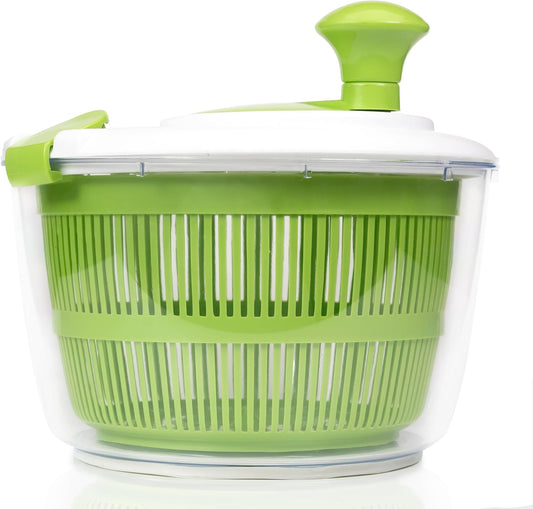
Paper towels and a clean kitchen towel blot the leaves dry. You can dry delicate herbs in a BPA-free salad spinner with a gentle spin. Soft tools protect the leaves far better than bare hands.
These tools cost little and hold up for years. You skip harsh scrubbers that tear the tender leaves. Our table below shows the washing job for each tool.
|
TOOL |
WASHING JOB |
|
Wide bowl |
Holding cool water for a gentle bath |
|
Clean colander |
Draining herbs without pressing them |
|
Salad spinner |
Spinning off surface water with care |
|
Paper towel |
Blotting the last drops from leaves |
|
Clean kitchen towel |
Laying herbs out to air dry |
Soft cloths and cool water cover most of the work. With the tools ready, you start the 11-step wash. Each step keeps the leaves whole from rinse to storage.
The 11-Step Guide to Washing Fresh Herbs Without Bruising
Our guide to washing fresh herbs runs in 11 gentle steps. These steps run from the first rinse to safe storage. Each one protects the leaves at a different stage.
Some steps cover tender herbs like basil and cilantro. Others handle woody herbs like rosemary and thyme. You follow the order that fits the herb in your hand.
We group the gentle rinse before the drying on purpose. Step one starts with the herb type in front of you.
1. Sort Tender Herbs From Woody Herbs
You sort tender herbs from woody ones before you wash. Tender herbs like basil and cilantro bruise with light pressure. Woody herbs like rosemary and thyme take a firmer rinse.
Soft leaves wash faster and dry in a single blot. Stiff sprigs hold more grit along their tight herb stems. Sorting first lets you match the method to the herb.
2. Rinse Under Cool Running Water
Cool running water lifts loose dirt off the leaves first. Cold water keeps the cells firm and slows the browning. You hold the bunch under a slow, steady stream.
Warm water softens tender leaves and speeds the wilting. Low flow protects the leaves from heavy water splashing. Running water alone clears most surface dust and grit.
3. Give Tender Herbs a Gentle Water Bath
Tender herbs clean best in a gentle cool water bath. You fill a clean bowl and swish the leaves once. Loose grit sinks to the bottom within a minute.
Swishing beats rubbing, which crushes the soft leaves. Short dips avoid soaking that waterlogs the tender herbs. Fresh basil and cilantro come clean in one quick bath.
4. Lift the Herbs Out to Leave Grit Behind
You lift the herbs out instead of pouring the bowl. Pouring tips the settled grit back onto the leaves. Your hands scoop the herbs from the top of the water.
Dirt stays at the bottom when you lift from above. One more bath helps when the water still looks cloudy. Clear water on the second dip means the herbs are clean.
5. Handle Leaves Gently With Your Fingertips
You handle the leaves with your fingertips, not your palm. Fingertips spread the pressure and spare the soft cells. Tight grips bruise basil and darken the cut edges.
You turn the bunch with care to reach each leaf. Rough rubbing tears the thin skin on cilantro leaves. Light hands keep the leaf whole and the color bright.
6. Rinse Woody Herbs a Little Firmer
Woody herbs take a firmer rinse than the tender ones. Rosemary and thyme hold grit in their tight clusters. You rub the stems with light pressure to free the dirt.
Stiff leaves handle a stronger stream without bruising. Sage leaves need a careful wipe on each fuzzy side. Woody stems rinse clean in under a minute each.
7. Spin or Shake Off the Surface Water
You spin or shake the herbs to drop the surface water. Salad spinners remove water with a slow, even spin. Too much speed bruises tender leaves against the basket.
You fill the basket half full so leaves have room. Light spins pull water off without crushing the leaves. Shaking a towel bundle works when you have no spinner.
8. Blot the Leaves Dry on a Towel
You blot the leaves dry on a clean kitchen towel. Excess moisture on leaves speeds up rot in storage. You press the towel down with a flat, soft hand.
You pat dry each leaf instead of wiping it hard. Paper towels blot excess water from the parsley stems. Dry leaves store longer and chop without sticking together.
9. Air-Dry Woody Herbs a Bit Longer
Woody herbs need a few more minutes of air drying. Thicker stems hold water deep inside the woody core. You spread them on a dry towel for ten minutes.
Damp rosemary molds fast inside a closed container. Spinning helps, but air time finishes the woody sprigs. Dry herbs keep their oils and their green color.
10. Store the Clean Herbs the Right Way
You store clean herbs only after the leaves go dry. Tender herbs last longer upright in a jar of water. Loose leaves keep well in an airtight container in the fridge.
One paper towel in the box soaks up extra moisture. Refrigerator storage near 40°F slows wilting down. Good herb storage avoids the slime that damp leaves grow.
11. Use the Washed Herbs Before the Flavor Fades
Use washed herbs before the fresh herb flavor fades. Tender herbs hold their taste for about three days cold. Woody herbs can last a week or two in the fridge.
Chopping bruises leaves, so you cut herbs just before serving. Dried-out herbs lose both their color and their punch. Fresh-washed herbs lift a dish with bright, clean flavor.
Tender Herbs vs Woody Herbs: How Washing Differs
Tender herbs and woody herbs each take a different wash. Tender herbs have soft leaves and thin, snappable stems. Woody herbs grow stiff stems that hold grit much longer.
Soft herbs wash in a quick bath and a short blot. Stiff herbs take a firmer rinse and longer drying time. Our chart below sorts common herbs by their washing needs.
|
HERB TYPE |
COMMON EXAMPLES |
GENTLE WASHING APPROACH |
|
Tender herbs |
Basil, cilantro, parsley, mint |
Quick cool bath, light blot dry |
|
Soft-frond herbs |
Dill, chervil, tarragon |
Gentle swish, careful spin |
|
Woody herbs |
Rosemary, thyme, sage |
Firmer rinse, longer air drying |
Each herb type cleans best with the matching method above. Mixing the two in one wash bruises the soft leaves. Clean tools count as much as the gentle wash itself.
Keep Washed Herbs Food-Safe in the Kitchen
Food safety starts with a clean bowl and clean hands. Dirty tools spread cross-contamination onto the washed leaves. You wash your hands before you touch the clean herbs.
Raw meat juice on a board can taint nearby herbs. You keep herbs away from raw meat during prep. One separate cutting board protects the leaves from germs.
Cold storage near 40°F slows bacteria on the cut herbs. You toss any herbs that smell off or turn slimy. Small errors still spoil herbs even after a careful wash.
Common Mistakes When Washing Fresh Herbs
Common mistakes bruise herbs or leave grit behind on leaves. Most come from too much force or a skipped drying step. Our bullets below name the errors that ruin herbs most.
-
Blasting delicate leaves under a hard, hot tap.
-
Soaking tender herbs until they turn limp and waterlogged.
-
Rubbing leaves between your palms to scrub off dirt.
-
Storing damp herbs that grow slime within a day.
-
Washing herbs in a dirty bowl that spreads cross-contamination.
-
Chopping herbs long before you plan to serve them.
Each mistake shortens the life of a fresh herb bunch. Slowing down for the rinse and dry prevents most of them. New cooks often ask the same questions before their first wash.
Frequently Asked Questions (FAQs)
Cooks often ask the same things about washing delicate herbs. Each short answer below leads with the key step.
How do you wash fresh herbs without bruising them?
You rinse them under cool water and swish them in a bowl. Lifting them out and blotting dry keeps the leaves whole.
Should you wash fresh herbs before storing them?
You can wash herbs before storing if you dry them well. Damp leaves rot fast, so drying comes before any storage.
How do you wash basil without turning it black?
Cool water and a light touch keep basil from blackening. You skip warm water and hard rubbing on the soft leaves.
Can you soak fresh herbs in water?
Short baths work, but long soaking waterlogs the herbs. You lift them out within a minute to keep them firm.
Do you need produce wash for fresh herbs?
Cool water handles herbs fine without any produce wash. Plain rinsing removes most dirt and light surface residue.
How do you dry herbs after washing them?
You spin them light, then blot the leaves on a towel. Air drying woody herbs a bit longer finishes the job.
How do you keep washed herbs fresh in the fridge?
You store dry herbs in an airtight box near 40°F. One dry paper towel inside soaks up the extra moisture.
How do you wash cilantro and parsley safely?
You swish cilantro and parsley in a cool bowl of water. Lifting them out leaves the gritty sand at the bottom.
How do you wash mint without bruising it?
You dip mint in cool water and swish it one time. Mint bruises fast, so you skip all rubbing on the leaves.
Can you wash herbs a few days ahead?
You can wash herbs ahead if they dry well before storage. Dry, sealed herbs keep well in the fridge for days.
How do you remove sand from cilantro and dill?
You swish them in a bowl and lift them out by hand. Heavy sand settles at the bottom of the water.
Is cold or warm water better for washing herbs?
Cold water keeps herb leaves firm and slows the browning. Warm water softens tender leaves and speeds the wilting.
Washing Fresh Herbs the Gentle Way for Longer Life
Gentle handling is the key to washing fresh herbs well. You rinse cool and lift the grit out by hand. Light drying keeps the leaves whole for the cutting board.
Plenty of USA cooks waste herbs to bruising and slime. You match the wash to tender or woody herbs each time. Dry, sealed herbs then hold their flavor for days longer.
One gentle rinse and a careful dry protect every bunch. Most USA kitchens keep herbs fresher with this simple method. You wash once and store dry for brighter herbs later.