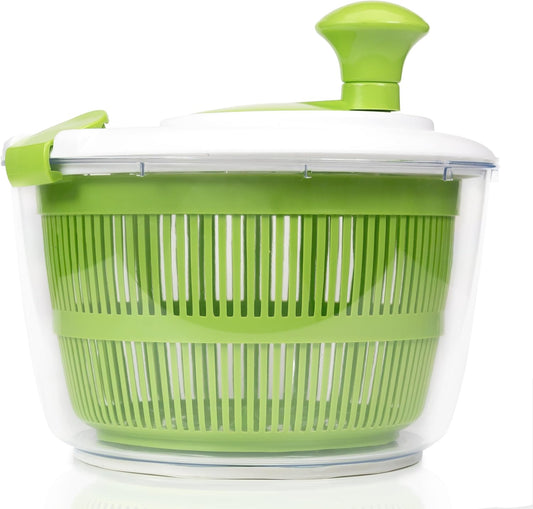
The Ultimate Guide to Choosing the Right Salad Spinner
A salad spinner doesn’t seem like a big deal. Just a simple kitchen tool that’s easy to overlook. But wet greens are a problem. Dressing slides off, flavors feel weak, and the whole salad loses its appeal. That’s when choosing the right salad spinner actually starts to matter.
A good spinner dries leaves properly, so the dressing sticks and every bite tastes better. The texture stays crisp, not soggy. It also helps your greens last longer. Dry lettuce holds up in the fridge for days, which means less waste and fewer trips to the store.
And it cleans better too. Spinning removes dirt that soaking often leaves behind. Small tool. Big difference in everyday meals.
What Is a Salad Spinner? Mechanism Types Explained
Not all devices work the same way. When looking for a salad spinner for leafy greens, the mechanism you choose affects how much effort it takes to get results. Some use springs, others use gears or cords. Understanding these differences helps you pick the right one.
Push-Pump Mechanism (Most Common)
If you want an easy-to-use salad spinner, this is the most popular option. You press a button or pump on the lid, and a spring system spins the basket. It’s easy to use with one hand, and most models include a brake to stop quickly. This gives you better control and helps protect delicate greens.
It’s a great choice if you want something simple and low-effort. Many models also lock flat for easy storage.
Rotary Crank (Traditional Style)
This design uses a handle you turn to spin the basket. It gives you full control over the speed. You can spin it fast for sturdy greens or slow for delicate ones.
These models are durable and tend to last longer because they have fewer parts. They usually require both hands, but are reliable and easy to use.
Pull-Cord Style (Fast and Powerful)
This type works like a pull cord on a lawnmower. One quick pull creates a fast spin. It dries greens quickly with just a few pulls.
However, the cord can wear out over time, and if it breaks, the lid may stop working. It’s efficient but can be a bit noisy.
Lever or Toggle System
Some newer models use a back-and-forth lever instead of spinning or pulling. They are compact, easy to store, and comfortable to use.
The motion is gentle on your hands and still provides good spinning power. These are less common but a good option for small kitchens.
Key Factors to Evaluate Before Purchasing
Buying a spinner is an investment in your daily meals. You want to look at the build quality and the size before you tap your credit card. Check the materials first to ensure they are food-safe.
| Feature | Importance | What to Look For |
| Capacity | High | 5-quart for families, 2-quart for singles. |
| Material | High | Heavy-duty BPA-free plastic or 18/10 stainless steel. |
| Base Grip | Medium | A full rubber ring on the bottom. |
| Brake | High | A dedicated button to stop the spin. |
| Lid Design | Medium | Flat lids for easy fridge stacking. |
Capacity and Footprint
Size matters in the kitchen. If you buy a spinner that is too small, you will have to spin in batches. That takes forever. A standard 5-quart model is often considered the best salad spinner for large families because it can hold a whole head of lettuce easily.
But if you live alone, a 5-quart bowl is a monster to store. It will eat your cabinet space. Look for a 2-quart "mini" version for small salads or fresh herbs. Remember, the basket needs some empty space to let the water fly out. Never pack the greens in too tight. If the leaves are crushed against the sides, they won't dry.
Material Durability: BPA-Free Plastic vs. Stainless Steel
Most spinners are made of plastic. It is light and clear. Clear bowls are great because you can see the water collecting at the bottom. It gives you a sense of victory.
But if you want something that lasts a lifetime, go for stainless steel. These bowls are tough. They won't crack if you drop them. Plus, when you invest in a quality salad spinner with bowl aesthetics in mind, it can double as a beautiful piece for the dinner table.
You can spin your salad, take off the lid, and serve right from the metal bowl. It keeps the greens colder for longer, too. Some plastic bowls can absorb smells over time. Metal does not have this problem.
Stability and Non-Slip Bases
A spinner that dances across the counter is a nightmare. High speeds create vibration. If the base is just smooth plastic, it will slide away from you.
Check the bottom of the bowl. You want to see a thick rubber ring. Some cheap models only have four tiny rubber feet. Those feet can pop off and get lost.
A full ring provides a suction-like grip. It stays put even on wet granite counters. This makes the tool much safer to use. You won't have to chase your salad across the kitchen.
The Brake System
Speed is good, but control is better. A brake is a small button that presses against the spinning basket. Why do you need one? If you let the basket spin until it stops on its own, the greens might get damaged.
They hit the sides of the basket for too long. A brake lets you stop the action the second the water is gone. It keeps your spinach leaves whole and pretty. It also saves time. You don't have to wait thirty seconds for the motor to die down. Simply tap the button and move on with your meal prep.
10 Best Salad Spinner
Choosing the 10 best salad spinners can help you wash, dry, and prepare fresh greens faster. A good salad spinner removes excess water, keeps vegetables crisp, and makes healthy meal prep easier. From compact designs to large-capacity models, the right spinner saves time in every kitchen.
| # | Brand Name / Product | Product Model Number | Best For | Specifications |
|---|---|---|---|---|
| 1 | OXO Good Grips Salad Spinner | 32480 | Best overall home salad spinner |
|
| 2 | Cuisinart Salad Spinner | CTG-00-SSAS | Small kitchens and 1–2 person salads |
|
| 3 | Farberware Pro Pump Salad Spinner | 5264312 | Large family-size salads |
|
| 4 | DoubleWave | CSS-2 | Compact storage and small spaces |
|
| 5 | Zyliss Swift Dry Salad Spinner Large | E940005U | Fast drying and frequent salad prep |
|
| 6 | Westmark Spinderella Salad Spinner | 2430226B | Durable European-style manual spinning |
|
| 7 | Ourokhome 6.3 QT Salad Spinner | OUROK988T-01 | Large meal prep and family use |
|
| 8 | Calphalon Aero Stainless Steel Salad Spinner | 151164.01 | Premium stainless-steel bowl option |
|
| 9 | SUSTEAS Large Salad Spinner | LS-1082C | Multi-function salad prep |
|
| 10 | Amazon Basics Salad Spinner | SU01OSP1305 | Budget-friendly everyday use |
|
Design Features That Enhance User Experience
Little details make the difference between a tool you love and one you hide in the back of the pantry. Modern designs solve many of the old storage and cleaning headaches.
Storage-Friendly Lids
Old spinners had big, bulky lids. They were shaped like domes. You couldn't put anything on top of them in the fridge.
Modern designs focus on flat lids. The pump or handle often locks down flush with the surface. This is a huge win for small kitchens. It means you can stack another bowl on top of the spinner. Some lids even come with a second, airtight cover. This turns the spinning bowl into a long-term storage container. It saves you from washing extra Tupperware.
Double-Duty Bowls
A salad spinner is three tools in one. First, it is a washbasin. Second, the inner basket is a colander. Third, the outer bowl is a serving dish.
Look for a bowl with a clean, simple design. If the outer bowl has a lot of gears or tracks on the bottom, it looks like a machine. If it is smooth and elegant, it looks like a serving piece.
This means one less dish to wash after dinner. The inner basket should also have smooth feet. This lets it sit in the sink without touching the dirty drain. Keeping the basket elevated ensures better hygiene during the rinsing phase.
Ease of Disassembly and Cleaning
Salad spinners get gross if you don't clean the lid. Water and tiny leaf bits get stuck inside the gears. This can lead to mold.
And that is why you must check the lid. Does it come apart? Some lids have a "pop-off" plate on the bottom. This lets you scrub the inside. If the lid is sealed shut, stay away. You will never get it truly clean.
Every part should be dishwasher safe, but most experts say to hand-wash the clear plastic. High heat in the dishwasher can make plastic cloudy or brittle over time. A quick rinse with warm, soapy water is usually enough.
More Than Just Lettuce: 7 Creative Uses
Don't let this tool sit idle. It can do so much more than dry Romaine. You can use it for prepping almost any produce in your kitchen.
-
Washing Berries: Put strawberries or blueberries in the basket. Give them a gentle spin. It removes the water from the tiny pores. This keeps them from molding in the fridge. Your fruit will last twice as long.
-
Cleaning Leeks: Leeks are full of dirt. Slice them up and put them in the spinner bowl with water. Swish them around. The dirt falls to the bottom. Lift the basket, dump the water, and spin them dry. It’s faster than any other method.
-
Drying Fresh Herbs: Cilantro and parsley wilt the moment they get wet. A quick spin makes them fluffy and easy to chop. You won't end up with a green paste on your cutting board.
-
Removing Canned Tomato Seeds: If you need just the pulp of canned tomatoes, give them a whirl. The centrifugal force helps separate the excess liquid and seeds from the flesh. This is a pro-chef secret for better sauces.
-
Proofing Bread Dough: The clear outer bowl is a perfect spot for dough to rise. It is deep and keeps the air out. You can watch the dough double in size through the clear plastic. It creates a warm, draft-free microclimate.
-
Cleaning Beans and Legumes: Rinse your canned beans in the basket. Spin them to remove that slimy liquid. They will be ready for your chili or salad instantly. It removes that "canned" taste.
-
Washing Delicate Delicacies: Have you ever tried to dry hand-washed bras or silk ties? A salad spinner is a gentle way to remove water from small clothing items without wringing or stretching the fabric. It acts like a miniature, manual washing machine.
Care and Maintenance for Longevity
A spinner is a mechanical tool. If you take care of it, it will work for a decade. If you neglect it, the plastic will crack and the gears will grind. Proper storage is also key to preventing the spring from losing its tension.
The Do’s:
-
Rinse it immediately after use. Dried lettuce bits are hard to remove later.
-
Dry the lid upside down. This lets any water trapped in the gears drain out.
-
Use a soft sponge. Harsh scrubbers will scratch the clear plastic and make it look dull.
-
Check the rubber base for mold every few weeks.
The Don’ts:
-
Never store it with the pump locked down if the spring is wet. This can weaken the mechanism.
-
Avoid the bottom rack of the dishwasher. The heating element is too hot and can warp the bowl.
-
Don't overload it. Spinning too much weight can strip the plastic gears inside the lid.
-
Do not use it for boiling hot liquids. Most plastics are not rated for high heat.
Frequently Asked Questions (FAQs)
You might still have a few questions before you buy. Here are the answers to what most shoppers ask. We have gathered the most common concerns from home chefs.
Can I store my salad inside the spinner in the fridge?
Yes, you absolutely should. If you have a large salad spinner, the inner basket keeps your greens away from any moisture that pools at the bottom. This airflow prevents wilting. Just pop the whole thing in the fridge. It acts like a crisping drawer that actually works. Your kale stays very crunchy.
Is a stainless steel model worth the extra cost?
If you eat salad daily, then yes. Steel won't crack or absorb funky odors like cheap plastic can. Cold metal keeps leaves fresh while you serve. Plus, the bowl looks stunning on your table. You are buying a tool that truly lasts for many years.
How do I stop mold from growing in the lid?
Mold loves the moisture trapped in gears. Always take the lid apart after use. Rinse every piece and let them air dry completely before putting them back together. Store the lid upside down on your counter. This simple habit keeps your spinner clean and smelling fresh.
Can I use it for delicate berries without crushing them?
You can, but be gentle. Place your berries in the basket and use a slow, steady spin. Avoid high speeds that pin fruit against the sides. The centrifugal force pulls water out of the pores. This keeps your berries from rotting quickly in the fridge.
What should I do if the pump gets stuck?
Usually, a bit of grit or hard water is the culprit. Soak the lid in warm water mixed with white vinegar. This dissolves mineral buildup inside the gears. If it still won't budge, check for trapped leaf bits. Never force it, or you might snap.
Why is my salad spinner still leaving leaves wet?
You are probably overloading the basket. If you pack the leaves too tightly, water has nowhere to go. It just stays trapped in the middle. Try spinning in two smaller batches. Give the basket room to breathe. The air needs to move to work well.
Get The Right Salad Spinner for Your Kitchen
Choosing the right salad spinner for drying your favorite produce isn't complicated. But it is a bit personal. A large kitchen or family usually calls for a bigger model, while smaller spaces do better with something compact or collapsible. Simple choices, but they matter.
The real difference shows up in the details. Does it fit your cabinet without a struggle? Can it be used with one hand when you’re juggling other tasks? Is it easy to clean, or likely to sit in the sink? Small things, but they decide whether it gets used at all.
A good spinner changes everything. Crisp greens. Dressing that actually sticks. Less waste.
Pick one that fits your routine, and it won’t sit idle for long.