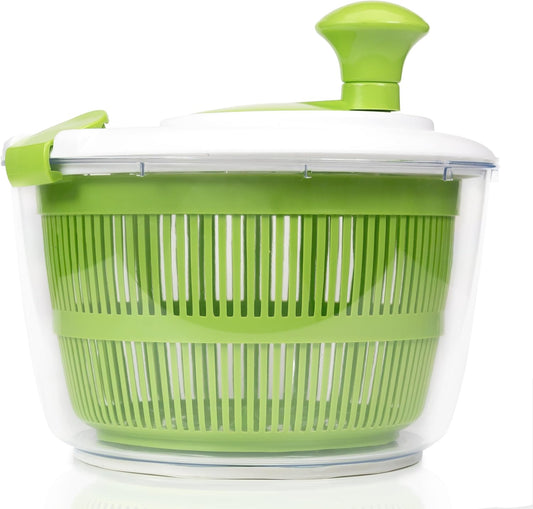
Salad Spinner Guide: Get Drier Greens Every Time
Updated on: 2026-07-09
A salad spinner can turn soggy greens into crisp, ready-to-serve salad in minutes. It helps remove excess water, so dressing clings better and leftovers don’t go watery. In this guide, you’ll learn how to use a salad spinner safely, avoid common mistakes, and keep it clean for everyday freshness. You’ll also see simple comparisons so you can choose the right option for your kitchen habits.
What a Salad Spinner Really Does
A salad spinner is basically a simple drying system for washed produce. You rinse your greens, put them in the basket, then spin the lid to shake off extra water. The result is drier lettuce, spinach, herbs, and even crunchy toppings like sliced cucumbers. That small change makes a noticeable difference when you’re assembling a bowl for lunch, serving guests, or packing a salad for later.
Here’s why people love it: excess water can dilute dressing and make everything slip around. When your greens are drier, you get better texture and less “pooling” at the bottom of the bowl. Plus, if you store greens after washing, removing water can help them stay fresher longer in a practical, everyday way.

Water droplets fall off greens; spinning motion lines
Common Challenges When Using a Salad Spinner
If you’ve ever tried spinning greens and ended up with a damp mess, you’re not alone. A few common issues show up in real kitchens. The good news is they’re easy to fix once you know what to look for.
Greens overflow the basket
This usually happens when the greens are too loose or piled too high. Try filling the basket more lightly. Think “layered,” not “stuffed.” If you have a big batch, spin in two smaller rounds. You’ll get drier results with less splashing.
The lid leaks or water drips everywhere
Leaky behavior often comes from improper sealing or an unbalanced load. Make sure the lid is fitted securely and double-check that the basket sits correctly in the base. Also, don’t load one side heavier than the other. A balanced basket spins more smoothly and keeps water where it belongs.
Herbs get smashed or bruised
Delicate herbs like cilantro and parsley can bruise if they’re overloaded or spun too aggressively. Give them a quick rinse, shake off loose droplets gently, and use a lighter spin. If your greens are very wet, a short first spin can remove the bulk of the water before a second, gentler spin.
It feels like too much work
Honestly, it’s only “extra” work if you treat it like a complicated tool. When you make it part of your routine, it becomes fast. Wash, load, spin, and move on. If you’re preparing meals for a week, it can save time because you’re doing the drying step once, right when you wash.
Step-by-Step: How to Spin Greens Without Making a Mess
Let’s walk through an easy approach you can repeat. This is the method that works well for most leafy greens and herbs.
1) Rinse thoroughly, then shake off
Rinse greens under cool water to remove grit. After rinsing, give the basket a light shake before you add the greens (or shake gently over the sink). It helps remove the heaviest droplets so the spinner works more efficiently.
2) Load in small, even amounts
Place greens in the basket in a loose layer. Avoid packing. If your basket is crammed, water can stay trapped between leaves and the load can become unbalanced.
3) Spin in short bursts
Instead of one long spin, try a couple of short spins. Check the greens after the first burst. This approach is especially helpful for herbs and mixed greens where you want good texture.
4) Remove greens carefully
Lift the lid and basket slowly. Let any remaining droplets fall back into the base before you pull the greens out. If you’re building a big salad, place the greens into a bowl or onto a clean surface lined with a towel.
5) Use for meal prep and quick refresh
A salad spinner isn’t only for fresh salads. You can use it to dry washed cucumbers, shredded cabbage, and sliced veggies for slaws. It’s also handy when you want to re-crisp greens that have been washed earlier.
If you’re also building a tidy snack-and-meal workflow, you might like pairing your greens prep with an organized food station. A simple helpful add-on is a food display stand to keep ready-to-assemble items visible and easy to grab.
Salad Spinner vs. Other Drying Methods
Not sure if a salad spinner is worth it? Let’s compare common options in a simple, everyday way. The best choice depends on how often you wash greens and how picky you want the texture to be.
| Method | What it’s best at | Trade-offs |
|---|---|---|
| Salad spinner | Fast drying with less mess; better dressing cling | Needs proper loading and sealing |
| Paper towels | Quick cleanup for small batches | Can be time-consuming; towels use add up |
| Drying rack or towel drying | Hands-off drying | Often slower; can lead to uneven dryness |
| Dishcloth press | Good for stubborn water pockets | Can bruise delicate leaves if pressed too hard |
For most households, a salad spinner hits the sweet spot: it’s quick, repeatable, and friendly to busy schedules. If you’re prepping ahead for school lunches or family dinners, that consistency really helps.

Clean parts and drip icons show maintenance basics
Cleaning and Maintenance That Keep It Working Well
Like any kitchen tool, your salad spinner works best when you keep it clean. The good part? Maintenance is simple and quick when you do it regularly.
Rinse right after use
After spinning, rinse the basket and lid with warm water. If there’s leafy debris stuck in corners, a quick rinse can prevent buildup. Let parts drain fully before reassembling.
Clean the base and seals gently
Many spinners have a base area where water collects. Wipe it clean and dry it so it doesn’t smell “stale.” If your model has a seal or gasket, handle it gently and avoid aggressive scrubbing that can damage edges.
Use a soft brush for tight spots
A soft brush helps remove clingy bits from the basket’s holes or edges. You can also use a gentle sponge. For extra ease, if you enjoy keeping kitchen tools refreshed, an electric scrubber can reduce the effort for everyday grime. If that’s your style, consider exploring an option like a cordless electric spin scrubber for other cleaning tasks around the kitchen.
Let it dry completely before storing
Air-drying matters. Leaving parts damp in a closed cabinet can lead to lingering odors. If you have a drying rack, let the spinner components sit there until they’re fully dry.
Sanitize when you’re prepping frequently
If you wash and prep often, do a deeper clean occasionally. Use mild soap and water, and make sure everything is rinsed well. Then dry completely.
While we’re talking about kitchen organization, you might also like pairing your fresh-food routine with tools that help keep the rest of the workflow smooth. For example, if you’re reheating sides, a microwave plate stacker can help you manage space and reduce mess when you’re juggling multiple servings.
Summary & Recommendations
A salad spinner is one of those simple tools that quietly upgrades your everyday cooking. It helps remove excess water from greens, which can improve dressing coverage and keep textures nicer. When you use it in small, balanced loads and spin in short bursts, you’ll avoid the most common frustrations like dripping lids or bruised herbs.
If you’re deciding whether to buy one, think about your routine. If you wash leafy greens often, prep meals for family, or like crisp salads, it’s a great fit. If you only wash a tiny amount occasionally, you might still benefit, but you can also start with smaller batches so the effort feels worth it.
To make your routine even easier, keep cleaning simple: rinse after use, clean the basket gently, and let everything dry fully before storing. And if you’re building a smoother kitchen workflow, pairing a spinner with other helpful tools can turn “weeknight prep” into a calmer process.
Q&A
How do I stop water from spraying when I spin?
Use a lighter load, make sure the lid is seated properly, and spin in short bursts. If the basket feels unbalanced, take out a little and redistribute the greens. Also, spin over the sink or over a mat so any splash is easy to wipe up.
Can I use a salad spinner for herbs and not ruin the leaves?
Yes. Rinse herbs, shake off large droplets first, and use gentle, shorter spins. Don’t pack the basket tightly, since crowded herbs bruise more easily. If needed, spin herbs in two smaller rounds for better results.
Do I really need to dry greens before tossing with dressing?
It depends on your preference, but drying helps most people. If greens are wet, dressing can become watery and cling less evenly. A quick spin removes excess water so dressing coats the leaves more consistently.
What’s the easiest way to clean a salad spinner?
Rinse the basket and lid right after use, wipe the base, and wash with mild soap and water when needed. Use a soft brush for the basket’s small holes, then let everything air-dry completely before storing.
How often should I do a deeper clean?
If you use the spinner frequently, do a deeper clean occasionally using mild soap and warm water. If you notice lingering odors or residue, increase the frequency. The key is preventing buildup so it stays fresh and ready for next time.
Can a salad spinner help with meal prep timing?
Absolutely. Washing and drying greens in one go means you’re not scrambling later when it’s time to assemble meals. It also makes it easier to store prepped greens without extra water, which can help your fridge-ready produce stay more pleasant.
About the Author
DoubleWave is an everyday living and kitchen organization specialist focused on making home routines simpler. We help families and busy households solve common mess, storage, and prep problems with practical, easy-to-use solutions. If you want a calmer kitchen workflow, we’re cheering for you. Keep it simple, keep it consistent, and let your tools do the heavy lifting.
Disclaimer: This article shares general home and kitchen tips for using a salad spinner. Always follow the instructions provided with your specific product, and use common sense to avoid splashes or injuries.