How to Prep Taco Night Toppings Ahead Without Ending Up With Watery Vegetables
The first sign of a good taco night is the smell. Warm spices drift from the pan while fresh lime waits beside a row of bright toppings. Everything looks crisp and ready for that first loud bite.
Then the tomato bowl starts to shine with juice. Water gathers under the lettuce and the shells lose their snap. A meal that looked perfect only minutes ago can feel tired before anyone sits down.
The secret is not faster chopping. It is knowing when each topping should meet the knife and when salt should enter the bowl.
This guide shows how to prep taco toppings ahead while keeping every color bright and every texture fresh. The full plan starts with the water hiding inside each vegetable.
The Fresh-Topping Rule
Better make-ahead taco toppings need a dry surface and a clean cut. Wet foods must also stay away from dry foods.
- Surface water + cut cells + early salt + trapped steam = watery toppings
- Full drying + separate storage + late seasoning = fresher toppings
Wash water often settles at the bottom of a box. Cut vegetables can release more juice as they sit. Warm taco meat creates a different problem. Its steam can soften lettuce and hard shells. So hot and cold toppings stay apart until final assembly. The reasons behind these rules make each prep choice clearer. The food science comes first.
Why Vegetables Get Watery
Fresh vegetables hold water inside their cells. Cutting breaks some of those cells and creates wet edges. More cut edges can mean more liquid in the container. This vegetable cell damage is easy to see in a tomato. Diced tomatoes soon leave juice on the board.
Surface water causes another issue. Lettuce leaves have folds that hold drops after a rinse. An airtight container traps those drops instead of letting them leave. Salt affects moisture control around a cut vegetable. In simple terms salt draws moisture toward the seasoned surface.
Lime juice belongs in pico de gallo and guacamole. Yet an early mix can soften some produce before dinner.
Condensation comes from a temperature change. Warm beans or meat release steam inside a closed box. The steam cools against the lid and falls back as water. The next chart matches each cause with a useful prep point. Timing turns each cause into action.
Taco Topping Prep Chart
Some toppings hold overnight. Others need same-day prep. Safe cold storage still comes first.
|
Taco topping |
Best prep point |
Storage method |
Finish before serving |
|
Cabbage |
Up to one day ahead |
Dry sealed box |
Add sauce or salt later |
|
Lettuce |
Earlier the same day |
Towel-lined container |
Toss and serve cold |
|
Onion |
Up to one day ahead |
Small separate box |
Drain well after any rinse |
|
Jalapeño |
Up to one day ahead |
Small sealed box |
Add with a clean spoon |
|
Cilantro |
Earlier the same day |
Dry towel-lined box |
Chop near serving time |
|
Tomatoes |
One to four hours ahead |
Shallow draining container |
Add salt near serving |
|
Cucumber |
A few hours ahead |
Remove part of the seed core |
Add dressing later |
|
Beans and corn |
Up to one day ahead |
Rinsed and well-drained box |
Serve after full chilling |
|
Avocado |
Close to serving |
Cover the cut surface |
Add lime after cutting |
|
Shredded cheese |
Up to one day ahead |
Dry sealed box |
Keep cold until needed |
|
Sour cream |
Keep in its pack |
Refrigerator storage |
Move to a small cold bowl |
Ripeness and cut size affect the result. A ripe tomato releases juice faster than a firm Roma tomato. Good timing starts with clean produce and a dry surface. Drying comes next.
Wash and Dry First
Clean produce can still turn watery when rinse water hides between leaves and stems. Dry surfaces help lettuce stay crisp and keep chopped herbs from forming wet clumps. A clean board and knife protect ready-to-eat foods. Separate tools keep raw meat away before the drying steps begin.
Lettuce and Cabbage
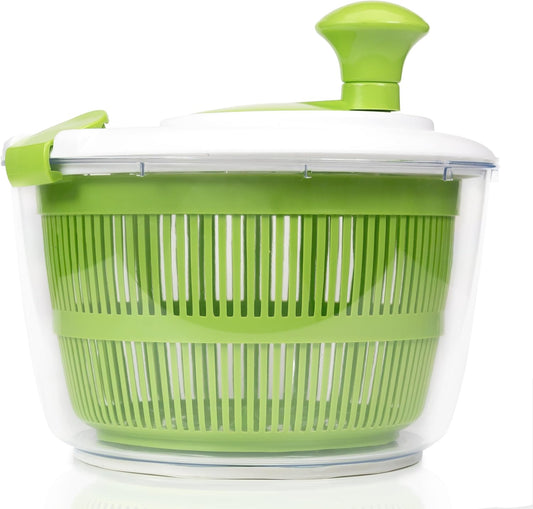
Whole leaves are easier to dry than tiny shreds. This order helps dry shredded lettuce stay crisp. A towel can blot the outer surface. A 5-liter salad spinner can remove hidden drops from a larger batch of taco greens.
Cabbage has a firmer texture than lettuce. It can handle an earlier shred in many taco night prep plans. Sauce and salt should still wait if crunch matters.
Cilantro and Jalapeños
Cilantro can hold grit near its stems. A rinse removes loose dirt while a gentle spin removes extra water. Dry sprigs often keep their shape better than wet chopped leaves.
Jalapeños need a clean and dry surface before slicing. Hands should stay away from the face after pepper prep. Each clean topping still needs the right cut and storage plan. Ingredient details follow.
Prep Every Topping Well
Each taco topping reacts differently after it meets the knife. Lettuce holds wash water between its leaves while tomatoes release juice from their cut cells.
Onions carry strong aromas and avocado changes color after air reaches its flesh. So the best prep time and storage method must match the ingredient.
Crisp Lettuce
Iceberg and romaine are common taco choices. Iceberg offers a firm crunch while romaine has a leafy bite. Fresh leaves with no slimy spots give the best start. A sharp knife makes a clean edge. Wide strips may hold better than fine shreds. A dry paper towel can catch drops inside meal prep containers.
Diced Tomatoes
Roma tomatoes often have firm flesh and less loose gel than large slicing types. The seed pockets can still release tomato juice. A spoon can remove tomato seeds and some wet gel.
A short rest in a strainer helps drain tomatoes. A shallow container protects the lower pieces from extra weight. Salt belongs near serving time. Early salt can pull out more liquid and leave watery diced tomatoes. That same rule helps prevent soggy tacos.
Pico de Gallo
Pico de gallo mixes several fresh taco toppings. Tomato brings juice while onion and cilantro bring flavor. Jalapeño adds heat. The vegetables can be cut early and kept cold. Salt and lime juice can join closer to dinner. This split keeps the mix brighter and limits liquid at the bottom.
Onions and Jalapeños
Chopped onions have a strong smell. A separate container stops that smell from moving into cheese or lettuce. A quick cold-water rinse can soften a sharp onion taste but the pieces need full draining. Sliced jalapeños also belong in their own small box. A small spoon keeps fingers away from shared food.
Cilantro
Fresh cilantro bruises with rough handling. Whole dry sprigs often keep better than tiny pieces. Chopping closer to serving keeps the leaves from packing into a wet clump. Dark and soft leaves should leave the bunch before storage. A light paper towel can help with small drops.
Cucumber and Cabbage
Cucumber has a moist seed core. A spoon can remove part of that core before slicing. Firm outer flesh then adds crunch with less loose water. Cabbage works well for a make-ahead cabbage slaw base. Dry shreds can wait in a cold box. Creamy sauce or lime dressing belongs in a second container until dinner.
Avocado and Guacamole
Cut avocado darkens after its flesh meets air. Lime can slow guacamole browning for a while. It cannot make a very early batch look fresh forever. A ripe avocado works best near serving time. A cover pressed close to the surface reduces air contact.
Beans Corn and Cheese
Canned black beans carry packing liquid. Canned corn may hold brine too. Both foods need a full drain before they join the taco topping station. Cooked corn must cool before cold holding. Warm kernels can create steam in a sealed container.
Shredded cheese needs a dry box because wet vegetables can make it clump. Sour cream and salsa also stay apart. Every topping now has its own method. The storage layout connects those separate methods into one system.
Separate Wet and Dry Foods
Chopped vegetable storage works best with two groups. Anyone who wants to prep taco toppings ahead can follow that split. Lettuce and cabbage belong in the dry group.
Cheese and hard shells belong there too. Tomatoes and salsa form part of the wet group. Guacamole and sour cream join them.
Separate containers stop tomato juice from reaching crisp lettuce. A divided box can work only when its walls block liquid. Loose dividers may let moisture move under them.
Shallow containers protect soft tomatoes from extra weight. They also help cooked food cool faster. Labels can show the topping name and prep date. Clear boxes make final assembly faster. Storage solves the space problem. A prep schedule now solves the time problem.
A Simple Prep Schedule
Some foods can wait overnight while softer produce needs a shorter window. This schedule spreads the work across four clear stages. Each stage protects texture and saves work during the final hour. It also keeps warm filling away from cold toppings until the table is ready.
The Night Before
Cooked taco meat can be made the night before. A shallow container helps it cool in the refrigerator. Extra cooked filling may suit freezer portions. A compact food vacuum sealer can remove air and reduce package bulk.
Delicate raw lettuce and tomatoes are poor matches because strong suction may crush them. Cheese and cabbage can also get early prep. Onions and jalapeños can join the schedule in separate boxes.
Earlier That Day
Lettuce can be washed and dried several hours before dinner. Cilantro can get the same care. Beans and canned corn can be rinsed and drained. Portion size can stay small for a family meal. A party may need extra cold refills.
One Hour Before Dinner
Firm tomatoes can be diced and drained. Cucumber can lose part of its wet seed core. Avocados can wait a little longer. An ice-filled tray can hold sour cream or salsa during a longer meal. Cold food stays separate from warm taco meat.
At Serving Time
Salt and lime can join pico de gallo near the meal. Guacamole can receive its final mix. Warm tortillas can rest under a clean cover. Hard shells stay in a dry place away from meat steam. The taco bar setup is now ready for hot and cold zones.
Split Hot and Cold Zones
Warm taco meat belongs in a heat-safe dish. Cold taco toppings belong on a different part of the table. Space between them limits steam and makes the food line easier to follow. Small bowls can hold the first round. Extra food can stay cold until a refill is needed.
Warm tortillas need light cover so they stay soft. Hard shells need dry air so they stay crisp. Sauces can sit near the end of the line because guests add them after the dry fillings. The serving plan protects texture. Safe temperature and clean handling protect the people at the table.
Taco Night Food Safety
Cold perishable food should stay at 40°F or below. The FoodSafety.gov food safety steps also stress clean hands and separate work areas. Raw meat juices should never touch fresh vegetables.
The two-hour rule applies to perishable food at room temperature. That time drops to one hour when the air is above 90°F. Small bowls and cold refills can reduce the amount of food that stays out.
Cooked meat needs the safe temperature listed for its type. Leftover filling should reach 165°F during reheating. A food thermometer gives a better answer than color alone.
Cross-contamination can happen through knives and boards too. Separate boards can handle raw meat and ready-to-eat vegetables. Safe habits fit the same prep flow. The most common errors show where that flow can break.
Common Prep Mistakes
Several small choices can create watery vegetables or unsafe food:
-
Lettuce enters storage while water still sits in its folds.
-
Salt joins tomatoes several hours before the meal.
-
Wet toppings share a box with shredded cheese.
-
Warm taco meat enters a sealed box too soon.
-
Guacamole gets made the night before.
-
Canned corn moves to a bowl with brine left inside.
-
Raw meat and fresh vegetables share one cutting board.
-
Cold toppings remain on the table all evening.
-
Hard shells sit close to steam from warm food.
Several errors can make the whole meal feel soggy. A real timeline shows how the better method works.
A 6 P.M. Taco Night
The taco meat gets cooked on the prior evening. Cheese and cabbage also enter marked boxes. Onion and jalapeño get separate boxes.
At noon the lettuce and cilantro get washed. A spinner removes excess moisture and towels finish small wet spots. The dry produce then moves into separate containers.
At 5 p.m. the tomatoes and cucumber get cut. Beans and corn get their final drain. Guacamole waits until about 5:30 p.m. Small serving bowls reach the table near 5:50 p.m. Seasoning and warm foods join the setup at 6 p.m. The schedule leaves little work for the last few minutes. It also protects crisp vegetables.
Popular Taco Prep Gadgets
Good tools can shorten taco night prep and protect topping texture. A spinner removes water while a chopper creates even pieces.
The five popular gadgets below handle wet foods and crisp foods. They also help with soft avocado and shredded cheese.
|
Gadget |
Main use |
Best features |
|
OXO Good Grips Large Salad Spinner |
Dries lettuce and cilantro after washing |
One-handed pump system; built-in brake; non-slip base; basket doubles as a colander |
|
Fullstar Pro Original Chopper |
Dices onions and jalapeños into even pieces |
Sharp stainless steel blades; two dice sizes; built-in catch container; dishwasher-safe parts |
|
DASH Safe Slice Mandoline |
Slices cabbage and cucumber |
Hands stay away from the blade; adjustable thickness; more than 30 cut options; folds for storage |
|
Microplane 4-Sided Box Grater |
Shreds cheese and cabbage |
Four blade styles; sharp stainless steel surface; soft handle; non-slip rubber feet |
|
OXO Good Grips 3-in-1 Avocado Slicer |
Cuts and pits avocado for taco toppings |
Smooth plastic cutter; twist pitter; even slicing fan; soft non-slip grip |
Frequently Asked Questions (FAQs)
These answers cover the small issues that often appear after the main prep. Each one connects timing with texture or food safety.
Can Lettuce Be Cut the Night Before?
Dry iceberg or romaine may hold overnight in a towel-lined box. Same-day cutting often gives a better crunch. Very fine shreds can soften faster because they have more cut edges.
Should Tomatoes Be Salted Before Storage?
Salt can draw juice from cut tomatoes. A later seasoning time keeps more liquid inside the pieces. Salt can join the bowl shortly before guests start to build tacos.
Can Toppings Share a Divided Box?
Dry toppings may share a box when the dividers seal well. Tomatoes and sauces need sections that cannot leak. Onion also benefits from its own area because its smell can spread.
How Does Chopped Cilantro Stay Fresh?
Cilantro keeps better when it enters storage clean and fully dry. Whole sprigs often hold up better than tiny pieces. A light towel can collect small drops inside the box.
How Long Can Toppings Sit Out?
Perishable toppings should not stay at room temperature for more than two hours. Hot weather above 90°F cuts that period to one hour. Small bowls make cold refills easy.
Can Raw Toppings Be Vacuum Sealed?
Firm foods may handle gentle vacuum storage. Soft lettuce and herbs can bruise or crush. Diced tomatoes may lose their shape too.
Get Taco Night Ready Early
A crisp taco bar starts long before the meat reaches the table. Dry lettuce and drained tomatoes protect each shell from extra water. Separate containers also keep onion odors away from cheese and fresh herbs.
A simple schedule can spread the work across the night before and the final hour. The salad spinner handles wet greens while the vacuum sealer can help with extra cooked filling. Small serving bowls keep cold toppings fresh until guests need more.
Better timing means less rushing at dinner. It also gives salt and lime less time to pull water from cut vegetables. Every topping arrives with its own color and texture.
The plan is easy to repeat for family meals or larger taco bars. Simple steps make it easier to prep taco toppings ahead.