How to Wash Romaine Lettuce and Remove Dirt Properly: 11 Simple Steps
You bite into a Caesar salad and crunch on sand. Grit hides deep in the romaine ribs near the base. That crunch is a sign that some grit was left behind.
Romaine looks clean, but dirt clings where the leaves curve. Soil and sand settle in the folds close to the stem. One quick splash under the tap may miss the dirt tucked between the leaves.
Shoppers across the USA deal with the same gritty bite. Once you know how to wash romaine lettuce, the grit lifts right out. Good methods pull the dirt out without wilting the leaves.
We look first at where the dirt collects on the head. What follows covers how to rinse and dry the leaves.
Why Romaine Traps Dirt Near the Base
Romaine traps dirt because its leaves grow tight around a core. Rain splashes soil up into the curved base of the head. Sand and grit then lodge in the ribs near the stem.
Romaine leaves overlap and hold grit deep in the folds. Each rib has a wide white channel that catches dirt. Outer leaves collect dirt as the lettuce grows in the field.
Most grit packs in low near the stem. Dirt can hide in the folds near the base. You give those folds extra attention during each rinse.
How Washing Romaine Lowers Foodborne Illness Risk
Washing romaine removes some dirt and germs that can cause illness. Leafy greens can carry germs that lead to foodborne illness. People often eat romaine raw, with no cooking step to kill germs.
Rinsing removes surface dirt and some germs from the leaves. Washing helps, but it cannot remove every germ. CDC guidance says a rinse never makes greens germ-free.
You wash whole or loose romaine before eating it. Romaine under a recall follows the recall notice, not a rinse. Good tools make that wash quick and thorough.
What You Need on Hand Before Washing Romaine
Four tools cover a clean romaine wash at home. One large bowl holds a cold water bath for the leaves. Your colander lets the water drain after each rinse.
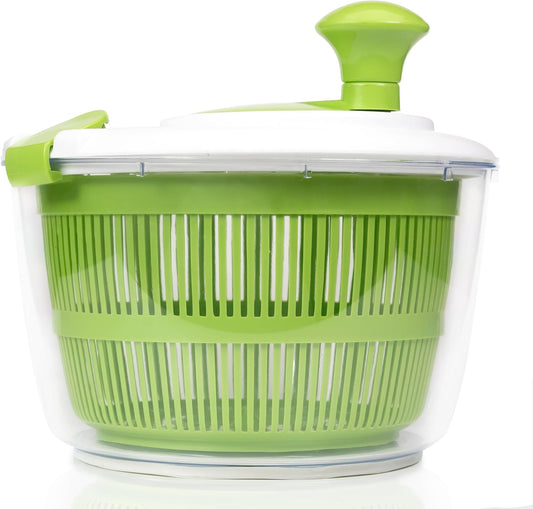
Clean leaves lose extra water in large capacity salad spinners after a rinse. One 5-liter spinner gives room for a big batch of leaves. Its drainage holes help pull water off the leaves.
Clean paper towels blot the last drops off each leaf. You clean the sink and counter before prepping the lettuce.
How to Wash Romaine Lettuce the Right Way
Our method for how to wash romaine lettuce runs in clear order. These steps show how you separate the leaves and rinse them. Drying and storing come at the end.
We begin with clean hands before a single leaf gets wet. Clean hands keep germs off the leaves you plan to eat.
1. Start With Clean Hands and a Clean Sink
Clean hands keep bacteria off the romaine from the start. You wash your hands with soap and water for 20 seconds or more.
Dirty sinks can pass germs onto the wet leaves. You work in a clean bowl instead of the bare sink. Raw-meat juice on a counter needs a real scrub first.
2. Read the Bag Label Before You Rinse
Bagged romaine marked triple-washed needs no second rinse. Those labels read washed or triple-washed, or ready-to-eat.
Washed or ready-to-eat bags need no rinse at home. You follow the package directions when the wording is unclear.
Organic bags split the same way, pre-washed or not. You rinse the organic ones that skip the washed wording.
3. Pull the Outer Leaves Off the Head
Outer leaves take the most field dirt and bruising. You pull off any leaf that looks damaged or wilted.
Clearing those leaves opens up the clean ones underneath. Slimy or spoiled leaves go straight in the bin. You trim a small bad spot off an otherwise fresh leaf.
4. Trim the Brown Base and Core
Trimming the stem end makes the leaves easier to pull apart. You slice about half an inch off the stem end.
You start cleaning romaine lettuce at the base near the folds. Grit wedges tight where the ribs meet the base. One clean knife cut frees enough base to loosen leaves.
5. Separate the Leaves One by One
Separate leaves let water reach both sides and the folds. You pull each leaf off and stack it in the bowl.
Water hits both sides when you wash lettuce leaves one by one. Packed heads block the rinse from the inner folds.
6. Rinse Each Leaf Under Cool Running Water
Cold tap water clears most loose dirt off each leaf. You hold each leaf beneath a thin, steady flow.
You rub both sides as you wash lettuce leaves under cool water. Cool water also keeps the leaves firm and crisp.
7. Rub the Ribs and Folds Near the Stem
Dirt and sand collect in the ribs and folds near the base. You run a thumb down each white rib to clear it.
Sand hides in the curved base long after a rinse. Fingers reach the spots the water alone misses. You loosen the grit with a soft rub, not a hard one.
8. Soak Dirty Leaves in a Bowl of Cool Water
Cold water baths loosen grit that rinsing leaves behind. You fill a clean bowl with cool water for the leaves. Light swishing loosens any grit left behind.
Dirt sinks to the bottom while the leaves float up. Very dirty leaves take a second bath in fresh water.
9. Lift and Rinse Again to Catch Leftover Grit
Lifting the leaves out keeps settled grit from returning. You scoop them from the top rather than dumping the water.
Pouring the whole bowl sends settled dirt back over the leaves. One more rinse clears any grit the bath missed. You look over each leaf for grit and rinse again if needed.
10. Dry the Leaves Before Serving or Storing
Dry leaves resist wilting and hold dressing far better. Knowing how to dry romaine keeps extra water off the leaves.
You spin the leaves in short bursts to shed the water. Extra moisture makes stored leaves spoil faster. You pat off leftover water with a clean paper towel.
11. Store the Clean Leaves to Keep Them Crisp
Dry leaves in a sealed container hold their crunch well. You roll them in a paper towel inside a container.
Cold storage at 40°F or below slows the wilting. You set the container in the crisper drawer or a cold shelf. Sliminess or a bad smell means the leaves have turned.
How to Wash Different Forms of Romaine
How you wash romaine depends on the form you buy. Whole heads hide more grit than chopped leaves do. Bagged romaine needs no rinse when the label says washed.
Hearts pack tighter and hold grit deep in the center. Loose chopped romaine rinses fast in a colander. This table shows how to wash romaine lettuce by form.
|
ROMAINE FORM |
BEST WASHING METHOD |
WHY |
|
Whole head |
Separate leaves, rinse, then soak |
Grit hides deep near the core |
|
Romaine hearts |
Split leaves, rinse each under water |
Tight leaves trap inner sand |
|
Chopped romaine |
Quick colander rinse and spin |
Cut pieces clean fast |
|
Bagged triple-washed |
No extra rinse when labeled washed |
Washed under controlled steps |
Each method matches how much dirt the form holds. Rinsing time drops with the cleaner forms. You read the label before deciding on another rinse.
What the Labels on Bagged Romaine Really Mean
Triple-washed labels mean the greens went through three rinses. Ready-to-eat on the bag means no home wash is needed. Pre-washed or ready-to-eat romaine needs no extra rinse at home.
You read the label first when cleaning romaine lettuce from a bag. FDA guidance clears washed or ready-to-eat bags from another rinse. Rinsing a washed bag can add germs from a dirty sink.
You trust the ready-to-eat line and skip the rinse. Unlabeled heads from the farm always get a full wash. Clean leaves only stay good with the right storage.
How Long Clean Romaine Stays Crisp in the Fridge
Clean romaine often stays crisp for a few days when dry. Extra water makes the leaves break down faster. Freshness and fridge temperature both shape how long leaves last.
Learning how to dry romaine keeps water out of the container. Whole leaves last longer than chopped ones in the fridge. This table sorts the forms by how long they hold.
|
ROMAINE STATE |
HOW LONG IT KEEPS |
STORAGE TIP |
|
Dry whole leaves |
Keeps longest |
Store in a clean container |
|
Dry chopped romaine |
Keeps a shorter time |
Store in a clean container |
|
Damp leaves |
Keeps the shortest |
Pat dry before you store |
|
Cut and dressed |
Eat it soon |
Serve right after mixing |
Each state lasts longer when the leaves start dry. One towel wrap soaks up the moisture that speeds rot. You toss any batch that turns slimy or smells off.
When to Wash Romaine and When to Skip It
You wash romaine right before you eat or chop it. Washing ahead works only with leaves dried well first. Damp leaves stored early break down faster.
Bagged romaine labeled ready-to-eat needs no rinse before serving. Whole heads from a farm stand get a wash each time. One rinse right before the meal keeps the leaves crisp.
You prep a big batch only when you dry it well. Well-dried leaves avoid the extra moisture inside the container. You may also wonder about pesticides on the leaves.
Does Washing Remove Pesticides From Romaine
Rinsing under running water cuts some surface pesticide on romaine. Washing cannot remove every bit of pesticide on the leaf. No home wash clears every trace of residue.
You rinse under running water and rub the leaves by hand. Soap and bleach leave their own residue, so both stay off. Peeling the outer leaves also drops the residue level.
Plain water does the job without any special spray. One rinse plus outer-leaf removal cuts some residue, not all. Some habits still trip up an otherwise good wash.
Mistakes That Leave Grit or Wilt on Romaine
Common mistakes leave grit on romaine or wilt the leaves. Most come from a rushed rinse or a wet storage box. These slips below are the ones to avoid.
-
Rinsing a whole head without splitting the leaves.
-
Skipping the ribs where most sand collects.
-
Using warm water that softens and wilts leaves.
-
Soaking the leaves so long they turn limp.
-
Storing the leaves while they are still wet.
-
Rubbing leaves hard enough to bruise the edges.
Each misstep either hides grit or shortens the shelf life. You focus on the ribs and dry the leaves before storage.
Frequently Asked Questions (FAQs)
Readers often ask common questions about washing romaine. Short answers to each come next.
Should you wash romaine lettuce?
Yes, loose and whole romaine needs a rinse before you eat it. Bagged romaine marked ready-to-eat can skip that step.
How do you get grit out of romaine?
Cold water and a rub along each rib remove the grit. Very dirty leaves get a swish and a second rinse.
Do you wash romaine before or after cutting?
Washing whole leaves before cutting stops dirt from reaching the cut edges. Chopped romaine rinses in a colander and dries before use.
Can you use soap on romaine lettuce?
No, the FDA advises against soap or produce wash on greens. Cold running water cleans romaine fine on its own.
How do you dry romaine without a spinner?
Clean towels pat romaine dry with no spinner on hand. You roll the leaves in a towel to soak up extra water.
How long does washed romaine last in the fridge?
Washed romaine kept dry lasts four to five days cold. Extra moisture shortens that, so dry the leaves before storage.
Is bagged romaine already clean?
Triple-washed bagged romaine is clean and ready to eat. Bags without a washed label still take a quick rinse.
Why is romaine still gritty after washing?
Grit stays when the rinse skips the ribs near the base. One swish and a second rinse clear the last sand.
Do you need to wash organic romaine?
Organic romaine still carries field dirt and surface germs. Cool running water and a rib rub clean it the same.
How do you wash a bag of chopped romaine?
Chopped romaine without a ready-to-eat label gets a colander rinse. One spinner or towel takes the extra water off before serving.
Does cold water beat warm water for romaine?
Cold water keeps romaine firm while it lifts the dirt. Warm water softens the leaf and dulls the crunch.
Washing Romaine for a Crisp, Grit-Free Salad
Knowing how to wash romaine lettuce lifts the grit from the folds. You split the leaves and rinse each rib by hand. Cold water and a careful dry keep every leaf crisp.
Plenty of USA kitchens toss romaine over a little sand. Some extra time on the folds saves the whole head. Clean ribs and dry leaves make the difference every time.
Most USA cooks can wash a head in under five minutes. One good wash turns a gritty salad into a crisp one.