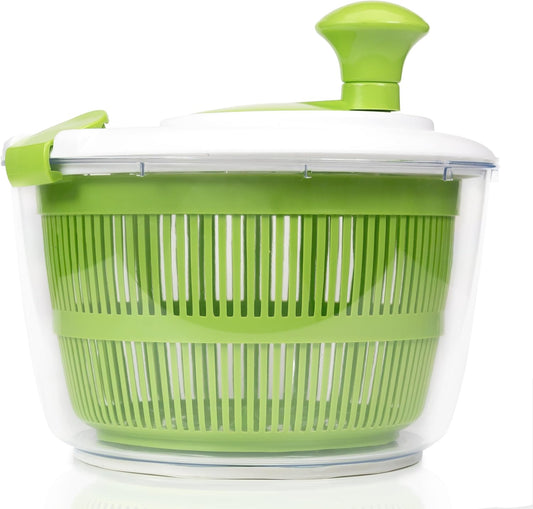
How to Use Salad Spinners for More Than Just Salad (Full Guide)
A salad spinner often sits in the cabinet, used only once in a while to dry lettuce. Then it goes right back on the shelf. Easy to forget, honestly.
But that simple tool can do a lot more than just handle leafy greens. With a few small changes, it becomes a handy part of everyday cooking.
Learning how to use salad spinners for more than just salad can save time and reduce mess in the kitchen. You can rinse herbs, wash berries, dry freshly cooked pasta, or even remove excess oil from fried foods.
It also helps crisp vegetables and clean grains quickly, without extra effort. Use it regularly, and it becomes one of those tools you didn’t realize you needed so often.
Why Use Salad Spinners for More Than Just Salad
Most home cooks treat the salad spinner like a one-hit wonder. But in a professional kitchen, space is money. Chefs love a multi-use salad spinner because it earns its spot on the shelf.
This tool is a strainer, a washing machine, and a storage container all in one. It is time to stop viewing it as a "lettuce dryer" and start seeing it as a productivity hub.
When you use a salad spinner, you are not just drying. You are protecting your food. Water is the enemy of flavor and freshness. If your vegetables are wet, your dressing will slide right off. If your berries stay damp, mold will move in by morning. This underrated tool stops that cycle of waste.
| Task | Traditional Method | Salad Spinner Method | Result |
| Drying Herbs | Patting with paper towels | 10-second spin | Completely dry, no bruising |
| Washing Leeks | Multiple bowls of water | Internal basket rinse and spin | All grit is removed instantly |
| Storing Greens | Plastic bag with air | Spinner bowl with lid | Stay crisp for 5+ days |
How Centrifugal Force Makes a Salad Spinner So Powerful for Cleaning and Drying
You don’t need a science degree to get why this tool works. It all comes down to centrifugal force. As the basket spins, water is pushed away from the center and pulled off your food. That same motion also helps clean more effectively, dislodging dirt, sand, and tiny debris that a simple soak might leave behind.
Removes Water and Debris More Effectively Than Hand Drying
Hand drying is a slow, clumsy process. You press down on delicate leaves and often crush them. Rapid spinning solves this by using air and motion. When the basket reaches high speed, the water has nowhere to go but out through the holes.
- Water Displacement: The speed creates enough force to break the surface tension of water droplets.
- Debris Ejection: Tiny particles of sand or dirt are heavier than water. The spin flings them into the outer bowl.
- Aeration: The motion pulls fresh air through the food, which helps with the final stage of drying.
Speed Impacts Dryness and Food Texture
Not every food needs the same level of intensity. A high-speed spinning session is great for hardy kale. However, it might ruin a soft raspberry. You have to match the speed to the texture.
- High Speed: Use this for kale, cabbage, and sturdy root vegetables. It ensures every drop of water is gone.
- Medium Speed: Best for romaine lettuce, spinach, and pasta.
- Low Speed/Pulse: Perfect for delicate berries, herbs, and soaked beans. This prevents bruising while still removing the bulk of the moisture.
- Can a Salad Spinner Really Save Time in Everyday Meal Prep?
Time is always short, and washing and drying vegetables can take around 20 minutes. A salad spinner cuts that down to just a couple of minutes, making meal prep faster and easier.
It also helps in cooking since drier food cooks more evenly. Using it regularly in your weekly prep can make everyday cooking feel simpler and more efficient.
Faster Washing and Drying for Weekly Cooking Prep
When you bring groceries home, don’t just shove them in the fridge. Use the salad spinner to prep in bulk. Wash all your broccoli at once. Spin your peppers and celery until they are bone dry. When your produce is clean and ready to go, you are more likely to eat it. This saves you from the "what's for dinner" panic on Wednesday night.
Reducing Paper Towels and Manual Drying Effort
We often use half a roll of paper towels just to dry one bunch of cilantro. That is a waste of money and a burden on the planet. The spinner eliminates the need for towels almost entirely. By reducing manual drying effort, you also save your hands from the constant dampness and chill of cold water. Here’s the yearly savings you can achieve:
- Paper Towels: Save approximately $60 per year.
- Time: Save roughly 50 hours of prep time.
- Food Waste: Reduce produce spoilage by 30%.
How to Use a Salad Spinner for Better Produce Preparation
Better preparation leads to better flavor. Many people think they don’t like certain vegetables because they turn out “mushy,” but the real issue is often excess water from poor drying.
A salad spinner helps remove that extra moisture and gives you better control over texture. It turns produce prep from a messy chore into a simple, precise step.
This matters even more with tricky ingredients like gritty leeks or delicate blackberries. The way you handle them makes all the difference.
Cleaning Dense Vegetables Like Broccoli, Cauliflower, and Leeks
Dense vegetables have a thousand tiny hiding spots for dirt. You can't just rinse them under a tap.
- Chop: Cut your broccoli or cauliflower into bite-sized florets.
- Soak: Fill the spinner bowl with cold water and add the basket of veggies. Let it sit for 2 minutes to loosen the dirt.
- Agitate: Lift the basket up and down a few times.
- Spin: Empty the bowl and spin on high. You will be shocked at the dirt left at the bottom.
Removing Hidden Dirt from Crinkled or Layered Vegetables
Kale and Swiss chard are famous for holding onto sand. The crinkled leaves act like little pockets. To get them truly clean, you need the centrifugal force to pull the water through those folds. If you don't, your healthy dinner will have a gritty, unpleasant crunch.
Washing and Drying Delicate Berries Without Bruising
Berries are expensive and fragile. If you wash them under a heavy stream of water, they break. Instead, place them in the spinner basket. Submerge the basket in a bowl of water and gently swirl with your hand. Lift it out, dump the water, and give it one very slow, gentle spin. This removes enough water to prevent mold without damaging the fruit.
Keeping Fresh Herbs Crisp, Dry, and Flavor-Ready for Longer Storage
Herbs die quickly because of moisture and oxygen. To keep them fresh, follow this checklist:
- Wash in the spinner using the soaking method.
- Spin until completely dry.
- Wrap the dry herbs in a single, dry paper towel.
- Place inside the spinner bowl and seal the lid.
- Store in the fridge. They will stay fresh for up to two weeks.
How to Remove Excess Moisture from Vegetables for Better Cooking Results
Water is the enemy of the Maillard reaction. That is the scientific name for the delicious browning that happens when you sear food. If there is water on your zucchini or eggplant, it won't brown. It will steam. Steamed vegetables are grey and limp. Browned vegetables are sweet and savory.
You must remove excess moisture if you want your home cooking to taste like restaurant food. The salad spinner is the fastest way to get there.
Drying Zucchini, Eggplant, and Other High-Water Vegetables
Zucchini and eggplant are like sponges. After you slice them, salt them to draw out the water. Wait ten minutes. Then, put them in the spinner.
- Traditional Method: Patting them leaves the interior saturated.
- Spinner Method: The force pulls water from the porous center of the slices.
Improving Texture for Roasting, Grilling, and Sautéing
If you want better roasting results, your veggies must be bone dry before the oil touches them. Oil and water don't mix.
If your vegetables are damp, the oil will slide off and pool at the bottom of the pan. If they are dry, the oil sticks, the seasoning stays put, and the heat creates a perfect crust.
10 Best Salad Spinners for More Than Just Salad
The 10 best salad spinners do more than dry lettuce. They can rinse herbs, wash berries, drain pasta, remove excess water from vegetables, and prepare greens for meal prep. A quality spinner saves time, improves texture, and keeps ingredients fresher for longer.
| No | Brand Name | Model Number | Best For | Key Specifications |
|---|---|---|---|---|
| 1 | OXO Good Grips | 32480 | Best overall for greens, vegetables, fruit, and meal preparation |
|
| 2 | Cuisinart | CTG-00-SSAS | Best compact spinner for berries and fresh herbs |
|
| 3 | Zyliss | E940012 | Best pull-cord spinner for delicate produce |
|
| 4 | PrepWorks by Progressive | CSS-3 | Best space-saving spinner for small kitchens |
|
| 5 | Farberware | 5264312 | Best large-capacity option for families and batch preparation |
|
| 6 | Joseph Joseph | 20185 | Best in-sink spinner and pasta colander |
|
| 7 | Gourmia | GSA9240 | Best manual crank spinner for everyday produce washing |
|
| 8 | SveBake | W002 | Best stainless-steel multipurpose spinner |
|
| 9 | BINO | 12148-DGY | Best small spinner for singles, couples, and microgreens |
|
| 10 | Westmark | 2432220 | Best simple crank spinner with controlled pouring |
|
Benefits Of Using a Salad Spinner to Improve Main Dishes and Sides
A salad spinner isn’t just for greens. It can improve main dishes and side recipes by controlling moisture, which is often the real reason home cooking feels “off.”
1. Extra-crispy fries, hash browns, and shredded potatoes
Great fries start with dry potatoes. After soaking them in cold water to remove starch, use the spinner to dry them thoroughly. Less water means less splattering oil and much crispier results.
2. Better pasta salad texture
Pasta holds onto water even after draining. If that water stays, it thins your dressing over time. Spinning cooked pasta removes extra moisture so the sauce stays thick and flavorful.
3. Cleaner tomato prep for salsa and bruschetta
Chopped tomatoes release a lot of watery juice and seeds. A quick spin helps separate the excess liquid, leaving firmer pieces that don’t water down your dish.
4. Faster shrimp prep for cooking
Frozen shrimp often carry a lot of ice and water. After thawing, spinning them dry helps them sear properly instead of steaming in the pan.
5. Better breading on chicken and fish
Moisture is the enemy of crispy coating. Drying meat well helps flour and breadcrumbs stick better, so the coating stays on during cooking.
6. Removing excess oil from fried foods
For light fried foods like tempura, a very short spin can remove extra oil before it soaks in, keeping them crisp. This should be done carefully and only with sturdy foods.
A salad spinner may seem simple, but controlling moisture is one of the biggest upgrades you can make in everyday cooking.
Unexpected Salad Spinner Hacks You Can Do For Your Kitchen
Sometimes, exploring alternative uses for common kitchen gadgets is the easiest way to save space and money. A large-capacity salad spinner proves its worth every time you need to rinse beans or mix dressings without the mess. It transforms simple chores into quick, satisfying wins. Most people keep their tools in boxes, but you will keep yours on the counter.
Soaking and Rinsing Dried Beans More Efficiently
Cooking dried beans requires a lot of rinsing.
- Put the beans in the basket.
- Fill the bowl and let them soak.
- Lift the basket to drain the dirty water.
- Spin to remove any final debris.
It is much cleaner than trying to pour beans out of a pot without losing half of them down the sink.
Mixing Salad Dressings Evenly Without Extra Bowls
You can emulsify a dressing right in the bowl. If you have your greens in the basket, add your oil and vinegar to the outer bowl first. The motion of the basket spinning creates an air current that helps mix salad dressing evenly as it coats the leaves. It is a one-bowl wonder.
Using the Bowl as a Mini Storage or Food Prep Container
The outer bowl is usually made of high-quality, BPA-free plastic. Use it! It is a great bowl for mixing dough or holding scraps while you chop. Because it comes with a lid, it is also a perfect food prep container for the fridge.
Can a Salad Spinner Be Used for Non-Food Purposes?
Step out of the kitchen for a moment. The same centrifugal force that dries your kale can help with your chores. These non-food purposes are perfect for apartment dwellers or people who want to care for their belongings without a trip to the dry cleaner.
Washing Delicate Fabrics Like Lingerie Safely
Your washing machine is too rough for lace and silk. But hand washing in a sink is messy. A salad spinner is essentially a manual "delicate cycle."
- Fill the bowl with lukewarm water and a drop of wool wash.
- Place your items in the basket.
- Spin slowly to move the soapy water through the fabric.
-
Rinse and spin again to dry.
This is the best way to wash delicate lingerie safely without stretching the fibers.
Frequently Asked Questions
You might still have a few worries. Is it safe? Is it worth the space? Let’s answer those frequently asked questions about your new favorite tool.
How do you deep clean a salad spinner after using raw meat?
Scrub every part with hot, soapy water first. Then, soak it in a diluted bleach solution for a few minutes. This ensures you are properly cleaning the salad spinner of meat residue. Most models are top-rack dishwasher safe. Always air-dry completely before you store it away.
What size salad spinner is best for multi-purpose cooking?
You should choose a five-quart model or larger. A bigger bowl gives you more room for bulk veggies or laundry tasks. Small ones are cute, but they limit your options. When deciding which size salad spinner to buy, always go big for maximum kitchen versatility.
Can you safely wash small toys in a salad spinner?
Yes, this is a brilliant time-saver for parents. Place plastic blocks or bath toys in the basket with warm, soapy water. Spin them to scrub away the grime. It is the fastest way to clean toys without losing small pieces down the drain right now.
Is it safe to use the same spinner for food and laundry tasks?
You can, but it is not ideal. Cross-contamination is a real risk if you use heavy detergents. If you want to use a salad spinner for more than just salad, buy two. Keep one in the laundry and one in your main kitchen cupboard area.
Does a salad spinner fully dry food or just remove water?
It removes surface moisture, which is what matters for cooking. It won't make items bone-dry like a clothes dryer. But it does remove excess water from vegetables effectively. This allows your oils and dressings to stick perfectly. It is a total game-changer for food texture.
How often should you replace a salad spinner?
Replace it if the plastic cracks or the gears start to slip. A good one should last five years. Check the cord or handle for wear often. If it stops spinning fast, you are losing the centrifugal force needed to get your produce truly dry.
Unlock the Full Potential of Your Salad Spinner in Everyday Life
Most people use a salad spinner once in a while for lettuce, then it goes right back into the cabinet. It feels like a single-purpose tool.
Understanding how to use salad spinners for more than just salad helps you see how useful it can be beyond just washing greens. It is really just a fast way to remove water, and that makes it useful in more everyday situations than most people realize.
You can use it to dry berries so they don’t turn mushy, spin herbs so they stay fresh longer, or drain excess water from washed vegetables. Some even use it for small pasta batches or delicate hand-washed items that need gentle drying.
Once you start using it this way, it stops feeling like a niche gadget and starts becoming a simple shortcut you actually reach for.