How to Dry Lettuce Without Paper Towels: 5 Practical Methods
You wash a big bowl of lettuce and the dressing slides right off. Those leaves are still soaked, so the salad goes watery in minutes. Paper towels feel wasteful, and you may be out of them anyway.
Wet lettuce dilutes dressing and leaves a puddle at the bottom of the bowl. One quick shake over the sink never gets the leaves dry enough. So you can dry your greens without a single paper towel.
Learning how to dry lettuce without paper towels saves money and mess. Home cooks in the USA want crisp salads without the extra trash. These five methods use tools you already own or a clean cloth.
We start with why wet leaves ruin a good salad. Once that clicks, the drying methods make a lot more sense.
Why Wet Lettuce Ruins a Fresh Salad
Wet lettuce ruins a salad because water keeps the dressing from sticking. Oil-based dressing slides off a soaked leaf and pools at the bottom. Your salad tastes bland while the dressing wastes away in the bowl.
Extra water also speeds up sliminess once the leaves hit the fridge. Damp greens bruise faster and lose their crunch within a day. Dry leaves stay crisp far longer than damp ones do.
Dry leaves also hold the dressing that a wet one wastes. Soggy dinners teach that lesson quickly. Good drying starts with clean tools and a clean work surface.
What Clean Tools You Need for Paper-Free Drying
You can learn how to dry lettuce without paper towels with a clean cloth. Lint-free cotton towels work best when kept for food only. Flour-sack towels help because they carry almost no lint.
One clean pillowcase handles a big batch when a towel runs small. Colanders and wire racks cover the no-towel methods. Every piece here is cheap and holds up for years.
Any towel used for dishes can carry grease onto clean leaves. So the drying towel gets a hot wash and stays for food only.
5 Ways to Dry Lettuce Without a Paper Towel
These five methods for drying lettuce without paper towels fit any kitchen. Some need a tool, while others use only a clean towel. You pick the method based on your batch size and time.
We begin with the fastest option for a weeknight salad. One salad spinner clears the most water in the least time.
1. Spin It in a Salad Spinner
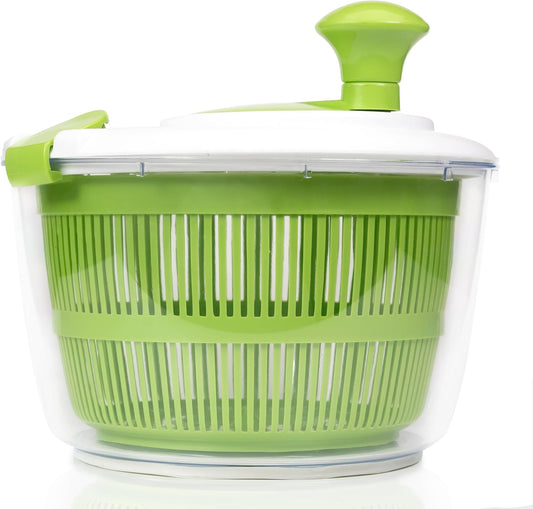
Salad spinners remove water from lettuce with a fast spin. The inner basket throws the water against the outer bowl. Three or four hard cranks clear most of the water in seconds.
Two or three short spins dry a full head. These reusable BPA-free salad spinners cut the paper-towel waste. Models with drainage holes let the water out while they spin.
One spinner handles small bowls and big batches without a mess. Spinners dry lettuce fast on a busy night. Plain towels do the same job without the gadget.
2. Swing It in a Clean Kitchen Towel
Clean towels dry lettuce well when you swing them outside. That spinning motion throws the water off the leaves by force. No tool is needed beyond one dry cotton towel.
You pile the washed leaves in the towel center and gather the corners. Then you swing the bundle in big circles over the grass. This trick helps you dry lettuce fast without any tool.
Outside works best because the water sprays a few feet away. One hard swing for ten seconds drives off most of the water. Towels also suit the no-spinner crowd on a tight budget.
3. Roll the Leaves in a Towel
Rolling leaves in a towel pulls the water out through the cloth. Cotton soaks up the surface water as you press down. This method stays gentle on soft, easy-to-bruise leaves.
You lay the leaves flat on a dry towel in one layer. Then you roll it up loosely and press along the roll. This gentle method helps you remove water from lettuce without bruising.
Rolling suits soft leaves like butter lettuce and young spinach. One damp towel still beats a soaked leaf in the bowl. Rolling takes a while, so a colander speeds things up next.
4. Shake and Air It in a Colander
Colanders drain water through their holes as you shake them. Those holes let the water fall away while the leaves stay in. Most kitchens already have a colander on hand.
You add washed leaves and shake the colander over the sink. Then you let it rest on a rack for a few minutes. Shaking helps with drying salad greens in one quick batch.
Air moving through the holes finishes the drying on its own. This method leaves the least mess on your counter. Colanders work fast, but air drying wins for delicate greens.
5. Air-Dry on a Wire Rack
Air drying on a wire rack dries leaves with no contact damage. Fresh air flows above and below the leaves on the rack. Nothing presses the leaves, so they never bruise.
You spread washed leaves in one layer over the rack. Then you leave them for fifteen to twenty minutes. One baking sheet under the rack catches the dripping water.
Air drying suits the most delicate leaves that bruise under pressure. Turning the leaves once helps both sides dry evenly. Each method has trade-offs, so a quick comparison helps.
How to Dry a Big Batch of Lettuce for Meal Prep
Big batches dry best with a pillowcase and a hard swing. One pillowcase holds three or four heads of loose leaves. You swing it outside so the water sprays far from the food.
You split a huge batch into two swings for even drying. Packed cases trap water against the inner leaves. Smaller loads dry faster and leave fewer wet spots.
Meal-prep cooks dry on Sunday for a week of salads. Dry leaves last longer in the fridge than damp ones. Each method has a sweet spot, so a side-by-side helps.
Which Drying Method Fits Your Kitchen Best
Your best drying method depends on your tools and batch size. Spinners win on speed, while towels win on cost. Air drying wins for soft leaves that bruise with handling.
Mess and speed both shift with each method you try. Soft leaves do best with the gentlest option on the list. The chart below lines up each method by these traits.
|
METHOD |
SPEED |
TOOLS NEEDED |
BEST FOR |
|
Salad spinner |
Fast |
Spinner |
Any batch, least mess |
|
Towel swing |
Fast |
Clean towel |
No-spinner kitchens |
|
Towel roll |
Slow |
Clean towel |
Soft, delicate leaves |
|
Colander shake |
Medium |
Colander |
Quick single batches |
|
Wire rack air-dry |
Slow |
Rack and sheet |
The most fragile greens |
Each row shows the trade-off between speed and leaf care. Clean towels cover most of these methods. They only stay safe when you keep them clean.
How to Keep Your Drying Towel Food-Safe
Food-safe towels stay clean and free of any grease. Soap or grease residue can smear onto washed leaves. So the lettuce towel never dries the dishes, too.
You wash the towel in hot water after every use. Lint-free cotton sheds no fuzz onto the wet leaves. Any towel that touched raw meat stays away from greens.
Clean hands and a wiped counter keep the leaves safe too. Dry leaves also need good storage to stay crisp.
How to Store Dried Lettuce So It Stays Crisp
Dried lettuce stays crisp in a loose container in the fridge. The leaves keep their crunch for days after the water is gone. Any trapped moisture turns them slimy within a day.
Sturdy leaves last longer than soft ones in cold storage. One loose wrap lets the leaves breathe without going limp. The chart below shows the fridge life for each leaf type.
|
LEAF TYPE |
FRIDGE LIFE |
STORAGE TIP |
|
Romaine and sturdy greens |
5-7 days |
Loose in a lined container |
|
Butter and soft leaves |
2-3 days |
Light wrap, no pressing |
|
Chopped lettuce |
2-3 days |
Vented box, kept dry |
|
Spinach and baby greens |
3-4 days |
Single layer, cloth under |
Each leaf type holds up longer when dried well first. One thin cotton cloth in the box adds extra dryness. This reusable setup also saves real money over time.
Why Paper-Free Drying Saves Money and Waste
Paper-free drying saves money because a cloth replaces a whole roll. One roll of paper towels dries maybe ten salads at most. One cotton towel dries thousands of batches over its life.
One set of flour-sack towels costs about eight dollars. Those towels outlast dozens of paper-towel rolls. Less paper waste also means fewer trips to the store.
Reusable tools cut both the trash and the grocery bill. One clean towel and a few minutes still beat any paper roll.
How to Tell When Your Lettuce Is Dry Enough
Lettuce is dry enough when no water drips from a shaken leaf. The surface should feel cool but not wet to the touch. Dressing then clings instead of sliding off into a puddle.
You tilt a handful of leaves and watch for any drops. Damp spots near the ribs are fine for eating right now. Those same spots need more drying before the leaves go in storage.
Over-drying is rare, so a bit more air time causes no harm. Leaves that squeak between your fingers are ready to dress. Some cooks skip the rush and let the fridge do the work.
Can You Dry Lettuce in the Fridge Overnight
Lettuce dries in the fridge overnight with no effort at all. Cold air pulls the surface water off the leaves as they chill. You set washed leaves in a colander over a bowl inside the fridge.
By morning, the leaves feel dry and stay crisp for days. One loose cloth over the colander stops the leaves from drying out. This slow method suits anyone who preps the night before.
Overnight drying frees up the counter during a busy evening. Fridge air works, but it takes far longer than a spin. Some simple slip-ups still spoil an easy dry, though.
Common Mistakes When Drying Lettuce Without Paper Towels
Common mistakes leave lettuce wet or bruised in storage. Most come from rushing or packing too many leaves at once. Below are the slips that keep leaves soggy.
-
Piling too many leaves into one towel or spinner.
-
Swinging a soft leaf hard enough to bruise it.
-
Drying with a towel that still smells of soap.
-
Packing damp leaves into a sealed container.
-
Skipping the air step that finishes delicate greens.
-
Reusing a dish towel that touched raw food.
Each slip either wets the salad or wilts the leaves. Smaller batches and a clean towel fix most of them. Beginners still have a couple of doubts about drying.
Frequently Asked Questions (FAQs)
Home cooks ask plenty of questions about drying lettuce. Below are short answers to each one.
How do you dry lettuce without a paper towel?
Clean towels and salad spinners both dry lettuce well. You spin or swing the leaves to shed the water.
How do you dry lettuce without a spinner?
Swinging the leaves in a clean towel dries them without a spinner. Ten seconds of hard swinging outside flings off most of the water.
Can you dry lettuce with a kitchen towel?
Yes, a clean kitchen towel dries lettuce by rolling or swinging. The cloth soaks up the surface water on each leaf.
Does lettuce need to be fully dry before storing?
Yes, dry leaves store far better than damp ones. Trapped water turns stored lettuce slimy within a day.
Can you dry romaine without paper towels?
Romaine dries well in a spinner or a swung towel. Its sturdy ribs handle a hard spin without bruising.
Is a pillowcase good for drying lettuce?
Yes, a clean cotton pillowcase dries a big batch at once. You fill it with leaves and swing it like a towel.
How do you keep lettuce crisp after washing?
Drying the leaves well keeps lettuce crisp after washing. Cold, loose storage holds the crunch for days.
What towel works best for drying washed greens?
Lint-free cotton or flour-sack towels work best for greens. Both shed little fuzz and soak up water well.
Why does a salad get watery even after washing?
Leftover rinse water on the leaves thins the dressing fast. Drying the leaves well stops the puddle at the bottom.
Can you dry herbs the same way as lettuce?
Yes, a gentle towel roll or a slow spin dries soft herbs. Hard swinging bruises delicate herb leaves, so go light.
How often should you wash a lettuce drying towel?
Wash it in hot water after every use. A fresh towel keeps grease and germs off the next batch.
Drying Lettuce Without the Paper Waste
Knowing how to dry lettuce without paper towels keeps salads crisp and waste low. You spin or swing the leaves, or just let them air-dry. One clean cotton towel covers almost every batch you make.
Plenty of USA kitchens skip paper towels and still dry greens well. You pick the method by the batch size and the leaf type. Dry leaves hold dressing and keep their crunch for days.
Most USA cooks own a towel or colander for these methods. Dry leaves go loose and cold into the fridge for the week. One good dry turns a soggy salad crisp again.