Essential Tool for Home Cook: Smart Kitchen Tools That Save Time
An Essential Tool for Home Cooks should make meals feel easier. It should help with food prep, storage, reheating, or cleanup. A busy kitchen can get messy fast. Greens wilt in the fridge. Leftovers get lost. Dinner feels harder after a long day.
Smart kitchen tools can fix those small pain points. They help with meal planning, family meals, and food storage hacks. They also help home cooks waste less food.
This guide breaks down the tools that earn their space. The goal is simple. A tool should solve a real meal problem.
What Makes a Kitchen Tool Essential?
A kitchen tool becomes useful when it gets used often. It should help with a task that shows up again and again. The best Essential Tool for Home Cooks does not sit in a drawer. It helps on busy nights. It also helps before and after the meal.
That can mean washing produce. It can mean packing freezer meals. It can mean reheating dinner for more than one person. A useful kitchen tool should save time. It should cut food waste. It should make home cooking feel less stressful.
The most helpful tools support the full meal flow. Food gets washed, prepped, stored, reheated, and served. That is why prep and storage tools matter so much.
Why Food Storage Tools Matter
Food storage is part of cooking. A meal does not end when the plates are full. Leftovers still need a place to go. Poor storage can waste good food. Air can dry out frozen meals. Wet greens can turn limp in the fridge.
Freezer burn can hurt food quality. It can make frozen food dry or icy. It can also change taste and texture. Food storage tools help solve that issue. They protect food after grocery shopping. They also protect food after cooking.
This can help the grocery budget. Bulk food can be split into smaller packs. Leftovers can stay easy to find. That brings us to the tools that help most.
9 Essential Tools for Home Cooks: Smart Picks for Daily Meals

The best kitchen tools should work as one simple system. They should help with prep, cooking, storage, reheating, and cleanup. These 9 tools cover the full meal flow. Food gets washed, cut, cooked, stored, reheated, and served with less stress.
1. Food Vacuum Sealer
A food vacuum sealer helps with storage and meal prep. It pulls air from food bags and creates an airtight pack. This helps with freezer meals, dry goods, bulk groceries, and leftovers.
Less air can help reduce freezer burn. It also helps flat packs stack better in the freezer. Home cooks can save space and keep food easier to find.
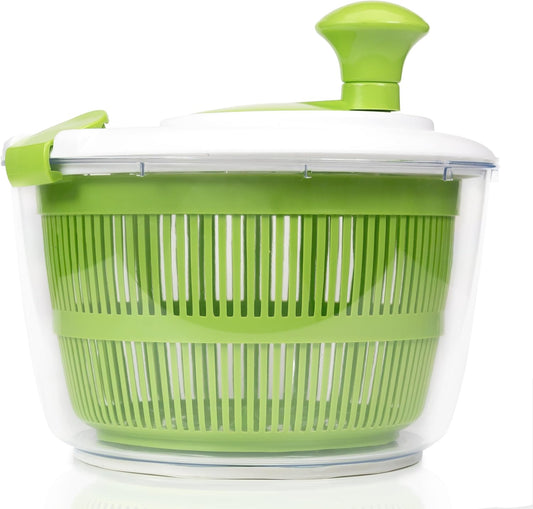
2. Salad Spinner
A salad spinner helps with fresh prep. It washes and dries greens, herbs, fruits, and vegetables before meals. Wet lettuce can make salads and wraps soggy. Dry greens hold dressing better and store better in the fridge.
This makes it useful for lunch prep, taco toppings, salad kits, and fast weeknight sides. It also helps fresh produce feel ready to use.
3. Microwave Plate Stacker
A microwave plate stacker helps with reheating. It lets more than one plate fit inside the microwave. This works well for leftovers and shared meals.
It also helps small kitchens save space. When people eat at different times, dinner can feel less rushed. This tool gives plates more room and helps warm food without crowding the counter.
4. Cutting Board
A cutting board gives food a clean prep space. It helps with fruits, vegetables, bread, and cooked food. A good board also protects the counter.
It keeps prep more organized before cooking starts. Home cooks may use it every day, so it earns its space. A few boards can also help keep raw food and ready food apart during meal prep.
5. Digital Food Thermometer
A digital food thermometer helps with food safety. It shows when meat, poultry, and reheated food have reached the right heat. This helps with dinners, leftovers, and batch cooking.
It also takes guesswork out of cooking. Food can stay juicy without being undercooked or overcooked. This tool is small, but it can help home cooks feel more sure during cooking.
6. Mixing Bowls
Mixing bowls help with salads, sauces, marinades, baking, and meal prep. They keep ingredients in one place. A few sizes can make cooking easier. Small bowls work for sauces and toppings. Large bowls work for salads, dough, and meal-size portions.
They also help with prep before cooking starts. Home cooks can group food by step and keep the counter less messy.
7. Sheet Pan
A sheet pan is one of the most useful tools in a home kitchen. It works for roasted vegetables, chicken, fish, toast, and freezer prep.
It also helps with batch cooking. One pan can hold a full dinner. That means less cleanup and fewer dishes. It can also work as a prep tray when food needs to stay grouped before cooking.
8. Cordless Serrated Knife
A cordless serrated knife helps slice bread and cooked meats. It can help with cooked turkey, cooked chicken, roasts, and soft baked foods.
This tool can make serving easier during shared meals. It fits best with cooked food and baked goods. Adults should handle and store it with care.
For home cooks, it can make slicing feel smoother during busy meals.
9. Air Fryer
An air fryer helps cook fast meals with less oil. It works well for vegetables, chicken, potatoes, and frozen snacks. It can help on busy nights when dinner needs to be simple.
It also gives food a crisp texture without using a full oven. Home cooks can use it for small meals, quick sides, and leftovers that need a better texture.
How These Kitchen Tools Work Together
Smart kitchen tools work best as a simple system. Each tool handles one part of the meal. The salad spinner helps with fresh produce. Greens, herbs, and fruit can get washed and dried.
The cutting board helps with prep. Food gets sliced, grouped, and ready for cooking. The sheet pan helps with batch cooking. Vegetables, chicken, and fish can be cooked in one place.
The vacuum sealer helps with storage. Meat, snacks, and freezer meals can go into flat packs. The plate stacker helps with reheating. Leftovers and lunch plates can move through the microwave with less wait.
This flow supports home cooking essentials. Food comes in from the store. It gets cleaned, cooked, packed, stored, reheated, and served.
Meal planning becomes easier with this flow. A home cook can plan meals around food that is ready to use. The next section makes each tool solve a common kitchen problem.
Best Tools by Kitchen Problem
Home cooks do not need every gadget. They need tools that solve real problems.
|
Kitchen Problem |
Best Tool |
Why It Helps |
|
Soggy greens |
Salad spinner |
Removes extra water |
|
Freezer burn |
Food vacuum sealer |
Reduces air exposure |
|
Bulk groceries |
Food vacuum sealer |
Packs smaller portions |
|
Crowded microwave |
Microwave plate stacker |
Adds heating space |
|
Weeknight leftovers |
Microwave plate stacker |
Helps reheat plates |
|
Messy prep |
Cutting board |
Gives food a clean prep spot |
|
Undercooked meat |
Digital food thermometer |
Shows safe cooking heat |
|
Salad and sauce prep |
Mixing bowls |
Keeps ingredients together |
|
Batch cooking |
Sheet pan |
Cooks more food at once |
|
Food waste |
Storage tools |
Keeps food easier to use |
This is the main rule. A tool should match the problem. An Essential Tool for Home Cooks should not add clutter. It should make one task faster or easier.
Next comes the budget benefit. Better tools can help families waste less food.
Why Smart Kitchen Tools Are Worth the Space

Good kitchen tools should do more than fill a drawer. They should help home cooks save money, save time, and save space during daily meals. These benefits matter most on busy days. When food is easier to prep, store, and reheat, home cooking feels less stressful.
Tools That Save Money
Kitchen tools can help food last long enough to get eaten. A vacuum sealer helps split bulk meat into smaller meal packs. A salad spinner helps clean greens get used before they wilt.
A plate stacker can make leftovers easier to reheat. A sheet pan can turn one batch of roasted food into dinner and lunch. Good meal planning can also mean fewer takeout nights.
Tools That Save Time
Home cooks need tools that cut small steps. A salad spinner can move greens from sink to bowl with less mess. A vacuum sealer can help freezer meals stay ready.
A plate stacker can warm more than one plate. A cutting board keeps prep in one place. Mixing bowls help ingredients stay ready before cooking starts.
Tools That Save Space
Space-saving tools matter in busy kitchens. Vacuum sealed packs can store flat in the freezer. Dry goods can fit into neat bags or bins.
A microwave plate stacker adds vertical space during reheating. Mixing bowls can nest together. A sheet pan can also work as a prep tray before cooking.
Safe Use and Storage Tips
Food safety matters in every kitchen. Storage tools help, but cold food still needs the fridge or freezer. Cooked food should cool before sealing. Steam can turn into water inside the bag. That can weaken the seal.
Perishable food should stay cold. Meat, cooked meals, and dairy need safe cold storage. Greens should be dry before storage. Extra water can make them wilt faster.
Food thermometers help with cooked meat and leftovers. They help home cooks know when food has reached a safe heat. Microwave dishes should match the tool. Food should sit on a safe plate or dish during reheating.
Labels help too. A food name and date can stop mystery freezer bags. These tips make food storage better. They also help each tool do its job.
What to Look for in Essential Kitchen Tools
The best choice depends on the home. A small family may need storage help. A busy family may need reheating help. The right tool should fit the way people cook each week.
- Easy to use: A tool with a clear job gets used more often.
- Easy to clean: Dishwasher-safe parts can save cleanup time.
- Food-safe material: BPA-free tools can be a good choice for food contact.
- Compact storage: A tool should fit the kitchen without crowding the counter.
- Weekly value: An Essential Tool for Home Cooks should help with a task that happens often.
- Multi-use design: A salad spinner can wash and dry. A plate stacker can help with meals and leftovers.
Common Mistakes With Kitchen Tools
Some tools fail because they get used for the wrong job. The best fix is simple. Match the tool to the food and the task.
|
Common Mistake |
Why It Matters |
Better Tool Choice |
|
Vacuum sealing wet foods |
Wet edges can weaken the seal |
Use containers first |
|
Sealing very soft foods |
Soft food can crush under pressure |
Use a firm container |
|
Storing wet greens |
Extra water can make greens spoil faster |
Use a salad spinner first |
|
Crowding the microwave |
Plates need space to heat well |
Use a microwave plate stacker |
|
Guessing meat doneness |
Meat can turn undercooked or dry |
Use a food thermometer |
|
Using one tool for every job |
Food shape and moisture matter |
Match the tool to the task |
Smart kitchen tools work best at the right step. A good tool should solve one clear problem and make the next meal easier.
Best Uses for Each Tool
These tools work best when each one has a clear job. Some help with prep, storage, or reheating. This list shows where each tool fits in a simple home cooking setup.
- Food vacuum sealer for freezer meals and bulk packs
- Salad spinner for greens, herbs, and fruit prep
- Microwave plate stacker for leftovers and family plates
- Cutting board for clean meal prep
- Digital food thermometer for safe cooking
- Mixing bowls for salads, sauces, and baking
- Sheet pan for roasting and batch cooking
- Airtight containers for soup and soft foods
- Labels for freezer and fridge packs
- Freezer bins for flat meal packs
Each tool fills a different role. That helps the kitchen run better. Home cooks do not need clutter. They need the right tool for the next meal.
Frequently Asked Questions (FAQs)
People also ask these questions when they search for essential kitchen tools. These FAQs add extra value without repeating the main answers already covered in the blog.
What kitchen tool should a beginner buy first?
A beginner should start with tools used every day. A cutting board, mixing bowls, sheet pan, and food thermometer are smart basics. These tools support prep, cooking, and food safety without adding clutter.
How many kitchen tools does a home cook need?
A home cook does not need many tools. A small set works best when each tool has a clear job. Prep tools, storage tools, cookware, and safe cooking tools can cover most meals.
Are expensive kitchen gadgets worth it?
Expensive kitchen gadgets are only worth it when they solve a real problem. A tool should save time, reduce waste, or help with meals often. If it sits unused, it is not worth the space.
What tools help most with meal prep?
Meal prep works better with cutting boards, mixing bowls, sheet pans, storage containers, and food storage tools. These tools help home cooks prep ingredients, portion meals, and store food for later.
What kitchen tools help keep food fresh?
Food storage containers, vacuum sealers, salad spinners, and labels can help keep food fresh. These tools reduce air, water, and fridge clutter. They also make leftovers and produce easier to use.
How should small kitchens store cooking tools?
Small kitchens work better with tools that stack, nest, or store flat. Mixing bowls can nest together. Sheet pans can stand upright. Flat food packs and bins can help free up fridge and freezer space.
Make Every Meal Easier With the Right Kitchen Tools
An Essential Tool for Home Cooks should help with real meals. It should make prep faster, food storage easier, and cleanup less stressful.
A smart kitchen setup can start small. A salad spinner keeps fresh food ready. A vacuum sealer helps protect freezer meals and dry goods. A microwave plate stacker makes leftovers easier to reheat.
Basic tools matter too. A cutting board, sheet pan, mixing bowls, and food thermometer can support daily cooking.
The right tools can help with food waste, meal planning, and family meals. Choose tools that solve the problems you face each week. Then home cooking starts to feel easier and more useful.