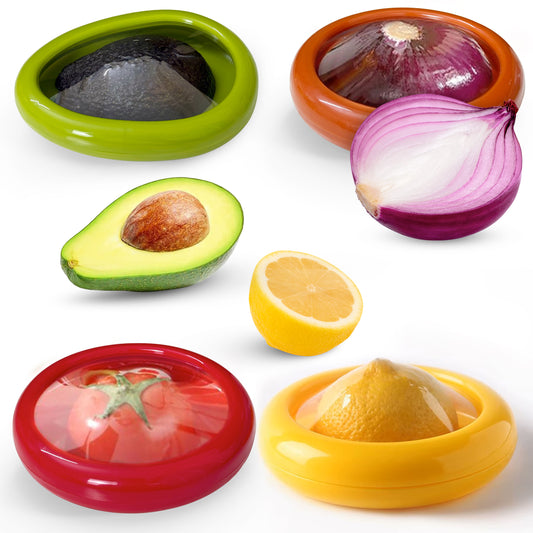
Why Silicone Food Storage Boxes are the Future of Kitchen Organization
Kitchen clutter builds up faster than most people expect. Containers don’t match, lids go missing, and food still spoils too soon. It slowly turns everyday cooking into a messy routine.
Silicone food storage boxes offer a simple fix. Flexible and crack-resistant, unlike rigid containers that break or warp over time. A tight seal keeps food fresh and locks in odors inside the fridge.
Their shape also fits into tight spaces more efficiently. Managing clutter and storage becomes much easier.
This is why silicone food storage boxes are becoming popular in kitchen organization. Used properly, they reduce clutter, save space, and cut down frustration.
Over time, the kitchen feels cleaner and more organized. Silicone storage quietly improves daily routines without extra effort or attention.
What Are Silicone Food Storage Boxes?
At its core, silicone is a silica-based polymer. It is made from silicon, which is a natural element found in common sand. Manufacturers combine this silicon with oxygen, carbon, and hydrogen.
The result is a food-grade silicone that feels like rubber but acts like a high-tech shield. These flexible storage containers are designed to be completely inert. This means they do not react with the ingredients you put inside them.
When we talk about non-toxic food boxes, we are talking about a material that stays stable whether it is freezing cold or piping hot.
Comparison Between Silicone, Plastic, & Glass
To truly appreciate this material, you have to look past the soft texture. Many people confuse this material with plastic, but they are worlds apart in terms of chemistry and performance. Here’s a complete comparison:
| Performance Metric | Food-Grade Silicone | Traditional Plastic | Tempered Glass |
| Heat Stability | Up to 450°F (Stable) | Melts at < 210°F | Can shatter (Thermal shock) |
| Flexibility | High (Collapsible) | None (Rigid) | None (Rigid) |
| Weight Factor | Lightweight | Ultra-lightweight | Very Heavy |
| Chemical Leaching | Zero (Inert) | High risk (BPA/BPS) | Zero |
| Space Saving | Excellent (Nesting) | Poor (Bulky) | Poor (Stiff) |
7 Reasons Why Silicone is the Future of Food Storage

The evidence is clear when you look at the daily friction of kitchen life. We need tools that adapt to us, not the other way around. Here are the seven pillars of the sustainable food storage revolution and why these are the ultimate kitchen storage solutions.
1. Unmatched Temperature Resilience: Freezer to Oven
Most containers have a "breaking point." Glass can explode if it moves too fast from cold to hot. Plastic simply turns into a puddle. The High-temperature resistance of silicone is its most famous trait.
You can take a meal prepped in oven-safe silicone from the freezer and put it straight into a preheated oven. Because it has such high thermal stability, it does not expand or contract rapidly. This makes it microwave safe for those busy nights when you need a meal in five minutes. You can even use these boxes in air fryers or for sous-vide cooking. It is one tool that replaces three.
2. Space Optimization and the Collapsible Revolution
Modern life often means smaller living spaces. We have to be smart about every square inch of our cabinets.
This is where collapsible food containers shine. When they are empty, you can press them down until they are flat. This creates a space-saving kitchen environment where you can stack ten boxes in the space previously taken by two. These nesting storage sets mean your "tupperware drawer" finally stays organized. You get more room for the things that actually matter.
3. Health and Safety: Beyond the BPA-Free Label
We have all seen the "BPA-Free" stickers on plastic. But new research shows that "BPA-Free" plastic often contains BPS or BPF, which can be just as harmful to your hormones.
Choosing BPA-free containers made of silicone is a different experience. Silicone is a non-leaching material. It does not shed microplastics into your soup.
If you look for platinum-cured silicone, you are getting the purest form available. This is chemical-free storage that you can trust for your children’s lunches and your own long-term health.
4. Superior Airtight Sealing for Food Longevity
Oxygen is the enemy of freshness. When air gets into your containers, your berries mold and your crackers go stale. The natural flexibility of the material allows for airtight silicone lids that create a physical suction seal. This is the key to extending food shelf-life.
Many designs feature a center valve that lets you press out excess air. This anti-oxidation storage box creates leak-proof food storage that is so reliable you can carry it in a laptop bag. By keeping air out, you save money and reduce the amount of food you throw away.
5. Extreme Durability: Shatterproof and Warp-Proof
Life happens. Jars drop. Lids get stepped on. In a busy home, "fragile" is a bad word.
Silicone provides shatterproof storage that is virtually indestructible. These are long-lasting containers that won't crack if you drop them on a tile floor. They have incredible wear and tear resistance.
Unlike plastic, which gets brittle and "cloudy" after a few months, silicone stays clear and flexible for years. It is a one-time investment that ends the cycle of buying cheap replacements.
6. Eco-Friendly Choice for Sustainable Living
The world is drowning in single-use plastic. We have to find ways to reduce our footprint without making life harder. Creating a zero-waste kitchen is much easier with silicone.
By reducing plastic waste, you are keeping thousands of baggies and cheap tubs out of landfills. These reusable food containers represent a shift toward a "circular economy."
They are made from an abundant resource (sand) rather than oil. This is the heart of sustainable food storage.
7. Natural Resistance to Stains and Odors
We have all had that "tomato sauce stain" that never goes away. It makes perfectly clean containers look dirty.
Silicone has a non-porous surface. This means it does not have the tiny microscopic holes that plastic has. It is a naturally odor-resistant silicone material. Even if you store spicy curry or garlic-heavy pasta, a simple wash removes every trace of the scent. These stain-proof containers stay looking brand new, meal after meal.
How to Style Your Kitchen Storage

There is a deep sense of peace that comes from a tidy fridge. When you open the door and see clear, uniform containers, your brain relaxes. The move toward kitchen aesthetics is about more than just "looking good." It is about visual clarity.
When you use a uniform storage system, you can see exactly how much milk or spinach you have left. This helps with pantry organization ideas because you stop overbuying. You can use different colors of silicone to separate meat, dairy, or gluten-free snacks.
The 5-Step Kitchen Reset
Once set up, the system stays easy to maintain, reduces waste, saves time, and makes fridge contents instantly clear:
- Purge: Remove every plastic container that doesn't have a matching lid.
- Size: Choose a set with three standard sizes to keep your stacking simple.
- Color: Use soft, neutral tones to create a calm space-saving kitchen look.
- Label: Use dry-erase markers on the smooth silicone surface to date your leftovers.
- Rotate: Put the newest food in the back and the oldest in the front.
Practical Buying Guide: Identifying High-Quality Silicone
As the demand for silicone grows, the market is being flooded with cheap imitations. You need to be a savvy shopper to get the real benefits.
The first thing to look for is food-grade certification. Look for FDA or the stricter European LFGB markings. You should also perform the silicone pinch test.
Take the container and twist a small part of the wall. If the color stays the same, it is pure. If you see a white line, it contains plastic fillers. You want the best silicone food boxes to ensure no chemicals leach into your hot food. Here is a comparison of lid mechanisms:
| Lid Type | Best For | Security Level |
| Clip-Lock | Soups and Liquids | 5/5 (Highest) |
| Push-Fit | Dry snacks and veggies | 3/5 (Medium) |
| Zipper Top | Sandwiches and marinades | 4/5 (High) |
Care and Maintenance for Longevity
Silicone is one of those materials that quietly proves its worth over time. It doesn’t demand special treatment, but it does respond well to a bit of consistency. Handle it properly, and it’ll outlast most kitchen storage you’ll ever own.
Dishwasher use is completely fine. Top rack, bottom rack, no real concern either way. Heat doesn’t distort it the way it would with cheaper plastics. The real issue usually isn’t the dishwasher at all, it’s leftover residue that’s been ignored for too long.
Greasy food is where things start to show. A basic wash with mild soap handles most of it, but sometimes a stubborn film sticks around, especially after rich or oily meals. That’s where lemon juice or a splash of white vinegar comes in. Nothing fancy, just effective.
Smells are another matter. Strong foods like garlic or curry tend to linger longer than expected. A simple trick some people use is heating the empty container at around 250°F for about 20 minutes. It sounds unusual, but it helps release trapped odors from the surface. Day-to-day care stays straightforward. Mild soap, soft sponge, done. Harsh scrubbing isn’t needed and usually does more harm than good over time.
Once a week, a hot dishwasher cycle helps reset everything, especially after heavy use. It keeps the surface feeling fresh instead of dull or sticky. Once a month, a baking soda soak brings back that clean finish. Slow, simple, and surprisingly effective.
One thing matters more than anything else. Keep sharp knives out of the container. Even a quick cut leaves marks that don’t really go away, and over time, those small cuts start to add up.
10 Best Silicone Food Storage Boxes
Discover the 10 best silicone food storage boxes for keeping meals fresh, organized, and leak-resistant. These reusable containers are flexible, durable, and ideal for leftovers, meal prep, lunch boxes, and freezer storage. Choose safer, space-saving options for a cleaner and more eco-friendly kitchen.
| No. | Brand Name | Product Model Number / ASIN | Best For | Specifications |
|---|---|---|---|---|
| 1 | Keweis | B0BTY23W8G | Meal prep and lunch storage |
|
| 2 | Annaklin | BXDA-3SZ-12AQ | Reusable silicone food bags |
|
| 3 | K HOME VT | B0CQKLQZCK | Camping, RV, travel, and space-saving storage |
|
| 4 | Pharamat | ZHFanHeHuiBian-4Se-350ml-01 | Small snacks, fruit, and kids’ portions |
|
| 5 | Rebagz | RBGZ-3PK-3SZ | Stand-up silicone bags for leftovers |
|
| 6 | ECOBERI | B09FC82JR7 | Compact lunch and snack containers |
|
| 7 | ZIP STANDING | A1821 | Stand-up silicone bowl bags |
|
| 8 | CuLiDing | TKTI043AM1 | Snack and sandwich storage |
|
| 9 | KUON | B07ZDMM1P1 | Mixed-shape collapsible containers |
|
| 10 | XuCeLo | B0DC687Q19 | Bento boxes and freezer storage |
|
Frequently Asked Questions (FAQs)
We understand that changing your kitchen setup is a big step. Here are some common questions people ask every time they see silicone storage boxes for foods:
Are silicone food storage boxes safe for my family?
Yes. Unlike plastic, food-grade silicone is totally inert. This means it won't leach nasty chemicals into your hot leftovers. It is free from BPA, BPS, and phthalates. You get total peace of mind while keeping your food fresh and your family very safe.
Can I put silicone containers in the oven or air fryer?
You sure can. High-quality silicone handles heat up to 450°F beautifully. It is safer than glass because it won’t shatter from thermal shock. Use it for roasting, baking, or reheating. Just ensure it is 100% food-grade before you turn on the high heat.
How do I get rid of lingering food smells?
Silicone is non-porous, but smells can sometimes cling to the surface. Don’t worry. Just soak the box in a mix of warm water and white vinegar. Or, pop the empty container in the oven at 250°F for twenty minutes to naturally release odors.
Do these containers really save that much space?
They really do. Most silicone boxes are collapsible. This means they fold down to an inch thick when empty. You can stack a dozen in one small drawer. It is the ultimate hack for tiny kitchens or anyone craving a very tidy pantry.
Why does my silicone taste like dish soap?
This happens when soaps with oils or perfumes stick to the silicone surface. To fix it, boil the container in plain water for five minutes. Boiling strips the residue away. In the future, use a mild, scent-free detergent to keep your food tasting great.
Is silicone actually better for the planet than plastic?
Absolutely. Plastic breaks down into tiny microplastics that hurt our oceans. Silicone is much more durable and lasts for decades. The material comes from silica, a common resource. By choosing silicone, you stop the cycle of waste and help protect our precious global environment.
Ready to upgrade your kitchen habits
A better kitchen doesn’t come from perfection. It comes from small, practical upgrades that make everyday life easier.
That’s exactly why silicone food storage boxes are the future of kitchen organization is becoming such a common question. These simple containers solve problems people have dealt with for years. Leaks, wasted space, and bulky storage that never quite fit right.
They’re safer for your health, easier on your cabinets, and better for the environment. Instead of juggling mismatched plastic containers, you get a cleaner, more flexible system that actually works with your routine.
Switching to silicone isn’t just a storage choice. It’s a step toward a more organized, low-stress kitchen that feels easier to use every day.