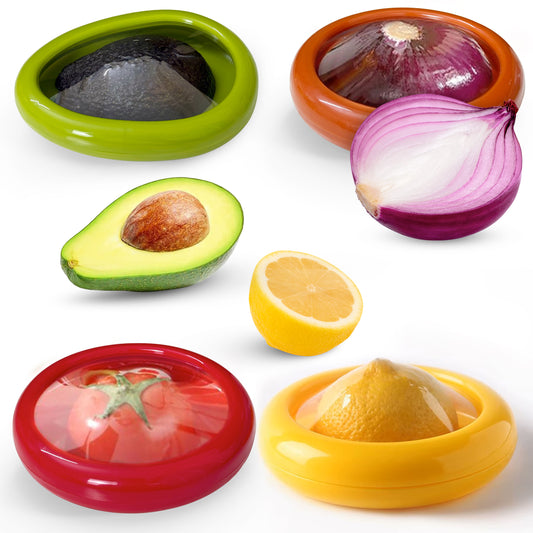
Silicone Storage Boxes Vs Plastic Containers: Which One Is Healthier?
We’ve all been there. You cook a delicious meal and now you have leftovers. You open the cabinet and face a tough choice. Do you reach for the common plastic box or something different?
Choosing the right container for your food is more important than you think. Today, many people are looking for better food storage alternatives. This brings us to a big question: the Silicone Storage Boxes Vs Plastic Containers debate. Which one is truly better for you and your family?
While plastic has been in our kitchens for years, new worries about health and our planet are making us think again. This guide will give you all the facts. We will look at what these boxes are made of, so you can make the best choice for your home.
What Are Silicone and Plastic Actually Made Of?
To understand which container is better, we first need to know what they are. Silicone and plastic might look similar sometimes, but they are very different. Their basic makeup changes everything about them.
What is Food-Grade Silicone?
So, what is food-grade silicone? It is a special kind of material made from natural things. Its main ingredient is silica, which is found in sand. It also has oxygen.
Think of it this way. Silicone comes from the earth, not from oil. This makes it a non-toxic and safe material for your food. It does not have harmful chemicals like BPA, lead, or phthalates. Its structure is strong and stable, so it does not react with what you store in it.
And What About Plastic Containers?
Now, let's talk about plastic food containers. Most plastic is made from petroleum, which is a type of oil. To make plastic useful for food storage, other chemicals are often added.
Some of these additives can be a problem. You may have heard of Bisphenol A (BPA). It is a chemical that can mess with our bodies' natural signals. These are sometimes called endocrine disrupting chemicals. Plastic can contain these chemicals, which is a growing worry for many families.
The basic difference in how they are made affects their safety. This is most important when we use them in our everyday kitchen tools, like the microwave.
Is Your Food Storage Safe? The Health Factor
Your family's health is the most important thing. When it comes to food storage, safety should be your number one concern. This is where we see the biggest difference between silicone and plastic.
The Problem with Tiny Plastics You Can't See
Have you ever heard of microplastic shedding? It sounds complicated, but it is simple. When you use a plastic container, tiny bits of plastic can break off and mix with your food.
This happens from normal use. Cutting food inside the container, scrubbing it clean, or even just heating it can cause this. You cannot see these tiny plastic bits, but they can get into your body. Scientists are still studying the long-term effects, but many agree it is better to avoid them.
On the other hand, silicone is a very stable and hygienic material. Its strong structure means it does not break down into tiny pieces. This keeps your food pure and free from unwanted extras.
A Tale of Two Containers: Heating Your Food
We all use the microwave to heat leftovers. But what happens when you put a plastic container inside? Even if it says "microwave-safe," heat can cause problems.
Heating plastic can make it release those harmful chemicals we talked about, like BPA. These chemicals can seep directly into your hot food. This is a big health risk that you can easily avoid.
Silicone is great with heat. It is very temperature resistant and can handle both the cold of a freezer and the heat of a microwave or oven. It stays stable and safe from about -40°F all the way up to 446°F. This means no harmful chemicals will leak into your food, no matter the temperature.
Safety is the top reason to switch, but the benefits do not stop there. Let's look at how these containers hold up over time.
Which One Lasts Longer? A Look at Durability
When you buy something for your kitchen, you want it to last. Good durability saves you money and reduces waste. Here, we see another clear win for silicone in the silicone vs plastic showdown.
To make it even clearer, here is a quick side-by-side comparison:
| Feature | Food-Grade Silicone Storage | Plastic Containers |
| Material Origin | Made from silica (sand) & oxygen | Made from petroleum (oil) |
| Heat Resistance | Excellent (-40°F to 446°F) | Poor (Can warp and melt) |
|
Microwave Safety |
Very Safe; no chemical leaching | Risky; can leach chemicals |
| Health & Safety | No BPA, no microplastics | May contain BPA; sheds microplastics |
| Durability | Lasts for years; won't crack | Becomes brittle and cracks over time |
| Stain & Odor | Resists stains and odors | Stains easily and holds odors |
| Eco-Friendliness | Highly reusable, reduces waste | Contributes to landfill & ocean pollution |
| Cleaning | Dishwasher-safe, easy to clean | Can warp in dishwasher; stains persist |
Now, let's break down a few of these points even further.
Material Integrity
-
Silicone: This material is flexible and strong. You can drop it, and it will not shatter or crack. It stays soft and does not become dry or brittle over the years.
-
Plastic: We all know what happens to plastic over time. It can become hard, crack easily, and even warp in the hot dishwasher. This means you have to replace it often.
Stain and Odor Resistance
-
Silicone: Silicone has a non-porous surface. This is a fancy way of saying it does not have tiny holes that absorb smells and colors. Your silicone container will not smell like last week's soup or turn orange from tomato sauce.
-
Plastic: Plastic easily stains and holds onto odors. That garlic smell can stick around for a long time, and tomato sauce stains can be almost impossible to remove.
Long-Term Value
Silicone containers might cost a little more at first. But because they last for years and years, they are a better investment. You will not have to buy new ones all the time, which is great for your wallet and creates less waste. This makes them a truly eco-friendly storage choice.
A container that lasts is a big step towards a smarter, more sustainable kitchen.
10 Best Silicone Storage Boxes
Silicone storage boxes are flexible, durable, and space-saving containers for keeping food fresh at home or on the go. The best options are leak-resistant, freezer-safe, microwave-safe, and easy to clean, making them ideal for meal prep, leftovers, snacks, and organized kitchen storage.
| No | Brand Name | Product Model Number | Best For | Specifications |
|---|---|---|---|---|
| 1 | OXO Storage Box | 1056988 | Liquid measuring |
|
| 2 | Rubbermaid Storage Box | 2108390 | Meal prep and leftovers |
|
| 3 | Sistema Storage Box | 888709 | Large pantry and fridge storage |
|
| 4 | Joseph Joseph Storage Box | 40101 | Compact food prep |
|
| 5 | Fullstar Storage Box | TF1096C-8 | Vegetable chopping and slicing |
|
| 6 | Gorilla Grip Storage Box | 019962819322 | Cutting meat, vegetables, and fruit |
|
| 7 | Pyrex Storage Box | ASIN: B016ULWZ0A | Glass food storage |
|
| 8 | Progressive PrepWorks Storage Box | CC-60J | Washing berries and small produce |
|
| 9 | Cuisinart Storage Box | CTG-00-3MBW | Mixing and baking prep |
|
| 10 | Bentgo Storage Box | ASIN: B09DHYTDBD | Lunch and meal prep containers |
|
Everyday Use in the Kitchen: Making Life Easier
A good food container should make your life easier. It needs to be practical for everyday use, from saving space in your cabinets to keeping your food fresh.
Keeping Food Fresh and Saving Space
Keeping your food fresh is the whole point of a storage container. A good seal is key. You need air-tight storage to lock in freshness and stop messy leaks in your lunch bag.
Many modern silicone containers also have a cool feature: they are collapsible. When you are not using them, you can flatten them to save a lot of space. This makes them perfect for small kitchens, camping trips, or packing a lunch without the bulk.
To maximize food preservation, the quality of the seal is everything. Advanced options like the Fruit and Vegetable Anti-Oxidation Storage Box leverage superior design to create a truly protective environment. This makes them an essential tool for anyone serious about reducing food waste and ensuring freshness.
What Do 'Food-Safe' Labels Really Mean?
You will often see the term "food grade" or "FDA approved." These are important labels that help you trust the products you buy. They act as a promise of safety.
-
FDA (U.S. Food and Drug Administration): This is the basic standard in the United States. It means the material has been tested and is considered safe for contact with food.
-
LFGB (German Food & Feed Acts): This is a European standard that is even stricter than the FDA's. Products with LFGB certification have gone through more intense testing to make sure they are extra safe.
When a company gets these certifications, it shows they are serious about quality. It’s a good sign that you are buying a trustworthy product.
How to Choose High-Quality Silicone (And Avoid Fakes)
Not all silicone is created equal. As it becomes more popular, some cheaper products may appear that are not 100% pure silicone. Here are two simple ways to check for quality.
-
The Pinch Test: This is the easiest way to check. Pinch and twist a flat surface of the silicone product. If it turns white, it means chemical fillers have been used. Pure silicone will not change color.
-
Check for Certifications: Look for those LFGB or FDA approval marks on the packaging or product description. Reputable brands will be proud to show that their products meet high safety standards.
Choosing a high quality silicone product ensures you get all the health and durability benefits we have talked about. These practical benefits and safety marks lead us to our final comparison: the impact on our planet.
What About the Planet? The Environmental Choice
Our choices in the kitchen can have a big impact on the world outside our homes. When we choose a product, we are also choosing its environmental footprint.
The plastic problem is huge. Plastic comes from oil, a non-renewable resource. It is often used only once before being thrown away, contributing to our massive landfill problem. Worse, a lot of it ends up in our oceans, where it harms wildlife. Plastic takes hundreds of years to break down, and when it does, it just becomes microplastics.
Silicone offers a much better story. While it is not biodegradable, its incredible reusability is its superpower. A single silicone container can replace hundreds of disposable plastic containers. It helps us fight the culture of single-use plastic.
When its long life is finally over, silicone is also a better choice. If burned, it turns back into harmless things like silica, carbon dioxide, and water. This is much cleaner than burning plastic, which can release toxic fumes.
Frequently Asked Questions
When making a change in the kitchen, it's normal to have a few questions. Here are some quick, straightforward answers to the most common things people ask when comparing silicone and plastic food storage.
Is silicone actually safer than BPA-free plastic?
Yes. Even BPA-free plastic can release other potentially harmful chemicals. Pure food-grade silicone is completely inert, meaning it doesn't leach any chemicals into your food, making it the safest choice for your family's health.
Can silicone storage containers go in the oven?
Absolutely. High-quality silicone is oven-safe up to 446°F (230°C). This makes it much more versatile than plastic, as you can bake, store, and reheat your meals all in the very same container.
Does silicone get stained by foods like tomato sauce?
No. Unlike plastic, silicone has a non-porous surface that resists staining and odors. This means it won't hold onto that old spaghetti sauce color or smell, keeping it fresh and clean for years.
Is silicone environmentally friendly if it's not biodegradable?
Yes, its eco-friendliness comes from its extreme durability and reusability. A single silicone container can replace hundreds of single-use plastic ones, significantly reducing landfill waste and your overall environmental impact over time.
How can I tell if my silicone container is 100% pure?
You can perform the "pinch test." Simply pinch and twist a part of the container. If a white line appears, it likely contains chemical fillers. Pure, high-quality silicone will not change color at all.
Is silicone difficult to clean or does it get sticky?
Not at all. Silicone is naturally non-stick and completely dishwasher-safe. If it ever feels slightly oily, a quick wash with warm, soapy water or baking soda will restore its smooth, clean finish easily.
Ready to Upgrade? Make the Smart Swap to Silicone Today!
The winner in the Silicone Storage Boxes Vs Plastic Containers debate is crystal clear. Plastic might be cheap, but it costs your health and our planet. Silicone offers a much safer and smarter way to save your meals.
It is time to throw out those old plastic tubs. You deserve food storage that keeps your family safe from harmful chemicals. Make the switch today to build a healthier kitchen.
Start small by replacing just a few everyday items. Grab a durable silicone box and see the amazing difference for yourself. Check out our high-quality storage box and upgrade your home right now!