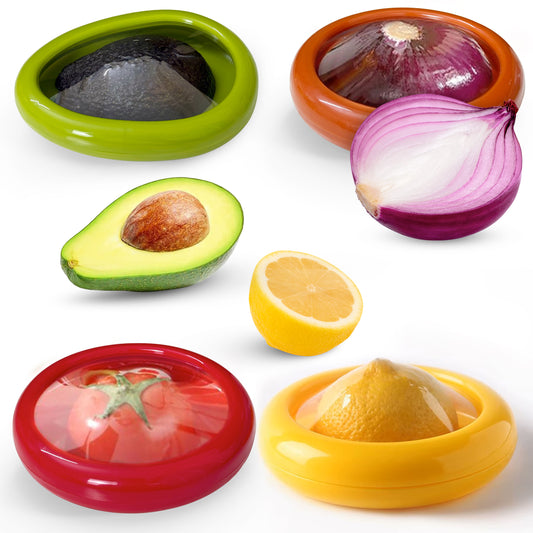
How to Organize Your Kitchen with Silicone Storage Boxes
A kitchen can fill up faster than expected. Mismatched lids, bulky bags, and small spills start to take over the space. What should feel simple begins to feel harder than it needs to be.
Clutter builds when food and ingredients have no clear place. Silicone storage boxes bring structure back to the kitchen in a simple way. The right containers keep dry foods fresh and help protect produce.
They work for fruit, chopped vegetables, dry ingredients, leftovers, and snacks. In many USA homes, reusable silicone containers support better storage and less waste.
What Are Silicone Storage Boxes?
Silicone storage boxes are flexible, reusable containers made from food-grade silicone. They can hold dry foods, fresh produce, and leftovers while keeping them fresh. A secure seal limits exposure to air and improves food storage.
Silicone food savers use non-porous material. It keeps food fresh and does not hold odors or release chemicals.
The material feels soft to the touch but holds its shape during use. It does not crack like plastic or feel heavy like glass. This balance makes silicone food storage suitable for everyday kitchen use.
It is a safe and eco-friendly choice instead of single-use plastic. Stackable silicone kitchen containers save space and keep food protected.
Why Kitchen Order Breaks Down
Kitchen order breaks down when storage systems fail to match how a cook actually works. Loose bags and half-used ingredients quickly create clutter on shelves. A silicone produce storage box keeps fresh items organized and easy to see.
Dry foods lose their place first. Flour, cereal, rice, pasta, seeds, and snacks all need a system. Without one, shelves fill up fast, and the cook spends more time searching than preparing.
Fresh produce also creates a layer of mess inside the refrigerator. Herbs dry out quickly, and cut fruit is often forgotten in the back of the drawer. A reusable silicone food container keeps air out and food fresh.
The Problem with Traditional Kitchen Storage
Traditional food storage often relies on materials that do not last. Many people find that their storage containers lose their shape in the dishwasher. Plastic tubs scratch easily and hold onto ugly stains from old meals.
Plastic bags do not provide a real barrier against the air. Moisture enters the bag and ruins the crunch of expensive snacks. Cheap plastic bins may release chemicals in the microwave.
Traditional plastic containers often soak up strong smells from old food. Most sets eventually leave you with a mess of mismatched lids that just take up space in your cabinets.
This is where a good silicone storage box stands apart. Eco storage solutions for the kitchen help reduce costs and bring freshness.
Using Silicone Storage for Dry Foods
Good silicone storage for dry foods protects ingredients from air. A secure seal supports longer freshness and protects texture. Dry foods stay closer to their original quality over time.
Many pantry items lose their bite because they sit in open or loosely closed packaging. Air moves in, and small changes build up within days. This leads to stale snacks, clumped flour, and uneven texture.
Good silicone containers hold dry foods in a more controlled space. The material does not let moisture pass through easily, and it does not carry over odors.
Silicon food savers can provide the following advantages:
- Reduced air exposure
- Better moisture control
- Cleaner pantry layout
- Longer shelf life
The difference is easier to see when silicone is compared with glass and plastic.
Silicone vs Plastic vs Glass: Best Food Storage Containers for Your Kitchen
Different materials affect food storage in different ways. Silicone offers a balance between flexibility, durability, and safety. A comparison helps highlight the differences.
| Storage Type | Durability | Heat Safety | Odor Resistance | Weight | Reusability |
| Silicone Containers | Very High | High, typically up to ~400–450°F | High | Light | High |
| Plastic Containers | Medium | Low, may warp | Low | Light | Medium |
| Glass Containers | High | High, but sensitive to sudden change | High | Heavy | High |
| Plastic Wrap | Low | Very Low | Low | Light | None |
Silicone holds a steady balance in daily use. It stays light and resists wear. This makes it easier to rely on over time compared to more rigid or disposable options.
The value becomes clearer when different foods are stored over time.
Organizing Different Types of Food
Silicone storage boxes support different types of food. Their flexibility and secure seal help maintain freshness without complicating storage. Everyday items become easier to manage.
Dry foods stay protected from air and clumping. Fresh produce holds its texture for longer under stable conditions. Leftovers remain easy to store, stack, and reuse without extra handling.
Some foods need more structure than others. Soft desserts and delicate items require support to keep their shape. A simple mix of container sizes and forms helps create a more reliable system.
Best Silicone Storage Solutions by Food Type
Different foods need different storage formats. Matching each type with the right silicone container improves freshness and organization.
| Food Type | Best Silicone Storage Use | Why It Helps |
| Flour and sugar | Airtight dry food box | Keeps moisture out and reduces clumps |
| Rice and grains | Stackable pantry container | Saves space and supports portion control |
| Nuts and seeds | Small sealed box | Preserves freshness and natural flavor |
| Berries and grapes | Produce storage box | Reduces bruising and keeps items organized |
| Cut vegetables | Fridge-safe container | Makes prepped food easy to access |
| Leftovers | Reusable silicone food container | Supports quick storage and reheating |
| Snacks | Small stackable box | Keeps portions separate and visible |
A kitchen works better when each food type has a clear place. A small set of well-matched containers often performs better than a large mix of random ones.
Even with the right containers, small mistakes can disrupt the system. A closer look at common storage habits shows where clutter begins.
Common Food Storage Mistakes That Create Kitchen Clutter
Storage mistakes often lead to clutter and food waste. Poor sealing and inconsistent container use create problems over time. Small habits can affect overall organization.
Many of these issues start small but build quickly. A loose lid, an overfilled box, or too many container types can disrupt the flow of the kitchen. Over time, the space feels harder to manage.
Some of the common mistakes include:
- Leaving containers partially open
- Storing warm food directly
- Using mismatched sizes
- Mixing dry and wet foods in one box
- Overfilling containers so lids do not seal
- Forgetting to label pantry items
A more consistent system often begins with fewer container types and clearer categories. Fixing small habits improves both storage and food quality.
The next step focuses on simple habits that help maintain order. A few steady practices make silicone storage work at its best.
Best Practices for Using Silicone Storage Boxes
Using silicone storage boxes properly improves results over time. Small, consistent habits help maintain freshness and keep the kitchen organized. The system works best when routines stay simple and steady.
Food goes into the container only after it cools. A fully closed lid keeps air out and helps protect the texture. When sealing stays consistent, food holds its quality longer.
Cleaning stays simple with mild soap and a soft sponge. Sharp tools stay out of the container to protect the surface. A smooth interior prevents residue from building up.
Dry containers stack better and stay ready for use. A clean, dry storage space keeps them in good condition. Regular care helps silicone containers perform well over time.
How to Clean and Maintain Silicone Food Storage Containers
Storage works best when it stays clean. Silicone is easy to maintain, yet a steady routine still makes a difference. A quick rinse after use helps control odors and light stains.
Mild soap and warm water handle most cleaning needs. Some designs are dishwasher safe, depending on the build. Fully dried containers stay ready for the next use and stack more neatly.
A simple care routine can include:
- Wash after use
- Dry fully before stacking
- Avoid overfilling hot liquids unless the product allows it
- Inspect lids for wear
Clean storage supports food safety and keeps the space feeling fresh. It also extends the life of each container, which adds long-term value.
10 Best Silicone Storage Boxes for Kitchen Organization
The 10 best silicone storage boxes make kitchen organization easier by saving space, reducing clutter, and keeping food fresh. These flexible, reusable, leak-resistant containers are ideal for leftovers, meal prep, snacks, and pantry storage. Choose durable, food-grade designs with secure lids for convenient everyday use at home or while traveling.
| Brand Name | Model Number / ASIN | Best for | Specifications |
|---|---|---|---|
| PandaEar
Storage Boxes |
B0DRJ31TMM | Everyday food storage |
|
| Keweis Storage Boxes | B0BTY23W8G | Storing large meals and leftovers |
|
| Anatole Storage Boxes | B0CJBGWL8X | Oven-to-freezer meal preparation |
|
| Blushtier Storage Boxes | B0DRP12MXV | Organizing food for larger families |
|
| ISSEVE Storage Boxes | B0CWWLMM62 | Maximum container-size variety |
|
| BLUE GINKGO Storage Boxes | B096363YQS | Durable premium silicone storage |
|
| XuCeLo Storage Boxes | B0DC687Q19 | Large-capacity leftover storage |
|
| K HOME VT Storage Boxes | B0CQKLQZCK | Small kitchens, RVs and camping |
|
| U-Taste Storage Boxes | B0F62CVJG5 | Portion control and date tracking |
|
| VPASION Storage Boxes | B0DK1W697L | Snacks, daycare and small portions |
|
Frequently Asked Questions (FAQs)
Some questions often come up when using silicone storage boxes. Clear answers help improve everyday use.
What foods can be stored in silicone containers?
Silicone containers work for dry foods, produce, and leftovers. They handle both solid and semi-moist items well. Their flexibility supports different storage needs.
Do silicone storage boxes keep food fresh longer?
Yes, they reduce air exposure and help maintain moisture balance. A sealed environment slows spoilage. Freshness lasts longer compared to open storage.
Are silicone containers safe for food storage?
Most are made from food-grade silicone. They are safe for regular use. Quality products meet safety standards.
Can silicone containers be reused?
Yes, they are designed for repeated use. Proper cleaning extends their lifespan. This makes them cost-effective.
Do silicone containers absorb odors?
High-quality silicone resists odor absorption. Regular cleaning keeps them fresh. Strong smells do not linger easily.
Are they suitable for small kitchens?
Yes, especially stackable designs. They save space and reduce clutter. Storage becomes more efficient.
A well-organized kitchen makes everyday tasks feel easier. Storage shapes how smoothly things run. Small changes can improve both space and routine.
Keep Your Kitchen Organized with Silicone Storage Solutions
A kitchen works better when everything has a place. Storage shapes how food is used and how space feels each day. The right containers support that balance.
Silicone storage boxes help keep food fresh and organized. They reduce waste and improve daily use. Over time, the kitchen becomes easier to manage.
Eco storage solutions for kitchen use are no longer difficult to adopt. Reusable silicone food container options make that shift practical and lasting.