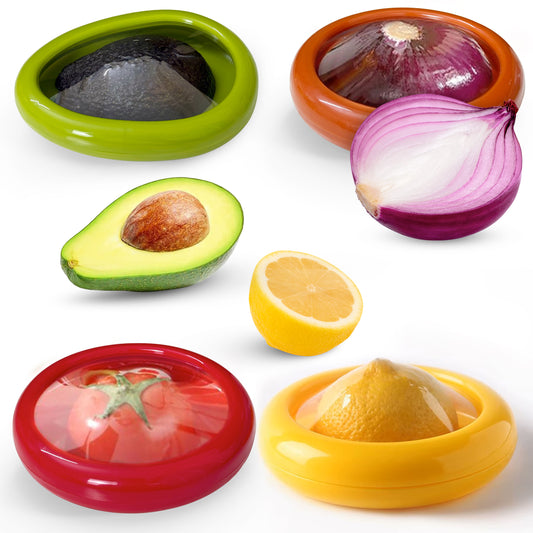
How Silicone Fruit Storage Boxes Help Reduce Waste at Home
You buy fresh fruit with gooFruit Fresh d intentions. A few days later, the strawberries turn soft, and the bananas turn brown too quickly.
That happens in many homes. Food gets forgotten, moisture builds up, and produce spoils before anyone finishes it. The result is wasted groceries and unnecessary waste.
A big reason comes down to storage. Fruits stay fresh longer when airflow, moisture, and organization are managed properly. That is exactly how silicone fruit storage boxes help reduce waste in everyday kitchens. They keep produce separated, protected, and easier to see inside the fridge.
The difference may seem small at first. But over time, less food gets thrown away. Grocery costs stay lower, and the kitchen feels more organized and efficient every single day.
What Are Silicone Boxes? Why Do They Matter?
Silicone boxes are high-performance kitchen essentials crafted from flexible, food-grade silicone. Unlike traditional plastic alternatives, these containers are non-porous, BPA-free, and remarkably durable. They act as a specialized shield, creating a stable internal environment that protects your groceries from external contaminants, temperature swings, and the common pitfalls of improper cooling.
They matter because they represent a fundamental shift in how we manage our food. By choosing eco-friendly storage, you are moving away from flimsy, single-use plastics that clog our landfills and lose their shape after a few uses.
These long-lasting fruit containers are designed to endure years of daily wear, from the fridge to the freezer, without ever sacrificing their integrity.
Their impact on waste reduction is immediate and measurable. Because they are engineered to maintain ideal humidity levels and limit oxidation, they actively preserve the vitality of your produce.
When your fruit stays crisp and nutritious for longer, you stop throwing your grocery budget into the trash bin. Frankly speaking, silicone boxes are more than just kitchen tools. They support freshness while reducing your household’s environmental footprint.
Why Silicone is A Great Alternative
Science proves that the container matters. Plastic and glass have their place, but they struggle to meet the needs of fresh fruit. Silicone is different. It acts as a shield against the elements that steal life from your produce. It is a material that sits at the intersection of nature and human innovation.
Molecular Integrity (Silicone Beats Plastic and Glass)
Silicone has a unique structure that makes it safe and reliable for food storage. It is non-reactive, so it will not release harmful chemicals into your food. Unlike cheap plastic, silicone resists cracks where bacteria can grow. It also does not scratch, stain, or become porous over time like many plastic containers do.
Glass containers may look nice, but they can be heavy and easy to break. Silicone offers the best of both worlds. It is lightweight, flexible, durable, and made to keep your food safe and fresh.
The Airtight Seal: Preventing Pathogen Infiltration
Spoilage happens when oxygen and moisture fall out of balance. An airtight seal blocks unwanted air and germs and creates a stable environment inside the container. Your fruit stays crisp because the container protects it from the outside world.
The air in your fridge contains odors, microbes, and sudden temperature changes. A silicone container acts like a shield and keeps fresh air inside while blocking harmful elements outside. This protection matters most for delicate fruits like raspberries or peaches, which can spoil from a single mold spore.
Durability and BPA-Free Safety Standards
These durable fruit containers are made to last. They handle both heat and cold with ease, and they are free from BPA and other harmful toxins. Designed with health, safety, and convenience in mind, silicone storage boxes are a smart long-term choice for your kitchen.
By switching to reusable containers, you can cut down on waste and avoid constantly replacing plastic wrap and disposable bags. It is a simple, eco-friendly way to store food while caring for your home and your health.
| Material | Freshness Rating | Durability | Eco-Impact |
| Silicone | Excellent | High | Low |
| Plastic | Poor | Low | High |
| Glass | Good | Moderate | Low |
How Silicone Fruit Storage Boxes Help Reduce Waste at home: The Technical Review
You might wonder how a simple silicone container can keep food fresh for so long. The answer comes down to controlling oxygen, humidity, and temperature changes inside the container.
These factors affect the rate of oxidation, moisture buildup, and bacterial growth that cause produce to spoil. It is not magic, just smart design that helps food stay fresh longer.
Stops Browning
Oxygen is one of the biggest causes of spoilage. When cut foods like avocados, apples, or onions are exposed to air, they go through oxidation. An enzymatic reaction that causes browning and softening. Silicone containers create an airtight seal that reduces oxygen exposure, helping food maintain its texture, color, and freshness.
Prevents Soggy Produce
Excess moisture inside a container creates condensation, which increases the risk of mold and microbial growth. Silicone storage helps regulate humidity levels and reduce trapped moisture. This keeps fruits and vegetables firm and crisp instead of soft and soggy.
Slows Over-Ripening
Some fruits naturally release ethylene gas, a plant hormone that speeds up ripening and decay. A sealed silicone container helps limit the spread of ethylene, reducing the chain reaction that can cause nearby produce to spoil more quickly.
Creates a Better Fit
Rigid containers often trap extra air around food, increasing oxygen exposure. Flexible silicone can fit more closely around fruits and vegetables, reducing empty space inside the container. This smaller air pocket slows oxidation and helps preserve freshness for longer.
Keeps Flavors Fresh
Many plastic materials are porous and can absorb food odors over time. Silicone is non-porous and chemically stable, so it does not easily trap smells or transfer flavors between foods. This helps produce maintain its natural taste and aroma.
Works in the Fridge or Freezer
High-quality silicone is designed to handle thermal changes without cracking or breaking down. You can safely move produce from the refrigerator to the freezer while helping protect food from freezer burn and moisture loss. It is a durable way to extend freshness and reduce food waste.
10 Best Silicone Fruit Storage Boxes
Silicone fruit storage boxes keep fruits fresh, organized, and easy to carry. The best options are reusable, food-grade, leak-resistant, and space-saving. They are perfect for refrigerators, lunch bags, picnics, and meal prep while reducing plastic waste.
| No | Brand Name | Model Number / ASIN | Best For | Specifications |
|---|---|---|---|---|
| 1 | Food Huggers
Storage Box |
B01J4ADMJM | Overall silicone fruit & vegetable storage |
|
| 2 | Food Huggers Storage Box | B01M4QI8U3 | Avocado halves |
|
| 3 | Food Huggers Storage Box | B0B1FBJ4C9 | Citrus fruits |
|
| 4 | Winb Storage Box | B0D1845NYY | Budget 4-pack fruit savers |
|
| 5 | SOOPLEU Storage Box | B0C284Q7V5 | Small to medium produce |
|
| 6 | T-Raputa Storage Box | B0DB58FT8K | Garlic, onions, lemons, potatoes |
|
| 7 | Erehere Storage Box | B0FS85BLJF | Fresh-keeping fridge organization |
|
| 8 | TQRR Storage Box | B0G132F76C | Apple, tomato, lemon, orange storage |
|
| 9 | LPZXH Storage Box | B0F74NL2YS | Anti-oxidation produce storage |
|
| 10 | Rojoyal Storage Box | B0FNM7PVY8 | Travel, office snacks, and fridge use |
|
Better Food Storage Through Organization, Cleanliness, and Smart Cooling
Proper organization changes your entire relationship with your grocery list. When you treat your food with care, it lasts longer. You save time, money, and energy. It is about creating a routine that becomes second nature.
Advanced Cleaning and Sanitization Protocols
Sanitation is the secret weapon for longevity. Wash your silicone containers with mild soap and hot water. Let them dry completely before putting fruit back in. A clean box is a happy home for your apples and grapes.
Mold spores are everywhere; they are in the air. If you put fresh fruit into a container that still has residue from old fruit, you are basically seeding the container with mold. Make it a point to sanitize the lids and the seals, as these are the most common places for debris to hide.
Optimizing Fridge Placement for Better Freshness and Airflow
Your fridge has "hot" and "cold" spots. The produce drawer is usually the best place for fruits. But even then, do not cram too much in. Give your containers space. Air needs to move around them to keep the temperature steady.
If your fridge is stuffed to the brim, the air cannot circulate. This leads to warm pockets where mold can thrive. Keep your silicone boxes in the center of the drawer, away from the back wall where things sometimes freeze, and away from the door where the temperature fluctuates every time you grab a drink.
Fruit-Specific Storage Guide for Optimal Freshness
Different fruits have different needs. Use this guide to get the best results every time. Each fruit has its own personality, and treating them with respect pays off in flavor and texture.
| Fruit Category | Humidity Need | Storage Temp |
| Berries | Low | Very Cold |
| Citrus | Moderate | Cool |
| Stone Fruit | Moderate | Cold |
Berries love it cool and dry. Citrus fruits like a bit more moisture to keep their skin from getting leathery. Stone fruits need to be kept cold but out of direct contact with the freezing elements of the fridge.
The Economic and Ecological ROI In Getting A Silicone Box
Investing in quality gear is not just about the items themselves. It is about the money you keep in your pocket.
Food Waste Costs and Long-Term Savings
If you throw away $15 of fruit each week, that is $780 a year. A set of silicone boxes pays for itself in less than three months. It is a smart financial move. When you look at the price of a set of high-quality containers, it might seem like an upfront cost.
But compare that to the hidden "subscription" fee of food waste. You are paying for food you never get to eat. Stop that subscription. Use that money for better ingredients, better experiences, or whatever brings you joy.
Eco-Friendly Food Storage and Reducing Kitchen Waste
Your choices help the planet. By choosing eco-friendly storage, you stop relying on throwaway bags. You make a stand for a cleaner world. Every piece of fruit saved is a win for the environment.
It is not just the food that goes into the trash; it is also the plastic bags, rubber bands, and plastic clamshells that come with supermarket fruit. Silicone allows you to buy in bulk and skip the extra waste. You are participating in a circular economy right in your own kitchen.
Common Issues & Fixes Of Silicone Fruit Storage Boxes
Even silicone fruit storage boxes can run into a few common problems. Most are easy to solve with small adjustments in how they are used and maintained.
| Problem | Likely Cause | Quick Fix |
| Condensation buildup | Temperature changes | Add a dry paper towel inside |
| Lid not sealing properly | Misaligned edges | Press edges evenly until fully sealed |
| Unpleasant odor | Leftover fruit residue | Wash with baking soda and warm water |
Dealing with Condensation
Some moisture inside the box is normal, especially when fruit is moved between temperatures. If water starts to collect, place a dry paper towel at the bottom of the container.
It helps absorb excess moisture and can extend the freshness of berries and other delicate fruits. Too much trapped moisture can speed up spoilage, so keeping it under control matters.
Getting a Proper Seal
A good seal is key to keeping fruit fresh. Make sure the lid sits evenly across the rim with no gaps. Press around the edges until it feels fully closed. A proper seal limits air exposure, which helps slow down softening and decay.
Removing Odors
Fruit residue can sometimes leave behind smells, especially after long storage. A simple soak in warm water with baking soda usually removes lingering odors. Regular cleaning keeps the container fresh and ready for the next use.
Frequently Asked Questions (FAQs)
Switching to a more sustainable system often raises simple questions about everyday use, cleaning, and durability. Here are answers to the most common questions about keeping your produce fresh.
Does silicone fruit storage help prevent mold compared to plastic containers?
Yes. Mold spores are always in the air, but silicone provides a non-porous barrier that reduces moisture buildup and odor absorption, two major causes of mold. Unlike aging plastic, silicone does not develop tiny cracks where bacteria can hide, making it a cleaner option for storing fresh fruit.
Why is silicone better than single-use bags or glass for storage?
Silicone is flexible like a bag but strong like glass. Unlike disposable bags that tear and get thrown away, silicone containers are made to last and help reduce waste. They are also far less fragile than glass, so there is no worry about them breaking during daily use.
How do I keep berries fresh in silicone boxes?
The key is controlling moisture. Place a folded paper towel at the bottom of the container before adding berries. It absorbs excess moisture and prevents fruit from sitting in water, helping berries stay fresh for several extra days.
Can silicone containers be used with acidic fruits like citrus?
Yes. High-quality silicone is chemically stable and does not react with acidic fruits like lemons or oranges. It will not stain, break down, or affect the taste, unlike some lower-quality plastics.
Are silicone fruit boxes dishwasher safe and easy to clean?
Yes, they are dishwasher safe and very easy to clean. For best results, place them on the top rack. Since silicone is non-porous, it does not trap odors or residue. If smells remain, a quick soak in warm water with baking soda usually removes them.
Do silicone boxes stop fruit from ripening?
No container can fully stop ripening, but silicone helps slow its effects. A sealed box limits the spread of ethylene gas, which triggers ripening. This helps prevent one piece of fruit from speeding up spoilage in others stored nearby.
Start Reducing Your Kitchen Waste Today
Food waste often starts in the fridge. Fruit gets forgotten, goes soft, or dries out before you get a chance to eat it. That’s where silicone fruit storage boxes can make a real difference.
These containers help keep fruit fresher for longer by protecting it from air and moisture loss. When food is stored properly, it lasts longer and gets thrown away less often.
Hope now you know how silicone fruit storage boxes help reduce waste. It really comes down to small changes that make daily habits easier.
You don’t need a big kitchen change to notice results. Start small, like organizing one shelf or switching a few items into better containers.
Over time, these small habits add up. Less waste, fresher food, and a fridge that feels more organized and easier to use.