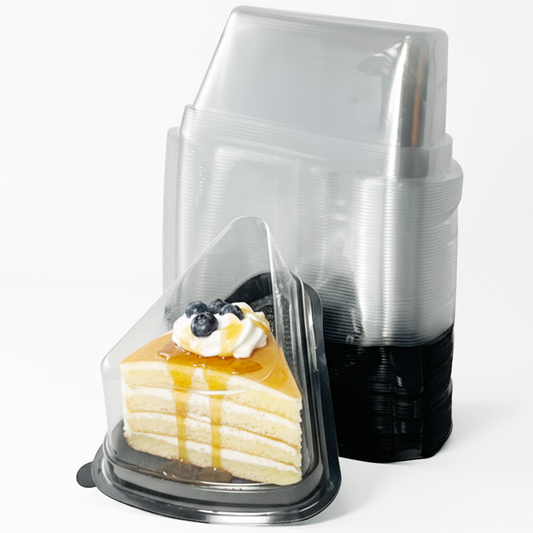
Plastic Cake Slice Containers: A Practical Solution for Storing Leftover Cake
Storing cake can be tricky when nothing seems to keep it fresh. You reach for plastic wrap, but it clings awkwardly and still leaves parts of the cake exposed.
Slices in the fridge dry out faster than expected. The edges firm up, moisture fades, and bulky containers take up space without sealing properly. Some are just a little too short, so the frosting gets pressed or smeared.
Many bakers agree that finding the best plastic cake storage container solves these issues more reliably. They seal in moisture, block fridge odors, and keep flavor intact. The sturdy shape protects frosting, and you avoid smears all over. Each slice stays fresh, holds its form, and is ready to enjoy later.
Make storage simple. Use a container designed for the job, and each slice stays soft, fresh, and ready to enjoy.
Why Individual Cake Portions Keep Cake Fresh
Fresh cake is a careful mix of water and fat. The moment you cut into it, freshness begins to fade. Oxygen speeds up that change, drying out the soft crumb.
An individual cake slice container slows this process. By sealing each slice, you create a small, stable space that protects texture and flavor. It’s a simple and effective way to store cake at home.
There’s more happening than most people realize. Cake doesn’t just dry out, it also goes through starch retrogradation. As it cools, starch molecules shift and push water out of the crumb. An airtight container helps slow this process, keeping the cake softer for longer.
Humidity also matters. A single slice in a large container sits in too much air. It pulls moisture away. A container that fits the slice closely reduces exposed air and helps preserve softness.
In the end, freshness depends on limiting air contact. The less the cake is exposed, the longer it stays moist, tender, and enjoyable.
Material Deep-Dive: PET vs. PP vs. PS
Choosing the right plastic is like choosing the right flour. Each type performs differently, so the material matters before you stock your kitchen.
PET plastic works best for presentation. It is clear, so the cake colors stand out and look fresh and appealing. It suits display or selling, but it does not handle heat well and can warp in dishwashers.
Polypropylene (PP) offers durability. It is stronger, handles heat better, and often appears in reusable containers. Many options also come in BPA-free, which fits modern kitchen standards.
Polystyrene (PS) is more rigid and low cost. It holds its shape well but can crack or snap if handled roughly.
| Material Type | Clarity Level | Temperature Range | Recyclability Code |
| PET | High (Glass-like) | Low (Cold storage only) | 1 |
| PP | Medium (Cloudy) | High (Microwave safe) | 5 |
| PS | High (Brittle) | Medium | 6 |
Key Features of High-Performance Slice Containers
Every good container needs a few specific things to work well. You should not just grab the first box you see at the store. Look for the engineering behind the plastic. A good container feels solid in your hand and clicks when it shuts.
Think of it as a dedicated cake slice saver. The most important feature is the hinged lid design. This makes sure you never lose the top. It also makes it much easier to pack slices quickly. You want a snap-lock closure that stays shut even if you drop the container. There is nothing worse than a cake slice hitting the floor because the lid popped open.
And for the organized baker, stackable storage is a lifesaver. You can pile ten slices in the fridge without taking up much floor space. Look for reinforced sidewalls as well. These prevent the container from collapsing when you stack them.
A leak-resistant seal is also vital if you have a moist cake or a fruit filling. Lastly, anti-fog technology keeps the plastic clear even when it is cold. This helps you see exactly which slice is which without opening the lid.
-
Check for a firm click when closing.
-
Ensure the base has "feet" for steady stacking.
-
Look for the recycle symbol at the bottom.
-
Avoid containers with sharp, thin edges.
Size Guide: Matching the Container to the Cake Type
Size matters when it comes to cake. A slice of cheesecake is very different from a slice of a five-layer birthday cake. If the box is too small, you ruin the frosting. If it is too big, the slice slides around and breaks. You need a guide to find the perfect fit.
Finding the right cake slice holder for leftovers depends on the dimensions of your bake. Most standard round cakes fit well in triangular cake boxes. These are shaped to match a 1/8- or 1/10-cut of a standard cake.
If you bake tall, vertical masterpieces, you need deep-dish containers. These provide the extra headroom needed for piped frosting or toppers. For something like a New York-style dessert, look for cheesecake slice dimensions. These are usually shorter and wider.
| Container Style | Best Used For | Typical Height |
| Standard Wedge | 9-inch round cakes | 2.5 to 3 inches |
| Deep Dish | Layer cakes with toppers | 4+ inches |
| Shallow Wedge | Cheesecakes and tarts | 2 inches |
When you use a standard wedge size, the cake fits snugly and stays in place. This helps prevent frosting from sliding or getting damaged during storage. If you work with 7-inch cake slices, they may feel slightly loose in a standard box.
A small piece of parchment paper can help fill the gap and keep the slice stable. For tall layer cakes, choose a container with enough height so the lid does not touch or press down on the decorations.
Plastic vs. Traditional Storage: Who Actually Wins
We have all tried the "old school" ways. We use plates with bowls flipped over them. We use cling film. We use foil. But these methods often fail us.
When we look at plastic wrap vs containers, the winner is clear. Plastic wrap touches the cake. It pulls at the delicate crumb. It smashes the beautiful swirls of buttercream you worked so hard on.
Then we have the drawbacks of aluminum foil. Foil is great for heat, but it is terrible for cake. It is not airtight. It leaves gaps where air can sneak in. Most importantly, you cannot see through it.
A forgotten cake in foil is a cake that ends up in the trash. Using an airtight cake slice container provides a solid shield. It prevents frosting compression entirely.
An airtight seal comparison shows that containers outperform wrap every time. Wrap can leak. Containers lock. And when we talk about reusable vs disposable, disposable plastic containers are the best. As they keep your health in check with minimal nano-plastic release.
Professional Use: Boosting Bakery Sales with Individual Slices
If you run a business, presentation is everything. People eat with their eyes first. A messy slice on a paper plate won't sell for much. But a slice in a clean, professional box? That is a premium product. Using high-quality bakery packaging supplies can actually increase your profits.
When a customer sees an impulse purchase display near the register, they are more likely to grab a slice. It looks easy to carry. It looks safe to eat. These take-out dessert boxes make your bakery look modern and clean. It is a small investment that leads to a big professional presentation.
Buying wholesale cake containers keeps your costs down. It allows you to offer "cake on the go" without much effort. You also gain huge branding opportunities. You can slap a sticker with your logo right on the clear plastic. It looks great and helps people remember where they got that amazing dessert.
The Environmental Perspective: Recycling and Upcycling
We need to talk about the planet. Plastic gets a bad reputation, but it can be managed responsibly. The key is to look for recyclable food packaging. Most PET and PP containers are easy to recycle in most cities. Check the number on the bottom of the box before you toss it.
If you want to be even greener, look for eco-friendly plastic options. Some companies now use post-consumer resin to make their boxes. This means the plastic has been used before and turned into something new. This is a huge part of finding sustainable bakery solutions.
But don't stop at the bin. Think about upcycling containers at home. These boxes are great for organizing small things.
- Store craft beads or buttons.
- Keep your screws and nails organized in the garage.
- Use them to start small seeds for your garden.
- Organize hair ties or makeup samples.
10 Best Plastic Cake Slice Containers
Plastic cake slice containers are perfect for keeping individual cake slices fresh, neat, and easy to carry. They help protect desserts from damage during storage, delivery, parties, bakeries, and events. Choosing the best containers ensures better presentation, convenience, and safe transport for every slice.
| No. | Brand Name | Model Number / ASIN | Best For | Specifications |
|---|---|---|---|---|
| 1 | Stock Your Home Cake Container | B09G8QGRXH | Bakeries, cafés, cake slice takeaway |
|
| 2 | Stock Your Home Cake Container | B0GV175P76 | Bulk bakery packaging |
|
| 3 | Fit Meal Prep Cake Container | B08YF4NT4N | Medium cake and pie slices |
|
| 4 | MT Products Cake Container | B01MU2DPPI | Small cheesecake and pie slices |
|
| 5 | MT Products Cake Container | B0GJDN819L | Square cake slice containers |
|
| 6 | MT Products Cake Container | B07SGX5Y4G | Medium dessert slice display |
|
| 7 | YOIYINI Cake Container | B0FXX67KJY | 6”–8” cake or pie slices |
|
| 8 | Zezzxu Cake Container | B0F9XVCV9M | Freezer-safe dessert packaging |
|
| 9 | Laylaxy Cake Container | B0C3RJSJVQ | Individual triangle cake boxes |
|
| 10 | Generic / Sideways Cake Slice Containers | B0FC6WG57G | Sideways cake slice presentation |
|
How to Store Cake Slices in Plastic Cake Slice Containers: Step-by-Step Guide
Storing cake slices the right way makes a big difference in how long they stay fresh. A simple routine helps protect texture, flavor, and frosting so every piece tastes close to fresh-baked.
Step 1: Cool the cake completely
Let the cake reach room temperature before storage. A warm cake in a sealed container creates steam. Otherwise, you get a soft, soggy texture.
Step 2: Set the frosting (optional but useful)
For soft or delicate frosting, place the slice on a plate in the freezer for about 20 minutes. This firms the surface and reduces sticking or damage during storage.
Step 3: Place the slice in a container
Transfer the cake into a clean, dry plastic container. Close the lid tightly to reduce air exposure and help limit condensation inside.
Step 4: Label each slice
Use tape and a marker to note the date and flavor. This helps track freshness and makes it easier to use older slices first.
Step 5: Store in the right fridge zone
Keep the container in the center of the fridge, away from strong-smelling foods like onions or garlic, to preserve the cake’s original flavor.
Frequently Asked Questions (FAQs)
You may still have a few questions before you stock your pantry. Storing sweets is simple once you know the basics. Here are the most common questions and answers to help you keep your bakes fresh.
Can you pop these in the microwave?
Most clear containers will melt or warp under high heat. Look for the number five on the base to ensure safety. If you do not see it, move your slice to a ceramic plate. Never risk ruining your dessert with melted plastic.
How do I keep my frosting from sticking?
Try freezing your slice for twenty minutes before boxing it up. This sets the buttercream so it stays put. Once the cake is cold, place it inside the plastic shell. Your decorations will remain perfect until you are finally ready to eat them.
Should I keep my containers on the counter?
Most cakes with cream or butter need a cold fridge. The plastic prevents the sponge from drying out in the chill. If your cake is plain, the counter is fine. Always keep the lid snapped shut to maintain the best flavor and texture.
How do I pick the best size?
Measure the height of your tallest layer before you buy. Tall cakes need deep dish containers so the lid clears the frosting. Standard wedges work for most round bakes. A snug fit keeps the slice from sliding around and getting messy inside.
Are these containers bad for the environment?
Many options are made from recyclable PET or PP plastic. You can wash and reuse the sturdier ones many times over. This reduces waste and saves you money. Just check the recycling code on the bottom before you toss them in the bin.
Are these boxes truly airtight?
Most high-quality versions feature a snap-lock seal that keeps air out. This prevents your cake from tasting like other fridge smells. Test the seal by pressing the sides gently. A silent, firm closure means your leftover cake will stay moist and delicious.
The Future of Dessert Storage
We have come a long way from tin foil and hope. The ultimate storage solution for your hard work is dedicated plastic cake slice containers. It protects the texture. It saves the look. Most importantly, it honors the time you spent baking.
Investing in quality cake storage for slices is truly an essential kitchen tool for anyone who loves sweets. By maintaining cake quality, you make the joy of a party last all week. It is a convenient portioning method that fits a busy life. You can grab a slice for your lunch box or give one to a neighbor without any mess.
Next time you have a cake on the counter, don't let it fade away. Put it in a clear, sturdy home. You will thank yourself when you have a perfect, moist slice of heaven waiting for you on a Tuesday night. Your cake deserves the best. Now you know how to give it exactly that.