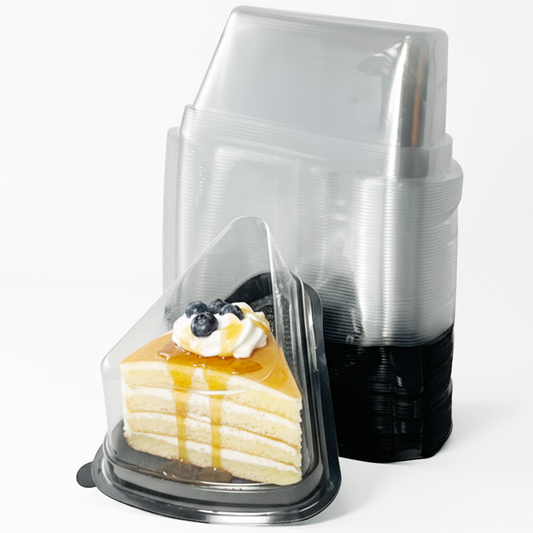
How Plastic Cake Slice Containers Keep Your Desserts Fresh Longer
Imagine your knife gliding through a fresh cake. The crumb opens gently, soft and full, each layer holding its place. A slice is set aside, smooth on the edges, frosting still fresh.
Time passes quietly. The slice rests in the open, unchanged at first. Then something subtle begins to shift.
By the next day, the texture feels tighter. The softness pulls back. The flavor feels slightly muted, no longer as rich as before.
The change begins the moment the cake is cut. The inside meets air, and moisture starts to drift away. In busy home kitchens and bakeries across the USA, a well-made plastic cake saver often shapes what remains. A sealed space holds the slice closer to its first moment, soft, full, and worth returning to.
Why Cakes Lose Freshness So Fast

Cakes lose freshness quickly due to moisture loss and starch changes. Both begin soon after the cake is exposed to air.
Understanding the cause helps slow the process. Cakes respond quickly to their surroundings, especially once sliced.
It is not only about the time. Two processes shape the change: moisture leaving the crumb and starch tightening within it.
Moisture Loss is the Main Problem
A fresh cake holds a high level of moisture within its crumb.
The air around the cake tends to be drier. Water moves outward into that air, a process known as evaporation.
When moisture escapes:
- The crumb turns firm
- Frosting loses its smooth texture
- Flavor feels less vibrant
Many bakers in the USA focus on better cake slice storage for fresh cakes for that reason. Small changes in storage help preserve texture longer.
Air Exposure Speeds Up Staling
Air exposure speeds up staling by removing moisture and triggering fat oxidation.
Oxygen interacts mainly with fats in the cake and frosting, which can affect flavor over time. At the same time, moisture escapes more quickly from the crumb.
This leads to:
- Flavor becoming dull
- Texture turning firm
- Freshness fading faster
Starch retrogradation plays a major role. After baking, starch holds water and keeps the crumb soft. Over time, starch tightens and releases that water, which leads to a firmer texture.
More airflow accelerates both moisture loss and starch tightening. Airtight cake slice containers slow the process by limiting air movement and holding humidity steady.
Environmental Factors That Affect Cake Freshness and Shelf Life
Cakes react quickly to surrounding conditions. Humidity, temperature, and air exposure all influence texture and shelf life.
Here’s what usually happens:
- High humidity creates a damp surface
- Low humidity dries the crumb
- Temperature shifts affect structure
- Open air introduces odors and particles
- Without proper cake packaging or airtight storage, freshness fades quickly. In many parts of the USA, indoor temperature changes make the effect more noticeable.
How Cake Slice Containers Preserve Freshness
A high-quality cake slice container for desserts is not just a simple container. The design follows basic food preservation principles.
Airtight Seal Locks in Moisture
The seal plays a central role in preventing moisture loss. A small pocket of air forms inside, and moisture from the cake fills that space.
As humidity builds inside, the crumb loses less water. The texture stays softer for a longer time.
A stable environment forms around the slice. A plastic cake saver helps maintain both texture and flavor. Frosting remains smooth, and the cake keeps its original feel.
Here’s what you get:
- A soft crumb
- Smooth frosting
- Slower staling
Proper cake slice boxes for storage help reduce waste by extending freshness.
Air Exposure Affects Cake Flavor
Air also affects flavor over time. Oxygen reacts with fats in the cake, which can lead to a slightly stale taste.
A sealed cake container for desserts reduces that exposure. Less air contact helps maintain the original flavor.
Here’s what that helps with:
- Slower oxidation
- More consistent flavor
- Longer-lasting freshness
A well-designed container supports both taste and texture.
Cake Absorbs Odors Without Proper Storage
Freshness depends on more than texture. Surrounding air shapes how a cake tastes over time.
Cake absorbs nearby odors easily. The fridge smells, and airborne particles settle into the crumb.
Without protection:
- Odors affect taste
- Particles settle on the surface
- Flavor loses clarity
Plastic cake saver containers block outside smells and keep each slice clean. They also make takeaway handling easier.
Features That Make a Good Cake Slice Container

A slice of cake holds more than flavor. It reflects time and effort. The right container helps preserve that balance.
Essential Features
These are the quiet details that protect the slice:
- A tight seal that keeps air away
- A design that holds frosting in place
- Clear walls that reveal each layer
- A shape that stacks with ease
- A size that fits a single slice just right
- A strong build that handles the journey
- Functional Advantages
Over time, small features create visible results:
- Moisture stays within the crumb
- Less air reaches the surface
- Outside odors stay out
- Temperature shifts have less of an effect
The right cake container for desserts keeps the texture soft and the flavor steady.
PET vs PP: Best Materials for Cake Slice Containers
A slice of cake rests quietly, yet it never stays the same. The crumb softens, then slowly tightens. Freshness feels like a moment that tries to linger.
Some slices hold that moment longer. Others lose it too soon. The answer often lies in what surrounds them, the material that holds the slice in place.
Most cake containers for desserts rely on two materials, PET and PP. Each one shapes how the cake looks, how it feels, and how long it stays true to itself.
PET and PP at a glance
Before choosing your plastic cake slice container, you should learn about the materials they are made of. The following table provides a clear idea of PET and PP, which you can take as a reference:
| Feature | PET (Polyethylene Terephthalate) | PP (Polypropylene) |
| Clarity | Clear and glass-like | Semi-clear or opaque |
| Heat Resistance | ~65–70°C | ~100–120°C |
| Oxygen Barrier | Strong, helps preserve freshness | Moderate |
| Moisture & Barrier | High moisture and gas barrier | Good moisture resistance, lower gas barrier |
| Durability | Lightweight and firm | Strong and flexible |
| Best Use | Display and cold desserts | Reuse and warmer items |
| Food Safety | Food-safe, widely used for packaging | Food-safe, BPA-free, and stable |
| Chemical Resistance | Moderate resistance | High resistance, handles oils and acids better |
| Recyclable | Yes | Yes |
PET feels almost invisible. It shows the cake clearly, layer by layer. It also helps reduce exposure to air when paired with a good seal.
PP offers a different kind of strength. It flexes under pressure and handles heat better. It works well for containers that are reused over time.
Why Common Cake Storage Methods Fall Short
Common cake storage methods fail because they allow air, moisture loss, or direct contact with the cake surface. Over time, this leads to dryness, flavor changes, and damage to texture.
A slice of cake does not fade all at once. It changes quietly, shaped by what surrounds it. Some methods seem harmless, yet they slowly take away freshness.
The Flaws of Cardboard
Cardboard boxes are common in bakeries and homes. They feel light and convenient at first. Over time, they begin to affect the cake in subtle ways.
Cardboard is porous and pulls moisture from the cake. The crumb loses softness as that moisture is absorbed. Air also moves freely, which speeds up drying.
The Mess of Plastic Wrap
Plastic wrap feels like a quick fix for storage. It clings tightly and covers the surface of the cake. This close contact creates its own set of problems.
Frosting sticks to the wrap and lifts when removed. The surface loses its smooth and clean look. The wrap also offers little protection from pressure or movement.
Aluminum Foil Feels Protective but Falls Short
Aluminum foil gives a sense of full coverage. It wraps around the cake and blocks direct exposure. At first glance, it seems like a safe option.
Small gaps still allow air to pass through. Moisture slowly escapes, and the texture begins to change. The cake holds for a short time but does not stay fresh.
Paper Plate and Napkin Offer Little Protection
A plate with a napkin feels simple and familiar. It is often used for short-term storage at home. The setup leaves the cake mostly uncovered.
Air, odors, and particles settle on the surface. There is no barrier to protect the crumb or frosting. Freshness fades quickly within a few hours.
Plastic Cake Containers vs Other Storage Methods
A slice of cake meets its fate in the way it is stored. Some methods hold it gently, others let it fade too soon. The difference becomes clear when each method is placed side by side.
| Storage Method | Airtight Level | Protects Frosting | Moisture Control | Visibility | Freshness Duration |
| Plastic Cake Slice Container | High | Yes | High | Clear | 4–6 days |
| Plastic Wrap | Medium | No | Low | Partial | Up to 2 days |
| Aluminum Foil | Low | No | Low | None | 1–2 days |
| Cardboard Box | Very low | Partial | Medium | None | 12–24 hours |
| Paper Plate & Napkin | Low | None | None | None | 2–4 hours |
Some methods cover the cake, but few truly protect it. The gap between short-term fixes and proper storage becomes clear here.
This difference leads to one simple question. What makes one method hold freshness while others fall short?
Why Plastic Cake Containers Keep Cake Fresh Longer

Plastic cake containers keep cake fresh longer by reducing air exposure and holding moisture within the slice. A sealed space slows drying and helps the cake stay soft for more time.
A cake slice can look perfect at first glance. Hours later, small changes begin to show. The surface dries, the crumb tightens, and the experience feels different.
Storage shapes that change. Some methods leave the cake exposed in subtle ways. A sealed container creates a more stable space around each slice.
Plastic cake slice boxes for storage do not draw moisture out like cardboard, and they do not press against frosting like plastic wrap. Their structure also makes them easier to carry than larger containers.
What Makes Them Work Better
A few design details influence how well a slice holds up:
- A sealed design that limits air exposure
- A firm structure that protects frosting and layers
- A compact shape that travels easily
- Clear material that shows the cake as it is
Why Consistent Storage Makes a Difference
Freshness is not only about one day. It is about how the cake holds up over time with the same level of care. A reliable cake container for desserts helps maintain that consistency.
Longer Shelf Life
Cakes stored in a sealed space stay soft for more days. Moisture remains within the crumb instead of escaping into the air. This helps reduce waste, which is a common concern in many homes across the USA.
A Clean and Appealing Look
A clear container lets the cake speak for itself. Layers stay visible, and the surface remains undisturbed. This makes each slice feel ready to serve or share.
Safe and Steady Transport
Movement can damage a delicate slice. A rigid plastic cake saver holds the structure in place during travel. Frosting stays intact, and the shape remains unchanged.
Ease for Everyday Use
Single-slice storage fits into daily routines with ease. A slice can be stored, carried, and enjoyed later without extra effort. This makes cake slice storage for fresh cakes feel simple and reliable.
However, no method is perfect. Even the best containers come with a few limits worth knowing.
10 Best Plastic Cake Slice Containers Keep Your Desserts Fresh Longer
Plastic cake slice containers help keep desserts fresh, clean, and easy to serve. The best options protect cake slices from drying out, crushing, or leaking during storage, delivery, parties, and bakery display. Choose sturdy, food-safe containers with clear lids, secure seals, and convenient stackable designs.
| No | Brand Name | Product Model Number / ASIN | Best For | Specifications |
|---|---|---|---|---|
| 1 | Qyyiguf Cake Slice Containers | B0B17KJKZ4 | Bulk dessert slice packaging |
|
| 2 | Zezzxu Cake Slice Containers | B0D7BJTQK3 | Bakeries and party dessert takeout |
|
| 3 | Jizvxe Cake Slice Containers | B09XK6SZNP | Cake slices, salads, sandwiches |
|
| 4 | DJKYT Cake Slice Containers | B0FVDY3G76 | Individual cake slices and dessert boxes |
|
| 5 | TOFLEN Cake Slice Containers | B0D7P3V22C | Mini cakes, cookies, desserts, sandwiches |
|
| 6 | Haawooky Cake Slice Containers | B09QHK6QJT | Freshness-focused dessert transport |
|
| 7 | AHKUNMT Cake Slice Containers | B0CF1CSZWX | Large-volume bakery or catering use |
|
| 8 | Evnlo Cake Slice Containers | B0F547W3QS | Thick PET containers for desserts and fruit |
|
| 9 | NPLUX Cake Slice Containers | B0F93PF42S | Lightweight disposable cake containers |
|
| 10 | MT Products Cake Slice Containers | B08R7SMJZK | Premium cake slice and bakery display |
|
Plastic Cake Slice Container Limitations
Even the most thoughtful storage has its limits. A container can hold freshness well, but a few details still shape the final result. Knowing these small limits helps avoid bigger problems later.
Heat Can Change Everything
A warm cake carries hidden moisture. As it cools inside a sealed space, that moisture turns into droplets on the lid. Those drops can fall back and leave the surface wet, which affects texture and freshness.
Letting the cake cool fully before sealing helps avoid this. It keeps the crumb stable and the frosting smooth. This small step makes a clear difference over time.
Plastic Waste and Reuse
Plastic storage raises concerns about waste. Many containers are used once and then discarded. This adds to a growing environmental issue.
Some options can be reused or recycled with care. Thicker designs last longer and handle multiple uses. Choosing recyclable materials helps reduce the overall impact.
Size and Fit Matter
Most containers are made for standard slices. Taller or wider pieces may not fit well inside. A tight fit can press against the frosting and affect the shape.
Checking the size before use helps avoid this. A well-fitted slice keeps its structure intact. The right fit supports both storage and handling.
Quality Makes a Difference
Not all containers perform the same way. Lower-quality options may not seal tightly. Small gaps allow air to move in and out.
A strong seal helps maintain a stable environment. Better quality containers hold freshness more consistently. This difference becomes clear over time.
Understanding the limits is one part. The way the container is used matters just as much.
Best Practices for Maximum Cake Freshness
Storage works best when paired with good habits.
A closed lid, a cool place, and a fully cooled slice help maintain quality. Here are some good practices for preserving the best cake quality:
- Close the lid fully
- Store in a cool place
- Keep away from heat and sunlight
- Place only the cooled cake inside
- Use clean utensils
- Avoid overfilling or damaged lids
Small habits shape the final result.
Here are a few details that often need a closer look. Clear answers help remove small doubts and make storage feel more reliable.
Frequently Asked Questions (FAQs)
These are the details people often look for when storing cake slices. Each answer helps clear small doubts that affect the final result.
What is the best way to store cake slices?
A sealed plastic cake saver works well for most situations. It limits air exposure and helps the cake hold its texture longer. A proper seal makes the biggest difference.
How do I keep cake from drying out?
Moisture escapes when the cake is left exposed. An airtight container slows that loss and keeps the crumb softer. Cooling the cake before storing also helps maintain texture.
Why did my cake turn soggy?
This usually comes from trapped heat. Warm cake releases steam, which turns into moisture inside the container. Letting the cake cool fully helps prevent this.
Are plastic cake containers safe to use?
Most are safe when made from food-grade materials like PET or PP. These are commonly used for food storage. Checking for proper labeling adds extra assurance.
How long does cake stay fresh in a container?
In a cool room, cake can last a few days. In a refrigerator, it can stay fresh for close to a week with a good seal. The exact time depends on the type of cake.
Can these containers be reused?
Many can be reused with proper cleaning. Mild soap and lukewarm water work well for most containers. Letting them dry fully before reuse helps maintain hygiene.
Keep Cake Fresh Longer with Plastic Cake Slice Containers
A cake carries effort, care, and a moment meant to last a little longer. The way it is stored shapes how that moment returns, even after days. Texture, flavor, and balance stay closer to what they were at the start.
A reliable plastic cake slice container supports that consistency. It helps keep the cake fresh longer, holds the crumb soft, and keeps each slice easy to come back to. High-quality cake slice boxes for storage often become part of that quiet routine, where less is wasted and more is enjoyed.