How Silicone Fruit Storage Boxes Save You Money
Opening the fridge often shows how quickly fresh food can lose its freshness. A pack of fruit looks fine at first, but within a few days, it starts to soften or spoil. That usually means another trip to the trash.
At first, it seems small. A few items here and there. But over time, it adds up and quietly affects how much is spent on groceries each month.
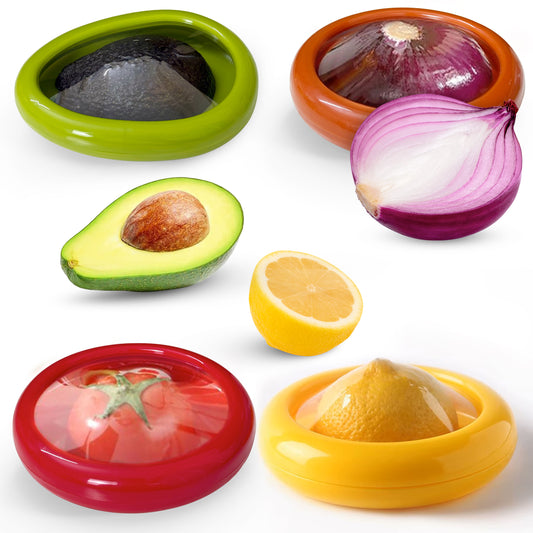
You may be wondering how silicone fruit and vegetable storage boxes save you money. Well, these containers are designed for fresh produce storage to help slow down spoilage. And by keeping air and moisture balanced.
When food stays fresh longer, less of it gets wasted. More of what is bought actually gets used at home. Over time, this leads to fewer grocery losses and better use of what is already in the kitchen.
How Food Waste Leads to Ongoing Money Loss
Every wilted leaf of spinach feels like a small leak in your savings. Nothing dramatic on its own, but the pattern builds quietly over time. Studies suggest a family of four can waste close to 30–40% of the fresh food they buy each year. It feels like a “garbage tax” that keeps showing up without warning.
Most of this loss starts with fresh items. You buy them with good plans, but timing shifts things. A busy week, a missed meal, and suddenly, fresh produce turns forgotten in the fridge.
Losing food is not only about the product itself. There is wasted effort too, like extra store trips and repeated buying of the same items. That cycle slowly drains value from the household.
Berries often see about 50% waste, leafy greens around 40%, fresh herbs can reach 70%, while seasonal vegetables sit near 20%. Put together, it forms a steady pattern of avoidable loss that adds up over time.
Why Plastic Wrap and Cheap Containers Fail to Keep Food Fresh
At first, plastic wrap and low-cost containers look like an easy solution. They are cheap and easy to find. But they do not keep food fresh for long, and spoilage happens faster than expected. Relying on a low-quality vegetable storage container often leads to premature decay because the seal is insufficient.
- Plastic wrap is not fully sealed. Air and moisture can still pass through. This speeds up food decay.
- Oxygen reaches the food and causes browning, soft texture, and loss of taste.
- Moisture inside weak containers becomes uneven. This leads to mold growth.
- Cheap plastics get weak over time. Scratches and heat make them break down faster.
- Some materials may release unwanted substances under heat or pressure.
- Most of these options work only for short storage, not for keeping food fresh for longer periods.
- How Silicone Containers Keep Food Fresh Longer
Switching to silicone changes how food behaves after it enters your kitchen. By implementing proper fresh produce storage habits, you get more control over time, freshness, and waste.
Airtight seal reduces waste
Silicone forms a tight seal that keeps air out. Less oxygen slows down spoilage at the source. Utilizing an airtight silicone box makes sure food does not degrade as quickly, so fewer items end up in the trash. That directly reduces repeated grocery spending.
Longer shelf life improves value
Fresh produce lasts several extra days, sometimes much longer. That small shift changes the value of every purchase. A single bag of greens or fruit yields multiple meals rather than a short-lived item that spoils too soon.
Moisture balance prevents food loss
Silicone helps keep internal moisture steady. Food does not drown in condensation or dry out early. Texture stays closer to fresh, which means fewer items are discarded just because they went bad too quickly.
Stable structure avoids replacement costs
The container keeps its shape under heat, cold, and daily use. The lid continues to fit properly over time. This reduces the need to buy replacements again and again, lowering long-term kitchen costs.
Less spoilage leads to lower grocery waste
When food stays usable for longer, waste drops naturally. Fewer forgotten items turn into losses. Over weeks and months, this creates a steady reduction in grocery bills without changing what you buy.
Silicone storage does not just hold food. It slows down loss, extends usability, and gives more control over how quickly things move from fridge to trash.
10 Best Silicone Fruit Storage Boxes
The 10 best silicone fruit storage boxes keep cut fruits fresh, organized, and protected from spills. Made from food-grade, reusable silicone, these containers are flexible, lightweight, and easy to clean. Many options feature airtight lids, compact designs, and dishwasher-safe construction, making them ideal for refrigerators, lunches, and travel.
| No | Brand Name | Model Number / ASIN | Best For | Specifications |
|---|---|---|---|---|
| 1 | SOOPLEU Fruit Storage Box | B0C284Q7V5 | Storing different types of half-cut produce |
|
| 2 | TQRR Fruit Storage Box | B0G132F76C | Preventing leaks and odor transfer |
|
| 3 | AWLGAK Fruit Storage Box | B0GT8TB8RJ | Dishwasher-safe everyday produce storage |
|
| 4 | Erehere Fruit Storage Box | B0DSLNPG97 | Versatile storage for fruits, vegetables and cheese |
|
| 5 | LPZXH Fruit Storage Box | B0F74NL2YS | Compact refrigerator organization |
|
| 6 | Nuogo Fruit Storage Box | B0DFQ5XF7X | Storing larger fruit portions and leftovers |
|
| 7 | MAJESTY WORLD Fruit Storage Box | B0DGKZSJZ6 | Reducing oxidation of cut produce |
|
| 8 | Rojoyal Fruit Storage Box | B0FNM7PVY8 | Home, office, picnic and camping use |
|
| 9 | halteoly Fruit Storage Box | B0CHPK5XYZ | Quickly identifying stored produce |
|
| 10 | Abnaok Fruit Storage Box | B0DXQ27DCS | Large fruits, vegetables and bulky leftovers |
|
How Longer-Lasting Food Reduces Repeat Grocery Spending
Buying the same item twice because the first one spoiled is one of the most common ways money slips away. It does not feel big in the moment, but it adds up quickly.
You plan a simple meal. You buy fresh greens for a salad. A few days later, they are no longer usable. So you go back to the store and buy them again. Now the same meal costs you twice.
This is the replacement loop. Food spoils, you replace it, and you keep spending on things you already bought once.
When food lasts longer, this cycle breaks. You start using what is already in your fridge instead of running back to the store. Grocery trips become less frequent, and shopping becomes more intentional.
Over time, you realize you do not need to buy as much food just to stay stocked. Less waste means fewer repeat purchases, and that directly lowers your weekly spending.
How Silicone Fruit and Vegetable Storage Boxes Save You Money by Lasting for Years
These storage boxes work like a one-time purchase that keeps paying you back over time. Instead of replacing them every few months, the same set stays in use for years.
Most kitchen containers do not last. Plastic stains easily, picks up smells, and turns cloudy. Eventually, they get thrown out and replaced. That cycle repeats again and again, and the cost keeps coming back.
Silicone breaks that cycle. It does not crack easily, and it does not lose its shape. You buy it once, and it stays useful for a long time, often many years. Fewer replacements means less money spent over time.
Resistance to Cracking and Warping
Cheap plastic often fails under heat. Dishwashers can warp lids, and even a small bend can ruin the seal. Once that happens, the container is no longer useful for keeping food fresh.
Silicone handles heat and cold without changing shape. It stays flexible and strong. It can be dropped, stacked, and washed without breaking. Long-lasting durability reduces the need to keep buying new containers.
Safe Use in Freezer, Microwave, and Dishwasher
Silicone works across different uses. Food can be frozen, reheated, and cleaned in the dishwasher without moving it between containers.
Fewer kitchen products are needed overall, including freezer bags and extra microwave dishes. Kitchen space stays less cluttered, and less time is spent transferring food between containers.
Over time, replacing disposable or fragile storage becomes less frequent, lowering cost and improving overall kitchen efficiency.
How Longer-Lasting Food Makes Bulk Buying More Affordable
Bulk prices are only a bargain if you can prevent the food from reaching the bin. Wholesale clubs offer amazing prices on large quantities. But a three-pound bag of peppers is a bad deal if you only eat one pound before they rot.
Most people shop at smaller stores and pay higher prices to avoid waste. They are paying a "convenience premium" because they don't trust their storage.
Using silicone food storage for fruits changes the game. You can buy the massive pack of blueberries. You can grab the giant bag of spinach. Because you know the food will stay fresh for two weeks, you can finally take advantage of bulk discounts. You are essentially getting a 30% discount on your entire produce bill just by changing how you store it at home.
How Better Visibility Helps You Use Food Before It Spoils
The back of the fridge is where money goes to be forgotten. Deep, dark corners are the enemies of a budget. When you can't see your food, you don't eat it.
You buy more of what you already have. This is why a sealed vegetable storage box with a clear design is so helpful. It brings order to the chaos.
Stackable designs let you use every inch of space. You can see your inventory at a glance. No more "mystery bags" at the bottom of the drawer.
When your fridge looks like a professional pantry, you become a more efficient cook. You use what you have. You waste nothing. You save everything.
Comparing the Long-Term Cost of Silicone, Plastic, Glass, and Steel
Every material has a price tag, but only one has the best return on investment. Glass is clean but heavy and fragile. One drop means the container and the food are gone. Stainless steel is tough but expensive and you can't see inside.
Plastic is cheap but fails quickly and carries health risks. Silicone sits right in the middle of the best features.
It is lighter than glass. It is more durable than plastic. It is more versatile than steel. When you look at the "cost per year of use," silicone wins by a mile. It is the smartest financial move for anyone looking to optimize their kitchen expenses over a five-to-ten-year window.
| Material | Initial Cost | Longevity | Risk of Breaking | Visibility |
| Plastic | $15 (Set) | 1 Year | High (Warping) | Good |
| Glass | $40 (Set) | 3 Years | High (Shatter) | Excellent |
| Steel | $60 (Set) | 10 Years | Low | None |
| Silicone | $50 (Set) | 10+ Years | None | Good |
How Replacing Disposable Bags and Wrap Reduces Daily Expenses
The "small stuff" adds up to big holes in your monthly budget.
Think about the boxes of plastic bags you buy. Think about the rolls of cling wrap. You use them for ten seconds, and then they go in the trash. You are literally paying for garbage. A family can easily spend $100 a year just on these disposable items. That is money that could be in your savings account.
Silicone boxes and bags replace these items forever. You stop the recurring expense. The "one-time" cost of silicone might seem higher at the store. But within a year, the product has paid for itself just by eliminating the need for Ziploc bags. From that point on, your storage is essentially free.
The Upfront Cost vs Long-Term Savings of Silicone Storage
It is easy to get sticker shock when looking at premium storage sets.
A good set of silicone containers might cost fifty dollars. A plastic set might be ten. But the ten-dollar set is an "expense." The fifty-dollar set is an "investment." One saves you money every single week. The other costs you money in spoilage and replacement fees.
Calculate your "Payback Period." If the silicone boxes save you just $15 a month in wasted food, they pay for themselves in less than four months. After that, they are "earning" you $180 a year for the next decade. That is the kind of math that leads to real financial freedom. Focus on the value, not just the price tag.
What to Look for When Buying High-Quality Silicone Containers
Not all silicone is created equal, and cheap fakes will ruin the experience.
Look for "Platinum Grade" or "LFGB Certified" labels. These are the highest standards for purity. Avoid anything that feels "flimsy" or has a strong chemical smell. High-quality silicone should be thick and have a matte finish. It should feel substantial in your hand.
Try the "Pinch Test." Twist a piece of the silicone. If the color stays the same, it is pure. If it turns white, it has plastic fillers. Fillers reduce the lifespan of the container and can leach odors. Spending a few extra dollars on pure silicone ensures that your investment actually lasts for the ten years promised.
Common Mistakes That Reduce Food Storage Efficiency
Even the best container needs a smart user to reach its full potential. Do not wash your produce until right before you eat it. Moisture is the fuel for mold. If you must wash it, make sure it is bone-dry before it goes into the container.
Another mistake is mixing different types of fruit. Some fruits give off gases that make other vegetables wilt. Keep your "gas-producers" like apples and tomatoes in their own separate boxes.
This prevents cross-contamination of spoilage. Also, make sure the seals are clean. A tiny crumb on the edge of a lid can break the airtight seal. Keep it clean, keep it dry, and keep it separate.
Frequently Asked Questions (FAQs)
It is okay to have a few more questions. After all, you are protecting your hard-earned money. Let’s clear up those final doubts so you can start saving.
Does silicone actually keep berries fresh longer?
Absolutely. Silicone creates an airtight barrier that stops oxidation. It regulates moisture so berries stay firm instead of turning into mush. By extending their life by a week, you stop buying expensive replacements. This keeps more money in your wallet every single month for good.
Is the higher price really worth the investment?
Think of it as a one-time purchase for a decade of savings. Plastic containers warp and crack, forcing you to buy more. Silicone lasts almost forever. You will save hundreds on groceries and replacement bins. It is a smart move for your long-term family budget.
Can I use these containers in the freezer?
Yes. Silicone handles extreme cold without becoming brittle like plastic. It protects your food from freezer burn, which saves you from tossing out expensive frozen vegetables. This versatility means you need fewer specialized bags. One box does everything, saving you storage space and extra cash.
How do I remove stubborn food odors?
Sometimes strong smells linger in the material. Simply soak your container in a mix of white vinegar and water. You can also use a baking soda paste for a deep clean. Proper maintenance keeps your boxes fresh and helps your investment last for many years.
Is silicone safer than using cheap plastic?
Safety is a huge part of the value. Silicone is non-toxic and contains no BPA or harmful fillers. It won't leach chemicals into your produce when heated. Choosing a safer material prevents potential health costs. You get peace of mind and a better-performing kitchen product.
Do these boxes take up much room?
Many sets feature a smart, collapsible design. They fold down flat when you are not using them. This saves valuable cabinet space in your kitchen. Efficiency is about more than just money. It is about making your daily home life easier and much more organized.
Ready To Spend Less With A Silicone Storage Box
How silicone fruit and vegetable storage boxes save you money depends on two things. Better freshness retention and reduced food waste over time.
The results may differ slightly from kitchen to kitchen, but the main idea stays the same. Silicone boxes help keep fruits and vegetables fresh for longer by controlling airflow and moisture.
They also make storage more organized, so it is easier to see and use food before it spoils or gets forgotten. Over time, this leads to less waste. You throw away less food. You buy fewer replacements. Grocery trips become less frequent.
Savings build slowly but steadily. It may not feel big at first, but it adds up each week. In the long run, you use more of what you buy. You get better value from every grocery trip.