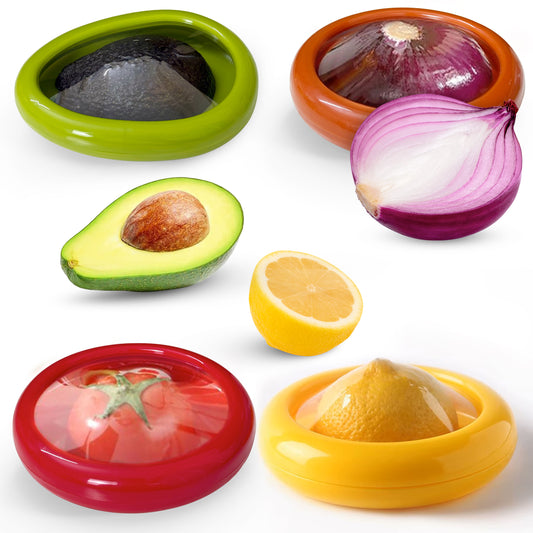
How Silicone Fruit and Vegetable Anti Oxidation Storage Boxes Keep Your Produce Fresh
You slice an apple for later. A few hours pass, and it turns brown and dry. Anyone would lose the desire to eat it.
Air is the main reason. Once fruit or veggies are cut, oxygen hits the surface and starts oxidation. Flavor fades, color changes, and texture weakens. Many containers leave small air gaps, which makes this process move faster.
So, how do silicone fruit and vegetable anti-oxidation storage boxes keep your produce fresh? It’s quite simple, really. The soft silicone molds closely around the food. This cuts down air contact and holds in natural moisture.
As a result, your produce stays fresh, crisp, and appealing for longer. With a small change in how you store food, you can waste less and enjoy more every day.
Understanding Why Produce Spoils
Nature has a plan for fruit and veggies. That plan often ends in rot. Once picked, a slow countdown begins. Three things drive it: air, ethylene gas, and moisture.
Inside each apple or leaf, tiny enzymes stay active. Cut or bruise the surface, and they react with oxygen. This causes browning. It’s why a sliced potato turns gray on the counter.
At the same time, the plant keeps “breathing.” It uses stored sugars and releases carbon dioxide. This is called respiration. Here’s the key point. Ripening is a form of slow aging.
When breathing speeds up, food breaks down faster. Texture softens. Flavor fades. Slow that process, and you extend freshness. Control air and moisture, and your produce stays better, longer.
- Oxygen: Fuels the fire of decay.
- Ethylene: The "aging hormone" that tells fruit to ripen and rot.
- Moisture: Too much leads to mold; too little leads to wilting.
How Anti-Oxidation Storage Boxes Keep Your Produce Fresh
You might wonder why a simple box can make such a big difference. The answer is in how the material interacts with the environment inside your fridge. Silicone fruit and vegetable anti-oxidation storage boxes keep produce fresh by creating a physical barrier that regular plastic bags can’t match.
These containers act like a protective skin. They help control how gases move between the food and the air. Regular plastic bags often trap too much moisture or let in too much oxygen. Silicone, on the other hand, is more stable and balanced.
It helps maintain a steady environment, preventing sudden changes in gas levels that speed up ripening. In short, you are not just storing food, you are slowing down the natural aging process and keeping it fresher for longer.
Food-Grade Silicone vs Plastic: Why Your Choice Matters
Plastic has ruled our kitchens for years. But its reign is ending. Cheap plastic tubs often leak chemicals into your snacks. They stain and hold onto old smells. Finding the best silicone storage box for vegetables means choosing a cleaner path. Silicone is a different beast entirely. It does not leak. It simply protects.
Non-Reactive Properties: Preventing Chemical Leaching
High-quality gear uses food-grade silicone made from common sand. It is chemically inert. This means it won't react with acidic lemons or tomatoes. You won't find any BPA or phthalates here. Since the surface is non-porous, bacteria cannot hide in tiny cracks. Your food stays pure. It tastes exactly like it should.
Thermal Stability: From Freezing to High Heat
Silicone handles extreme temperature shifts without flinching. It stays flexible in the freezer. It does not melt in the dishwasher. Most cheap tubs warp over time, but silicone keeps its shape for years. This makes sure your airtight seal remains perfect. It is a smarter investment, especially if you want a long-lasting produce storage that hardly needs replacing.
The Performance Bridge
Reliable tools make healthy eating much easier. When you trust your containers, you waste less food. But the material is only half of the story. The way the lid seals is where the real magic happens. Let’s look at the mechanical genius behind the design.
The Mechanics of Anti-Oxidation Technology in Storage Design
These boxes are clever. They use smart design to fight the air that rots your food. Every curve is built to stop aging. Using a food storage box with anti-oxidation features means you win the war against decay. Think of it as a high-tech fortress for your berries.
Most lids just sit on top. Better designs lock air out for good. Oxygen ruins a crisp salad almost instantly. Cheap tubs use one thin flap that leaks when the plastic warps. Instead, a high-quality fruit storage container with seal technology uses a double-lip gasket.
Just think of a double-lock on your front door. When you press the lid down, the silicone squishes into every tiny gap. This creates a deep barrier that air cannot cross.
It blocks the "oxygen highway" that leads to brown spots. Simple mechanics solve a very messy biological problem. Some boxes let you pull the air out yourself. This is a total change for freshness. These containers have a special valve on the lid.
By removing oxygen, you starve the bacteria that cause mold and slime. Such engineering makes your life easier. You stop guessing and start knowing your food is safe. But air is not the only enemy. Now, let’s look at the invisible gases.
Managing the "Ethylene Factor" in Airtight Environments
Ripening is contagious. One bad apple really does spoil the whole bunch because of ethylene gas. Choosing a dedicated silicone storage box for fruit lets you group high-ethylene producers together safely. This invisible hormone is released by some fruits and sensed by others.
If you put an ethylene-producing peach next to ethylene-sensitive lettuce, the lettuce will turn yellow in hours. Anti-oxidation boxes help by isolating these gases. They prevent cross-contamination between different types of produce. However, you must know which items to group together. Here is a comparison of climacteric vs. Non-Climacteric produce:
| Produce Type | Ethylene Level | Sensitivity | Storage Strategy |
| Apples | High | High | Store alone; keep sealed |
| Bananas | Very High | High | Keep away from greens |
| Leafy Greens | Low | Very High | Keep in an airtight silicone |
| Berries | Very Low | Medium | Keep dry and sealed |
| Broccoli | Very Low | High | Use ventilation vents |
Why Controlling Moisture is Key
Oxygen isn't the only thing that ruins a salad. Moisture is a double-edged sword. If a vegetable gets too dry, it wilts up. If it stays too wet, it grows mold.
Internal Drainage Grids: Keeping Produce Elevated
Condensation is a natural result of cooling. In a flat-bottomed container, this water pools at the bottom. Your carrots then sit in a puddle, which leads to mushy ends. Smart silicone boxes include an internal drainage system. A raised grid or tray keeps the food half an inch above the floor of the box. Any excess water drips down, keeping the surface of the vegetable dry.
Adjustable Ventilation: When to Toggle Airflow
Not every vegetable wants a total vacuum. Some need to breathe just a little bit. High-end boxes feature airflow vents. You can slide these open for "heavy breathers" like mushrooms. You keep them closed for "moisture-lovers" such as asparagus. This humidity regulation is the key to professional-level food preservation at home.
Comparative Analysis: Silicone vs. Plastic vs. Glass vs. Beeswax
Choosing the right tool requires looking at the facts. Not all storage methods are created equal. Some are better for the planet, while others are better for your fridge space.
| Metric | Silicone Boxes | PET Plastic | Borosilicate Glass | Beeswax Wraps |
| Oxygen Barrier | Excellent | Poor | Good | Moderate |
| Durability | Lifetime | Low | Medium (Breaks) | 6-12 Months |
| Leaching Risk | Zero | High | Zero | Low |
| Space Saving | Nestable | Bulky | Bulky | Excellent |
| Recyclability | Specialized | High | High | Compostable |
One Size Doesn’t Fit All: How to Store Each Type of Produce
Different foods have different needs. You cannot treat a strawberry like a potato. To get the most out of your 3000-word investment in food knowledge, follow these specific rules.
Leafy Greens: Managing Surface Moisture
Spinach and arugula are mostly water. They wilt because they lose turgidity. To keep them crisp, wash them and then use a salad spinner. You want them damp, not soaked. Place them loosely in a large silicone box. Do not pack them down. Closing the airtight seal prevents the leaves from losing their internal water to the dry fridge air.
Cruciferous Vegetables: Preventing Sulfur Odor Buildup
Broccoli, cabbage, and cauliflower release sulfur as they sit. In a sealed bag, this makes them smell terrible. Use a silicone box with the vent slightly cracked. This allows the sulfur to escape while the thick silicone walls prevent the smell from filling your entire refrigerator.
Berries and Stone Fruits: Controlling Fungal Spore Proliferation
Berries are prone to mold. Never wash them until right before you eat them. Moisture triggers fungal growth almost instantly. Place them in a silicone box with a drip tray. The vacuum valve is great here, as it removes the oxygen that mold needs to grow.
Pre-Cut Produce: Minimizing Exposed Surface Oxidation
Chopping a vegetable is like opening a wound. The exposed surface area is huge. This is where enzymatic browning happens fast. If you prep your onions or peppers on Sunday, they must go into a vacuum-sealed silicone container immediately. Removing the air stops the edges from turning brown and keeps the flavor sharp.
Silicone Fruit and Vegetable Anti Oxidation Storage Boxes
Silicone fruit and vegetable anti-oxidation storage boxes help keep cut produce fresher by reducing air exposure, fridge odor, and moisture loss. For Shopify, this table works well as a product comparison section, buying guide, or SEO content block targeting shoppers who want reusable avocado, onion, lemon, tomato, and produce savers.
| Brand Name | Product Model | Best For | Specifications |
|---|---|---|---|
| Food Huggers | 5pc Reusable Silicone Food Savers | Best overall reusable produce saver |
|
| OXO | Good Grips Cut & Keep Silicone Lemon Keeper | Best for lemons and small citrus |
|
| OXO | Good Grips Cut & Keep Silicone Onion Keeper | Best for storing half onions |
|
| Joie | Fresh Stretch Pod Lemon Storage Container | Best budget lemon saver |
|
| Joie | Fresh Stretch Pod Tomato Storage Container | Best for tomato halves |
|
| RED WORLD | Silicone Avocado Saver 4PCS Multi-Use Food Saver | Best multi-use set for avocado, onion, lemon, and tomato |
|
| Zyphora | 5-Piece Avocado Saver and Tomato Holder Set | Best set with extra kitchen tool |
|
| Lovfult | Onion Storage and Avocado Saver 4-Piece Set | Best for mixed produce storage |
|
| Babudeer | Vegetable and Fruit Storage Containers for Fridge 4 Pcs | Best plastic-style shaped produce containers |
|
| Stasher | Reusable Silicone 4-Pack Starter Kit | Best premium silicone storage bags |
|
Step-by-Step Guide: Proper Preparation Before Sealing
Success starts before you close the lid. Always dry your greens before placing them into the silicone box for vegetables. Follow this simple routine to double your food's lifespan.
-
Sort: Remove any pieces that are already bruised or soft. One moldy berry will kill the rest.
-
Wash: Use cool water to remove dirt and bacteria.
-
Dry: This is the most important step. Use a compact rotary spinner or a clean towel. Surface moisture is the enemy.
-
Chill: If the produce is warm from the garden, let it cool before sealing. This prevents steam from forming inside.
-
Seal: Place in the box, engage the hermetic compression, and pull the vacuum if your model has one.
Longevity and Hygiene: Maintaining Your Silicone Storage System
Silicone lasts a long time, but you have to treat it right. It is a hydrophobic surface, meaning it repels water but can sometimes hold onto oils.
Deep Cleaning: Removing Hydrophobic Oil Residues
If your box feels greasy, a simple rinse won't work. Use a grease-cutting dish soap and warm water. For a deeper clean, you can boil the silicone components. This kills 99.9% of bacteria and removes any deep-seated odors.
Eliminating Persistent Odors and Stains
Did you store onions? Sometimes the scent lingers. To fix this, make a paste of baking soda and water. Rub it on the inside and let it sit for half an hour. Rinse with vinegar. The smell will vanish. For stains from carrots or turmeric, leave the box in direct sunlight for a few hours. The UV rays act as a natural bleach.
Buyer’s Checklist: Identifying Authentic Food-Grade Silicone
Not all "silicone" on the internet is real. Some manufacturers use cheap fillers to save money. These fillers can be harmful.
-
The Pinch Test: Twist or pinch a flat surface of the silicone. If the color turns white, it has plastic fillers. Pure silicone stays the same color.
-
Certifications: Look for FDA-approved or LFGB standards. LFGB is the stricter European standard.
-
Wall Thickness: High-quality boxes have thick, sturdy walls. They should not feel like a flimsy balloon.
-
Gasket Quality: Check that the seal is removable for cleaning. If it is glued in, mold can grow behind it.
Frequently Asked Questions (FAQs)
It is totally normal to wonder how these boxes handle everyday kitchen life. Here are the answers to the most common things people ask when they start their freshness journey.
Can these boxes stop strong onion odors?
Yes. Food-grade silicone is thick and non-porous. It traps sulfur compounds from onions or garlic inside the box. Your fridge stays smelling like a fresh garden, not last night's meal. The airtight seal ensures no odors escape into your milk or butter.
How well do they stop apples from turning brown?
They work incredibly well. By removing oxygen, you stop the chemical reaction that causes browning. A sliced apple can stay white and crisp for several days. In a standard bag, it would turn brown in hours. It is a game-changer for school lunches.
Are these containers easy to clean?
Absolutely. Most silicone boxes are dishwasher safe. They can handle high heat without warping or melting. You can also boil them for a deep clean. This makes it easy to remove any bacteria or stains between uses. They stay looking brand new for years.
Will they take up too much room in my fridge?
Not at all. Many designs are nestable or stackable. Because the silicone is flexible, they fit into tight spots better than glass. You can organize your fridge by color or size. This makes it much easier to see what you have before it goes bad.
Can I heat food inside them?
Yes, usually. Silicone is very heat-resistant. You can pop the lid into the microwave to steam veggies quickly. Just remember to open the vacuum valve first. This lets the steam escape safely so the lid does not fly off during the cooking process.
Do these boxes prevent ethylene gas build-up?
They help you manage it. By sealing produce individually, you stop ethylene from spreading to sensitive greens. Using the adjustable vents allows heavy-breathing produce to vent gas while staying moist. It is the best way to keep your "good" apples from ruining the bunch.
Choose Silicone for a Waste Free Kitchen
Food is valuable, and wasting it feels wrong. Using better storage helps protect your food and your money. Silicone anti-oxidation boxes do more than store food.
They help keep fruits and vegetables fresh for longer. This means your lettuce stays crisp and your berries stay sweet. Start with one or two boxes and see the difference in a week.
Your fridge will stay more organized, your food will last longer, and you will throw away less. It is a simple way to reduce waste and take better care of your groceries.