How to Use a First-In, First-Out Fridge System to Reduce Food Waste
A new yogurt pack goes into the fridge. The older cups slide toward the back. A week later they are still there, hidden behind newer food.
The same thing happens to cooked rice and half-used vegetables. A FIFO fridge system gives each item a clear place in line. Older food stays visible while new groceries wait behind it.
This guide explains the full setup. It covers safe fridge zones and useful date labels. It also shows how a small weekly reset can reduce food waste without adding much work.
What FIFO Means at Home
FIFO means first in, first out. The item that enters storage first should normally leave first. The same stock rotation rule works in a home refrigerator.
In simple terms the older food moves forward. The newer food sits behind it. Each person sees the food that needs attention before opening a fresh pack.
The date that starts the line can change. Unopened food may follow its purchase date or printed date. Leftovers should follow their prepared date while an open sauce may follow its opened date.
When FEFO Comes First
FIFO does not settle every choice. The FEFO method means first expired, first out. It gives priority to the item with the shortest time left.
For example a newer yogurt may have an earlier use-by date. It should move ahead of an older cup with more time left. This small change makes the food rotation system more useful for mixed dates.
Food condition still comes before either rule. A damaged pack or unsafe item should leave storage. Rotation never makes spoiled food safe.
Why Food Gets Lost
Deep shelves can hide small tubs behind milk jugs and large dishes. Opaque boxes also hide their contents. Poor visibility turns safe food into forgotten leftovers.
Missing food date labels create another problem. A tub marked “pasta” gives no clue about its age. Nobody knows if it came from last night or much earlier.
New food often fills the easiest open spot after shopping. This pushes older stock deeper into the fridge. It can also lead to duplicate purchases because the family cannot see what it owns.
These causes point to the same answer. Good refrigerator organization must make age and location clear. Safe storage comes before that new layout.
A Safe Fridge Comes First
A rotation plan manages order. Cold storage manages temperature and food safety. Both parts matter because neat shelves cannot protect food in a warm fridge.
The EPA guide to preventing wasted food at home says a refrigerator should stay at 40°F or below. A separate thermometer can show the real refrigerator temperature when the control dial is vague.
The fridge door is the warmest zone. Condiments suit that space better than milk or eggs. Lower refrigerator shelves are colder and work better for raw meat storage.
Raw meat and seafood also need a sealed pack or leak-proof tray. The tray limits drips onto ready-to-eat food. This lowers the risk of cross-contamination.
Some space should remain around containers. Open gaps help cold air move and keep labels visible. Food that smells wrong or has unsafe storage history should not return to a shelf.
Now the cold space has a safe base. The next task gives every item a place and a priority.
Build a FIFO Fridge System
The first setup can happen one shelf at a time. This keeps food out of the cold for a shorter period. It also makes the job feel smaller.
1. Review One Zone
Food from one shelf can enter three groups. One stays in normal rotation while another needs quick use. Unsafe or spoiled items leave the fridge.
Dates and package condition guide this first sort. A doubtful item should follow official storage advice for that food. Guesswork is not a safe part of FIFO food storage.
2. Group Similar Food
Separate lanes work well for dairy products and drinks. Other lanes can hold leftovers or sauces. Food then competes for attention with items that have a similar purpose.
This setup also reveals duplicates. Two open jars can sit together instead of hiding on different shelves. The older jar moves forward before another jar gets opened.
3. Add Useful Dates
Different foods need different storage dates. Packaged groceries may use a printed date. Cooked food needs the date it was made while an opened item may need the date its seal broke.
A short label can show the food name and date. It may also show a planned use or freeze date. Date dots and dry-erase labels both work.
4. Put Older Food First
Older safe food belongs near the front. New food goes behind the matching item. This front-to-back order forms a clear first out method.
Shelf depth still matters. Small cups can stand in a shallow row or clear tray. That layout stops a tall carton from blocking them.
5. Add an Eat-First Bin
An eat-first bin holds food with little time left. Ripe produce and open dairy may enter it. Older leftovers can join when they still meet safe storage limits.
The bin should stay small and easy to see. A full bin becomes another hiding place. One meal from it should create room for the next urgent item.
6. Restock From the Back
The rotation happens again after every grocery run. Existing products stay forward. Matching new groceries go in back without covering the old labels.
This habit may take one extra minute. Yet the next choice is already visible. Simple visual cues remove the need to remember each purchase.
7. Share One Rule
A household routine works when people understand it. One shelf note can say “older food first.” Children and guests can follow that line.
The same rule should apply after snacks and meal prep. Food returns to its group and the oldest safe item stays forward. The layout now supports the habit each time the door opens.
Food by Fridge Zone
FIFO controls order inside each area. Fridge zones control temperature and leak risk. The two systems work together through this simple layout.
|
Fridge area |
Suitable food |
Rotation action |
Main reason |
|
Upper shelf |
Drinks and ready-to-eat food |
Keep older items near the front |
High visibility supports quick use |
|
Middle shelf |
Leftovers and dairy |
Arrange clear containers by date |
Daily foods stay easy to reach |
|
Bottom shelf |
Raw meat and seafood |
Put the closest cook-or-freeze date first |
Low storage limits drip risk |
|
Crisper drawers |
Fruits and vegetables |
Rotate by ripeness and purchase date |
Humidity affects produce quality |
|
Fridge door |
Condiments and stable drinks |
Move older bottles toward the front |
The door has wider temperature changes |
|
Freezer |
Food not needed soon |
Add the contents and freeze date |
Labels prevent forgotten packages |
Large tubs should not block small items. Clear food containers reveal both the meal and label. Transparent storage works best when each box has one place. Crisper drawers also need separate care. Some fruits release ethylene gas as they ripen. That gas can make nearby produce ripen faster, so sensitive items may need a separate space.
Dates That Make Sense
Printed dates do not all mean the same thing. A sell-by date mainly helps a store manage stock. A best if used by date usually speaks to quality rather than an automatic safety cutoff.
Federal rules treat infant formula differently. Its use-by date must receive special care. State rules and product directions may also affect how another item should be handled.
Prepared food needs a simple homemade label. The meal name and prepared date give it an identity. A use-or-freeze note can add a clear next action.
An opened date helps with jars and dairy. The package date may assume the seal is still closed. Once opened the maker’s storage directions may set a new limit.
Freezer labels need the food name and freeze date. Freezing does not erase poor handling before the food froze. The FoodKeeper app offers storage guidance by food type.
Clear dates create the order. Food type then decides how that order works in daily life.
Rotation by Food Type
Every food group moves through the fridge at a different speed. Prepared meals follow cooking dates while produce also follows ripeness. Dairy products and raw proteins need their own lanes. These small changes keep each rotation order clear and protect food quality.
Leftovers and Meal Prep
Leftover storage starts with a shallow covered container and a prepared date. Smaller portions cool faster than one deep pot. They also make one lunch easy to remove without warming the full batch.
Food that will not be eaten soon may suit the freezer. A portable food vacuum sealer can reduce package bulk and help protect food quality. The sealed bag still needs a name and freeze date.
Fruits and Vegetables
Produce storage follows age and ripeness. A ripe avocado may need attention before an older carrot. This is a useful example of first expired first out in a home fridge.
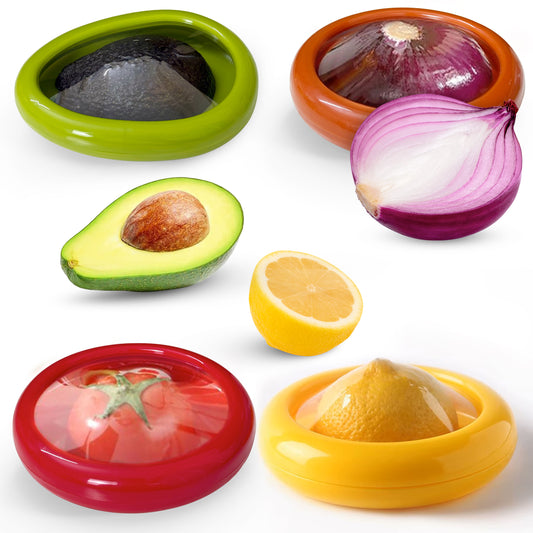
Half-used onions and lemons can disappear inside loose wrap. Reusable produce storage boxes can keep cut pieces together. Their spot should remain near the front so the container stays visible.
Berries and grapes often last better when washed near the time of use. Extra surface water can support mold. A damp or damaged piece should also leave the group before it affects nearby food.
Dairy and Eggs
Milk and eggs belong in a cold main section instead of the door. Older yogurt and cheese move forward after shopping. Opened packages receive priority when their maker gives a shorter period after opening.
The shelf should keep every product label and date visible. A nearly empty milk carton can stand ahead of a sealed one. Cracked eggs or damaged packs should leave normal rotation and follow safe handling advice.
Meat and Seafood
Raw meat needs a purchase date and a cook-or-freeze plan. It stays inside a leak-proof tray on a lower shelf. Ready-to-eat meals stay above it.
Chicken and beef need secure packages when leaks are possible. The same applies to pork and seafood. The item with the earliest safe-use limit moves forward while the others remain behind it.
Food that will not be cooked in time may suit the freezer. Its new label should show the food name and freeze date. Freezer storage does not erase unsafe handling from earlier steps.
Sauces and Condiments
Matching sauces belong together. Nearly empty bottles move forward before a second bottle opens. A quick wipe of the cap also makes damage or mold easier to spot.
An opened date helps when two jars look the same. Condiments that need refrigeration should follow their maker’s directions. A swollen lid or broken seal needs attention.
Visible mold also removes the item from normal rotation. Old and new bottles should never combine inside one container. Separate bottles preserve their original labels and storage history.
The Weekly Fridge Reset
A five-minute weekly reset keeps stock rotation active. It starts with the use-it-up shelf or eat-first area. Each safe item there receives a meal or snack plan.
Food that will not fit the plan may move to the freezer. The fridge inventory then loses finished items and gains urgent ones. This makes meal planning match the food already at home.
One use-up meal can handle small amounts of safe food. Soup may use soft vegetables while an omelet can use a little cheese. Pasta can hold cooked meat or an open sauce.
The grocery list comes last. The family can shop the fridge first and remove items already in stock. This helps avoid duplicate purchases and lowers household food waste.
Common FIFO Mistakes
Several small errors can break a good fridge organization system:
-
New products cover older labels.
-
Every urgent item enters one crowded bin.
-
Leftovers have names but no dates.
-
Raw food sits above cooked meals.
-
A new jar opens before the old one is empty.
-
Sealed food gets treated as new food.
-
Shelves become too full for cold air and clear sight lines.
-
Printed quality dates get treated as one universal safety rule.
Too many tools can also weaken the habit. A large set of colors and codes may confuse the family. One clear label style and a few fixed zones are easier to maintain.
A Sunday Grocery Example
A normal Sunday food shop offers a clear example. The old yogurt moves in front of the new pack. Tuesday’s pasta enters the eat-first area.
Half an onion goes into its marked container. Chicken sits low inside a leak-proof tray. Soft vegetables become part of Monday’s soup while extra bread moves to the freezer.
The current eggs remain on the inventory list, so another carton leaves the shopping plan. Every item now has a location or next action.
Measure the Difference
A small food waste log can show if the method works. It may record the item and amount thrown away each week. An estimated cost can reveal the effect on the household budget.
Four weeks may show a useful pattern. Frequent produce waste can point to overbuying. Repeated cooked-food waste may mean that portions or weekly plans need to change.
Five Useful FIFO Fridge Gadgets
A few well-known tools can make food rotation easier. Each product solves a different problem such as unclear dates, hidden containers, poor produce storage, or an unsafe fridge temperature.
|
Product name |
Main use |
Best features |
|
Brother P-touch PT-D210 Label Maker |
Creates clear date and food labels for containers |
One-touch keys, 27 label templates, several font styles, and easy-to-read printed labels |
|
OXO Good Grips Fridge Organization Bin |
Groups similar food into clear FIFO lanes |
Clear walls, long 8-by-14-inch shape, smooth base, and easy access to older items |
|
Rubbermaid FreshWorks Produce Saver |
Stores unwashed fruits and vegetables |
FreshVent airflow filter, elevated base, modular shape, and dishwasher-safe design |
|
ThermoWorks SPOT Fridge Thermometer |
Tracks refrigerator temperature over time |
Large display, minimum and maximum readings, backlight, and long battery life |
|
FoodSaver Elite All-in-One Liquid+ Vacuum Sealer |
Seals leftovers and freezer food in compact bags |
Six sealing settings, retractable handheld sealer, automatic operation, and support for several food types |
Frequently Asked Questions
These short answers cover issues that often appear after the first setup. They also help the system fit different homes and food habits.
Is FIFO the Same as FEFO?
No. FIFO follows the order that items enter storage. FEFO follows the item with the earliest expiry or safe-use priority. Home fridges often need both rules because package dates can differ.
What Date Goes on Leftovers?
The label should show the date the meal was prepared. A second note can show the planned use or freeze date. The food name helps when the container hides its contents.
Can FIFO Work in a Small Fridge?
Yes. Narrow food groups and one small use-it-up shelf can work in little space. Stackable clear containers can improve sight lines as long as they do not block cold-air vents.
How Often Should Food Be Rotated?
Rotation should happen after each grocery trip. A weekly fridge reset can handle items that changed during the week. Opened foods and ripe produce may need attention sooner.
Should Produce Be Washed Before Storage?
The answer depends on the food. Berries and grapes often keep better when washed near use because extra moisture can support mold. Produce should still follow its own safe storage guidance.
Does Vacuum Sealing Reset the Date?
No. Airtight containers or vacuum bags can support storage quality for suitable foods. They cannot erase the purchase date or prepared date. Safe temperature and handling still control the result.
Get Your Fridge in Order
Less food can disappear behind new groceries once every item has a clear place. Older products stay at the front. New items wait behind them until their turn comes.
A dated label removes the guesswork from leftovers and opened packages. The eat-first bin also shows which foods need attention soon. Safe fridge zones keep the whole setup easy to follow.
One shelf is enough for the first reset. A few minutes can sort the food and mark the dates. The same short review each week keeps clutter from building again.
DoubleWave storage tools can help keep leftovers and cut produce easy to see. Clear containers also make meal plans faster. A simple FIFO fridge system can protect the grocery budget and help every safe item reach the table.