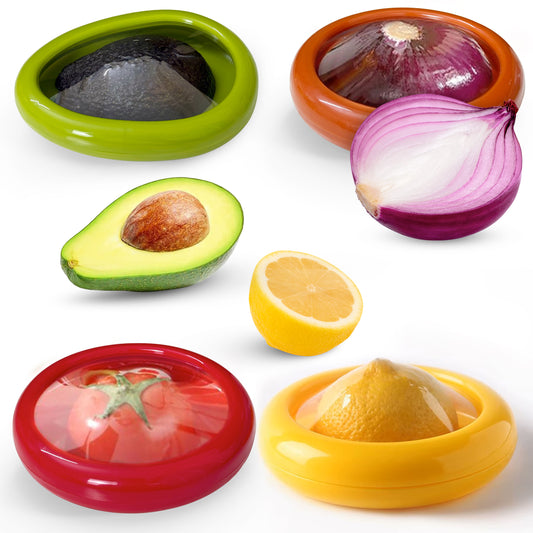
Why You Should Consider Silicone Storage for Your Produce
Do you ever open your fridge with high hopes, only to find disappointment? The crisp lettuce you bought is now a sad, wilted pile. Those bright red strawberries have turned soft and unappealing. It is a frustrating feeling that happens in kitchens everywhere. This leads to so much wasted food and, of course, wasted money.
But imagine a different story. Imagine your produce staying vibrant and fresh for days longer. What if the solution was also better for your health and for our planet? If you are tired of this cycle of waste and want a better way, it's time to learn why you should consider silicone storage for your produce.
This guide will be your complete resource. We will explore everything about silicone containers. We will see why they are a safe, durable, and smart choice for every modern home. Prepare to transform your kitchen and say a final goodbye to spoiled produce.
What Exactly is Food-Grade Silicone? The Safe Choice for Your Family

Before we dive into all the benefits, let's get to know the material itself. What is this silicone that everyone is talking about? It is important to know that it is not a type of plastic. It is a unique material with incredible properties that make it perfect for food storage.
The material used in kitchens is called food-grade silicone. It is primarily made from silica, a natural element found in sand and quartz. This natural origin is a big part of what makes it so safe. Most importantly, high-quality silicone is free of harmful chemicals. It does not contain BPA, PVC, phthalates, or lead, which can sometimes be found in plastic products.
This means you can store, freeze, or even heat your food without any fear. No dangerous chemicals will leach into your family's meals. This level of safety provides incredible peace of mind, making it a trustworthy choice for your home.
Not All Silicone is Created Equal: Platinum vs. Standard Grade
When you shop for silicone products, you might see the term "platinum silicone." This refers to the highest quality available. Platinum silicone uses a special curing process that results in a purer, more durable final product. It has no chemical by-products, making it the top choice for food contact. While other food-grade silicone is still safe, platinum silicone is the premium standard.
The Pinch Test: A Simple Trick to Spot Quality
How can you tell if a silicone product is high quality? There's an easy trick you can do right in the store. It is called the pinch test.
Simply take a bit of the silicone and pinch it firmly, giving it a good twist. Look at the color where you twisted it. If the silicone keeps its color, it is likely pure silicone. If it turns white, it probably contains cheap chemical fillers. Always choose the products that pass the pinch test.
How Silicone Extends the Life of Your Produce (The Science of Freshness)
So, what is the secret behind silicone's ability to keep food so fresh? It is not magic, but rather smart science. The design and material properties of silicone create the perfect environment to preserve your fruits and vegetable storage.
The Power of an Airtight Seal
The number one feature that fights spoilage is an airtight seal. Silicone is naturally flexible and pliable. This allows bags and container lids to form an incredibly tight seal that locks out air.
Why is this so important? Air is what causes oxidation. Oxidation is the process that turns a cut apple brown and breaks down vitamins and nutrients. By preventing air from reaching your food, you dramatically slow down this process. This helps maintain the food's color, flavor, and nutritional value.
Controlling Moisture and Ethylene Gas
Proper produce storage is a delicate balance of moisture. Too much makes things rot, while too little makes them wilt. The airtight seal on silicone containers traps the natural moisture of the produce, preventing it from drying out. This keeps your carrots crunchy and your celery crisp.
Another factor is ethylene gas. Many fruits, like bananas and apples, release this natural gas as they ripen. Ethylene signals to other nearby produce to ripen faster, which can lead to rapid spoilage. A sealed silicone container traps this gas, isolating the produce and protecting everything else in your fridge from its effects.
Silicone vs. The Alternatives: A Clear Winner for Your Kitchen
To truly understand the value of silicone, it helps to compare it directly to other common food storage options like plastic and glass.
Here is a simple breakdown of how they stack up against each other.
| Feature | Silicone Containers | Plastic Containers | Glass Containers |
| Safety | Excellent. Made from food-grade material. Free of BPA, PVC, and phthalates. No chemical leaching. | Varies. Cheaper plastics may contain BPA or other chemicals that can leach into food, especially when heated. | Excellent. Naturally non-toxic and free of chemicals. Does not leach anything into food |
| Durability | Does not crack, warp, or become brittle. It is virtually unbreakable and lasts for years. | Fair. Can easily crack, stain, warp from heat, and become cloudy or brittle over time. | Poor. Very fragile. Can easily chip, crack, or shatter if dropped or bumped. |
| Temperature Range | Safe for the freezer, microwave, dishwasher, and even the oven. Handles extreme heat and cold. | Poor to Fair. Can become brittle in the freezer and may melt or warp in the microwave. Not oven-safe. | Good. Safe for the freezer, microwave, dishwasher, and oven (if the glass is oven-safe rated). |
| Weight & Portability | Excellent. Very lightweight and flexible, making it perfect for packing lunches and travel. |
Excellent. Also very lightweight and easy to carry. |
Poor. Very heavy and bulky, which makes it less convenient for carrying on the go. |
| Sustainability | Highly reusable, replacing thousands of single-use plastics. Has a very long lifespan. | Poor. Often designed for single-use or has a short lifespan, contributing significantly to landfill waste. | Good. Reusable for a long time if it does not break. It is also recyclable. |
| Convenience & Storage | Flexible and often collapsible, making it very easy to store even in crowded drawers or cabinets. | Good. Often stackable, but its rigid shape can take up a lot of space. | Fair. It stacks well but is rigid and heavy, taking up significant cabinet and fridge space. |
As the table shows, while glass is safe, it lacks durability and convenience. And while plastic is lightweight, it falls short on safety, durability, and sustainability. Silicone combines the best of all worlds: it is safe, incredibly durable, and convenient for every part of your daily routine.
A Sustainable and Eco-Friendly Kitchen Staple
Making the switch to silicone is more than just a kitchen upgrade. It is a conscious choice to live a more sustainable lifestyle. It has a powerful, positive impact that extends far beyond your fridge.
Saying Goodbye to Single-Use Plastic
Our world has a serious plastic problem. Single-use plastic bags, wraps, and containers fill up our landfills and oceans. These items are used for just a few moments but can pollute the environment for centuries.
Reusable silicone bags and containers are the perfect antidote. Every single time you use a silicone food storage bag, that is one less piece of plastic being thrown away. This simple swap, when done consistently, helps you dramatically reduce your household's plastic footprint.
Fighting Food Waste, One Container at a Time
Food waste is another huge environmental issue. When we throw away spoiled food, we also waste all the water, land, and energy it took to grow and transport it. Using silicone storage for your produce helps you tackle this problem head-on.
Because it keeps food fresh for so much longer, you will find yourself throwing away less. Those herbs will stay green, and those berries will stay plump. This means you get to eat the food you paid for, which is good for your wallet and great for the planet.
A Smart Investment for Your Wallet
Some people might hesitate at the initial cost of silicone containers. They are more expensive than a roll of plastic wrap. But it is important to think of them as a long-term investment.
Because they are so durable, you will not have to replace them for years, if ever. You will stop buying endless rolls of plastic wrap and disposable baggies. Over time, you save a significant amount of money. This makes silicone a smart choice for any budget-conscious, eco-friendly household.
The Many Ways to Use Silicone Storage: Beyond Freshness

The amazing versatility of silicone is one of its best features. While it is perfect for produce, its usefulness extends to almost every corner of your kitchen routine. It is a true multi-tasking hero.
Master Your Meal Prep
If you love meal prepping, silicone containers will become your best friend. You can chop vegetables, marinate meats, or portion out grains for the week ahead. Their airtight seal ensures everything stays fresh and ready to cook. You can also make smoothie packs for the freezer, so you have a quick and healthy breakfast ready to go.
Perfect for Leftovers and Lunches
Say goodbye to messy lunch bags. The leak-proof design of most silicone bags and containers makes them perfect for packing soups, salads, and snacks. They are lightweight and durable, so you do not have to worry about them breaking in your bag. They are also great for storing leftovers in the fridge and reheating them in the microwave later.
A Sous-Vide Cooking Essential
Sous vide is a cooking method where food is sealed in a bag and cooked in a precise temperature water bath. Silicone bags are ideal for this. They are heat-safe, reusable, and free of the chemicals found in some plastics, making them a healthier and more sustainable choice than disposable sous-vide bags.
Organize More Than Just Your Fridge
The uses for silicone bags are not limited to food. They are great for organizing. Use them to store snacks in the pantry, pack toiletries for travel, or keep small items like charging cables tidy. Their durability makes them perfect for any organizational task. For those who want to take their organization and food preservation to the next level, a specialized system can be a game-changer. For example, a high-quality fruit and vegetable anti-oxidation storage box is designed specifically to create the ideal conditions to keep your produce at peak freshness.
10 Best Silicone Storage for Your Produce
Silicone produce storage containers help keep fruits and vegetables fresh while reducing single-use plastic waste. The best options are reusable, airtight, flexible, and easy to clean. They are ideal for storing cut produce, leftovers, snacks, and meal-prep ingredients in refrigerators or lunch bags.
| Brand Name | Model Number / ASIN | Best for | Specifications |
|---|---|---|---|
| Stasher Silicone Storage | B01DZQT9CU | Storing sliced fruits and vegetables |
|
| Zip Top Silicone Storage | B07TK2Z7KV | Complete produce-storage organization |
|
| Food Huggers Silicone Storage | B01J4ADMI8 | Covering half-cut produce |
|
| W&P Silicone Storage | B0D11LSTYN | Flat refrigerator and freezer storage |
|
| Annaklin Silicone Storage | B0D544DW11 | Families needing multiple storage sizes |
|
| Lotus Trolley Bag Silicone Storage | B0CQZ3QMYM | Upright refrigerator produce storage |
|
| Erehere Silicone Storage | B0DFLY2WZJ | Avocados, onions and other produce halves |
|
| SOOPLEU Silicone Storage | B0CNRM4Y11 | Organizing different types of cut produce |
|
| halteoly Silicone Storage | B0CHPK5XYZ | Seeing produce without opening the container |
|
| YXYL Silicone Storage | B08NCGLQNK | Covering bowls and large cut produce |
|
Getting the Most From Your Silicone: Care and Tips
Silicone storage is incredibly low-maintenance, but a few simple tips will help keep your products in perfect condition for years to come.
How to Clean Your Silicone Containers
- Dishwasher Safe: The easiest way to clean your silicone is to turn it inside out and place it on the top rack of your dishwasher.
- Hand Washing: If you wash by hand, use warm, soapy water and a soft sponge. Avoid abrasive scrubbers that could scratch the surface.
- Drying: To prevent water spots, dry your silicone containers thoroughly after washing. You can prop them open over a glass or a drying rack to ensure air circulates inside.
Removing Odors and Stains
Silicone is naturally odor and stain-resistant, but strong foods like onions or tomato sauce can sometimes leave their mark. If this happens, try soaking the container in a mixture of warm water and white vinegar or baking soda for a few hours. You can also leave it out in the sun for a day, as UV rays are great at neutralizing odors.
Choosing the Right Silicone Storage: A Quick Guide
Ready to make the switch? Here are a few final points to keep in mind when shopping for your new silicone containers.
- Check the Quality: Always perform the pinch test to check for fillers. Look for products labeled as "100% platinum silicone" for the best quality.
- Look for Certifications: Choose products that are FDA or LFGB certified to guarantee they meet high safety standards.
- Examine the Seal: A good, strong seal is crucial. Look for bags with a secure zip-top closure or containers with lids that snap on tightly.
- Consider Your Needs: Think about what you will store most often. A mix of different sizes is usually best. Get a few large bags for leafy greens, and some smaller containers for berries and snacks.
Frequently Asked Questions (FAQs)
Still have some questions about using silicone for your fruits and vegetables? You are not alone! Many people are curious about making the switch. Here are some of the most frequently asked questions to help you make an informed choice for your kitchen.
Is silicone safe for storing food?
Yes, food-grade silicone is extremely safe. It is free from BPA, phthalates, and other toxic chemicals found in some plastics. It does not leach chemicals into your produce, keeping your food pure and healthy.
Does silicone keep produce fresh longer?
Absolutely. Silicone’s flexible material creates an airtight seal that locks in moisture and keeps out air. This prevents oxidation and slows down the ripening process, keeping your fruits and vegetables crisp for days longer.
How do you clean silicone storage bags?
Cleaning is very easy. You can simply hand-wash them with warm, soapy water or flip them inside out and place them on the top rack of your dishwasher for a quick and thorough clean.
Can silicone storage bags go in the freezer?
Yes, silicone is highly temperature-resistant. You can safely use it to freeze fruits, vegetables, and meal prep ingredients without worrying about the material cracking, becoming brittle, or allowing your food to get freezer burn.
Are silicone containers better than plastic?
Silicone is much better than plastic. It is safer, more durable, and highly eco-friendly. Unlike plastic, it won’t warp, stain easily, or leach harmful chemicals, making it a longer-lasting and greener choice for your kitchen.
Can I store liquids like soups in silicone bags?
Yes, you certainly can. High-quality silicone storage bags feature a strong, leak-proof seal. This makes them perfect for securely storing leftover soups, sauces, or marinades without the fear of messy spills in your refrigerator.
Ready to Revolutionize Your Food Storage? Make the Switch Today!
You now have all the facts. You know the secret to keeping produce vibrant, your family safe from harmful chemicals, and your planet a little cleaner. Stop letting good food and hard-earned money go to waste. The endless cycle of wilted greens and spoiled berries can end now. It is time to make a simple change with a huge impact.
Choosing to use silicone storage for your produce is more than a kitchen upgrade; it’s an investment in a fresher, healthier, and more sustainable lifestyle. Don't wait another day to experience the difference. Take the first step, invest in a quality set of silicone containers, and start enjoying the peace of mind that comes with a smarter, waste-free kitchen.