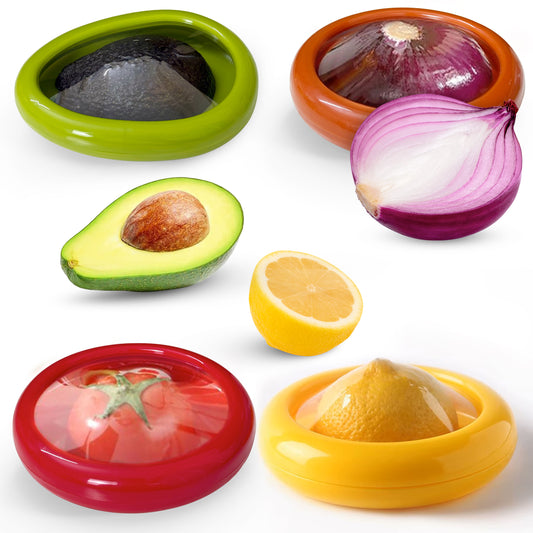
5 Ways Silicone Storage Boxes Preserve Your Fresh Produce Longer
Fresh produce spoils faster than expected. It looks fresh at first, but quickly turns soft, wilted, and less tasty even when stored in the fridge. This leads to wasted food and frequent trips to replace what has gone bad.
The problem is poor storage conditions inside regular containers. Air enters too easily, or moisture builds up too much. Both speed up spoilage and reduce freshness.
A high-quality, fresh food storage box made of silicone solves this. The seal keeps air out and helps maintain a more stable environment.
There are about 5 ways silicone storage boxes preserve your fresh produce longer. They manage airflow, maintain steady moisture, and slow spoilage. Fruits and vegetables often stay fresh for weeks. Less food goes bad, and more of what you buy gets used instead of wasted.
The Science of Food Preservation: Why Storage Material Matters
Before looking at solutions, it helps to understand the problem. Food does not go bad by chance. It reacts to its environment in clear ways. Fruits and vegetables keep “breathing” after harvest. They take in oxygen and release carbon dioxide and water vapor.
If this process moves too fast, the food breaks down. If it slows too much in a sealed space, the food loses freshness. Most storage uses thin plastic bags or hard plastic containers. These often fail. They either let in too much air or trap too much moisture.
Silicone is different as it allows controlled airflow. It helps create a more stable storage environment. This balance keeps carrots crisp and berries fresh for longer.
How Different Materials Compare for Freshness
Different storage materials affect how long food stays fresh. Each one controls air, moisture, and temperature in its own way.
| Feature | Food-Grade Silicone | Standard Plastic | Tempered Glass |
| Seal Integrity | Superior (Flexible) | Moderate (Degrades) | High (But heavy) |
| Breathability | Controlled | None (Zero airflow) | None |
| Chemical Safety | BPA/Phthalate Free | Often contains BPA | Lead-free |
| Temp Range | -40°F to 450°F | Limited | High (But fragile) |
| Durability | Decades | Months/Years | Lifetime (If not dropped) |
1. Airtight Sealing and Oxidation Control
Air is the main cause of food spoilage. Once you cut an apple or bell pepper, oxygen starts reacting with the exposed surface and speeds up decay. Going for vegetable storage with anti-oxidation capabilities helps slow this down. Silicone is flexible and dense.
When the lid is pressed onto the container, it molds tightly to the rim. This creates a stronger seal than most plastic lids, which often have tiny gaps that let oxygen in.
Even small amounts of air trigger oxidation, which leads to browning and loss of freshness. Blocking this flow keeps the natural enzymes from producing more stable.
How Silicone Prevents Premature Wilting
Wilting happens when food loses internal moisture and structure. It is similar to a balloon slowly losing water and pressure. Silicone gaskets help reduce this effect.
When sealed, excess air is pushed out, and oxygen inside is limited. With less airflow, fruits and vegetables slow their respiration and stay fresh longer. Lettuce, for example, can stay crisp for many days instead of turning soft quickly.
Reducing Exposure to Ambient Air
Air in the fridge carries odors and small contaminants that affect food quality.
- Sliced Apples: These turn brown in minutes without a seal.
- Avocados: Silicone prevents graying caused by exposure to oxygen.
- Stone Fruits: Peaches and plums stay firm because their skin doesn't dry out.
- Cut Onions: The seal keeps the pungent smell inside the box, not in your milk.
2. Superior Moisture Regulation and Humidity Balance
Water plays a delicate role in food storage. Too little moisture causes food to dry out. Too much moisture leads to mold growth. Plastic containers often trap excess water.
You see condensation on the lid and droplets falling back onto the food. When fruit sits in that pooled moisture, mold develops quickly. BPA-free silicone containers manage this better.
It naturally resists water buildup and helps keep humidity more stable. Food stays hydrated without becoming overly wet.
The Role of Non-Porous Surfaces in Mold Prevention
Mold grows where it can attach and feed. Scratched plastic and porous materials give it those spaces. Food-grade silicone is smooth and non-porous at a microscopic level. Mold has fewer places to grip and spread.
Even if one piece of fruit starts to spoil, it is less likely to contaminate the rest of the container. This helps keep stored food cleaner for longer.
Hydrophobic Properties of Food-Grade Silicone
Silicone does not hold onto water easily. It resists moisture buildup and helps maintain a balanced environment.
Pro Tip: The Humidity Hack
For wet greens like kale, place a dry paper towel at the bottom of the container. Silicone maintains humidity while the towel absorbs extra moisture. This prevents soggy leaves and can double the freshness time of greens.
3. Ethylene Gas Management in Enclosed Environments
Some fruits are "gas emitters." They produce a natural hormone called ethylene. This gas tells everything around it to ripen immediately. If you put an apple next to a bunch of spinach in a standard plastic bag, the apple will "kill" the spinach with ethylene gas.
The spinach reacts by turning yellow and soft. Silicone boxes act as an effective barrier. The thickness of the silicone walls prevents the gas from leaking out and affecting other produce in the crisper drawer. This allows you to organize your fridge into "safe zones."
Separating Climacteric vs. Non-Climacteric Fruits
Understanding which foods produce gas is the key to using your boxes correctly. You want to group "friends" together and keep "enemies" apart.
| High Ethylene Producers (The Gas Emitters) | Ethylene Sensitive (The Victims) |
| Bananas (Very High) | Leafy Greens |
| Apples | Broccoli |
| Avocados | Carrots |
| Tomatoes | Cucumbers |
| Peaches | Peppers |
By sealing your apples in a silicone box, you stop them from ruining your cucumbers. It is a simple physical shield that saves you dozens of dollars a month.
4. Temperature Resilience and Thermal Stability
Your refrigerator is not a perfectly even cold space. It has warm zones and colder pockets. Every time the door opens, warm air rushes in and touches your food. These temperature swings act like sudden shocks. They stress delicate produce such as berries and herbs. Cell structure weakens, and freshness drops faster.
Silicone helps smooth out these changes. It holds temperature more steadily and slows how quickly heat moves through it. When the fridge door opens, the inside of a silicone container does not shift as quickly as the outside air.
This steady state matters. When the temperature keeps jumping, food breaks down faster at a chemical level. Silicone keeps conditions calm and stable. For fresh produce, a steady environment is far better than constant change.
Transitioning from Freezer to Fridge Without Stress Fractures
One of the best ways to preserve food is to blanch it and freeze it. But many containers crack when they go from -10 degrees to 40 degrees. Silicone is famous for its elasticity.
It can handle a range of nearly 500 degrees Fahrenheit. You can take a silicone box of frozen peas and put it directly into a warm water bath to thaw them. There is no risk of the container shattering.
This flexibility allows you to use the same box for every stage of the preservation cycle. You spend less time moving food between bowls and more time keeping it fresh.
Impact of Temperature Consistency on Cellular Structure
When food stays at a steady temperature, the water inside the cells stays still.
- Reduced Ice Crystals: In the freezer, silicone prevents "freezer burn" by blocking air.
- Slower Respiration: Steady cold slows the metabolism of the plant.
- Flavor Retention: Aromatics like garlic and ginger stay potent when they aren't heat-cycled.
5. Antimicrobial Properties and Chemical Leaching Prevention
Food safety is not only about the food but also about the container. Some plastic containers contain chemicals that can slowly react with food over time. When acidic foods like tomatoes or citrus are stored in plastic, the material can break down.
Small amounts of unwanted substances may move into the food. This can affect taste and freshness. Silicone does not react with food. It stays stable even with acidic ingredients. This helps keep food in a more natural, safer condition without changing its flavor.
Bacteria can also grow in small scratches on plastic containers. These scratches are hard to clean fully. Silicone has a smoother surface that is easier to wash and keep clean. It reduces places where bacteria can hide.
Silicone does not add smell or taste to food. Fruits and vegetables keep their natural flavor, texture, and quality for longer.
Top 10 Silicone Storage Boxes Preserve Your Fresh Produce Longer
Top 10 silicone storage boxes help preserve fresh produce longer by creating airtight, reusable storage. These flexible containers reduce moisture loss, prevent odors, and keep fruits and vegetables organized. Durable, freezer-safe, and easy to clean, they offer an eco-friendly alternative to disposable plastic bags.
| Brand name | Model number / ASIN | Best for | Specifications |
|---|---|---|---|
| halteoly | B0CHPK5XYZ | Storing assorted half-cut produce |
|
| LPZXH | B0F74NL2YS | Preserving cut fruits and vegetables |
|
| MAJESTY WORLD | B0DGKZSJZ6 | Reducing food waste from unfinished produce |
|
| Nuogo | B0DFQ5XF7X | Storing larger fruit and vegetable halves |
|
| Lovfult | B0DTDX4THB | Storing produce of different shapes |
|
| Deke Home | B07GJTZZF1 | Everyday produce storage and meal preparation |
|
| Sustainable Containables | B0BN78WT7R | Plastic-free produce and leftover storage |
|
| ECOBERI | B09FC82JR7 | Small portions of berries and cut vegetables |
|
| Lunememo | B0CKVNDGDK | Families needing multiple produce-storage sizes |
|
| CARTINTS | B07GGGWGB2 | Storing salads, fruit portions and vegetables |
|
Silicone vs. Plastic: Reasons Silicone Outperforms Traditional Containers
Food containers do not perform the same. Glass, plastic, and silicone each have different strengths, but their real value shows in daily use. The differences in safety, durability, and convenience become clear when compared closely.
Glass is stable and does not react with food. However, it is heavy and breaks easily. A small drop can make it unsafe and unusable. Plastic is light and cheap, but it scratches easily and can hold stains and odors over time. These changes affect both hygiene and quality. Silicone is more flexible and durable. It does not break like glass or wear out as quickly as plastic.
Plastic can weaken after repeated washing. Small cracks may form, reducing its sealing ability. Silicone stays strong and flexible for many years. Good-quality silicone containers can last 10 to 20 years, which reduces waste and replacement costs.
Glass is also harder to carry because of its weight. Silicone is much lighter and easier to handle. Some silicone containers can fold when empty, which saves storage space. It is also safer because it does not break into sharp pieces if dropped.
When choosing silicone containers, quality matters. Platinum-cured silicone is purer and more durable. LFGB certification ensures food safety. Integrated gaskets improve sealing and make cleaning easier. Thicker walls give better strength and stability during use.
Optimizing Your Silicone Boxes for Specific Produce: Step-by-Step Guide
Food containers do not perform the same. When searching for the best silicone box for produce, quality matters. Glass is stable but heavy and fragile. Plastic is light but scratches easily and can hold stains and odors.
Silicone is more flexible and durable. It does not break like glass or wear out as quickly as plastic. Good-quality silicone containers can last 10 to 20 years, which reduces waste and replacement costs.
Leafy Greens and Delicate Herbs
Greens are mostly water. They hate being dry, but they die if they are wet.
- The Method: Wash, spin-dry, and place in a large silicone storage box for leafy vegetables lined with a dry cloth.
- Why: The silicone prevents the leaves from drying out in the fridge's dehumidified air.
- Result: Spinach stays fresh for 10-14 days.
Berries and High-Moisture Fruits
Berries are the "heartbreak" fruit. They mold if you look at them wrong.
- The Method: Do not wash until you are ready to eat. Place them in a silicone fruit storage container with the lid slightly ajar for the first hour, then seal tightly.
- Why: This allows the "field heat" to escape before the airtight seal takes over.
- Result: Raspberries can last 7 days instead of 2.
Crucial Root Vegetables
Carrots, radishes, and beets love humidity. Here’s how to store them:
- The Method: Remove the green tops (they steal moisture). Place the roots in a silicone box with a small splash of water at the bottom.
- Why: It creates a "root cellar" environment.
- Result: Carrots stay snap-ready for over a month.
Frequently Asked Questions (FAQs)
You might have a few more questions before you swap your old plastic. Here are the top answers to help you master your kitchen storage and save money right now.
Are they really better than glass?
Yes, they are. Glass is heavy and can break into dangerous shards. Silicone is light and very durable. It will not shatter if you drop it. Plus, silicone creates a better seal. It keeps your food fresh for much longer without any extra bulky weight.
How do I get rid of onion smells?
Silicone can hold smells, but you can fix it. Simply bake your clean container in the oven at 350 degrees for twenty minutes. The heat opens the pores and lets the smell out. Your box will smell like new. It is a very easy fix.
Can these boxes go in the dishwasher?
Yes, they love the dishwasher. Put them on the top or bottom rack. High heat will not hurt them. In fact, heat helps keep them sterile. Unlike plastic, they will not warp or release bad chemicals. They stay strong and clear for many long years.
Do they save money on groceries?
Absolutely. Most people throw away a lot of food every week. That is wasted money. By using silicone, you keep your produce fresh for two times longer. You will stop tossing expensive berries and greens. The boxes pay for themselves in just a few months.
Is all silicone the same quality?
No, it is not. You should look for platinum-cured silicone. It is the purest type available. Cheap silicone may have fillers. You can check by pinching it. If you see white, it has fillers. Stick to high-quality brands to keep your food safe and fresh.
Can I use them in the freezer?
Yes, they are perfect for freezing. They do not get brittle like plastic does. You can store soup or vegetables for months. The thick walls protect your food from freezer burn. When you are ready, you can move them straight to the warm microwave safely.
Take Control of Your Groceries with Silicone Storage Boxes
At some point, grocery shopping stops being the problem. It’s what happens after that quietly decides how much gets saved or wasted.
Silicone storage boxes bring that control back in a simple way. Food stays fresher, lasts longer, and doesn’t disappear into the back of the fridge unnoticed. Less spoilage means fewer last-minute store runs and fewer regrets when throwing things away.
Take control of your groceries with silicone storage boxes, turning storage into something reliable rather than random. Vegetables keep their crunch, fruits hold their flavor, and everything has a proper place.
It is a small switch, but it changes the whole rhythm of the kitchen. Less waste, more use, and a fridge that finally works the way it should.